Soriano Department
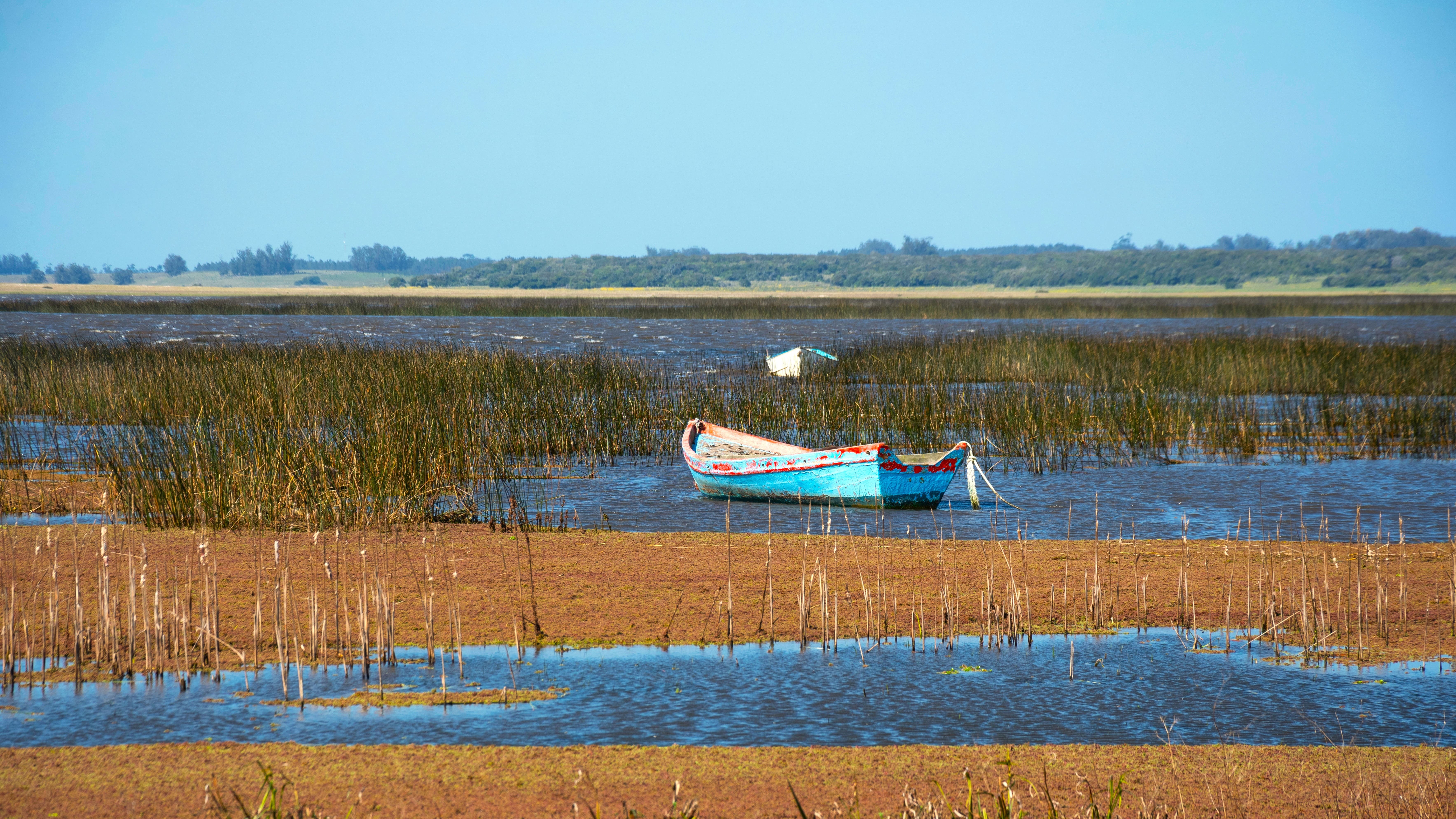
Soriano, in western Uruguay, brings together colonial history, rolling coxilha landscapes, and gaucho culture. Its capital Mercedes borders the río Negro, while Santo Domingo de Soriano preserves one of the country's oldest churches.
Soriano is a department in western Uruguay, bordered by the río Uruguay and the río Negro. Its capital, Mercedes, concentrates most of the region's cultural and economic life. The region stands out for its coxilha landscapes (gentle rolling hills), traditional estancias, and colonial history tied to the country's earliest Spanish foundations.
Practical Information at a Glance
- Access: Mercedes is accessible from Montevideo via Route 2, one of the main interior highways.
- Recommended duration: two to three days to explore Mercedes and its rural surroundings.
- Clothing: no particular constraints; bring suitable footwear for estancia visits.
What to See
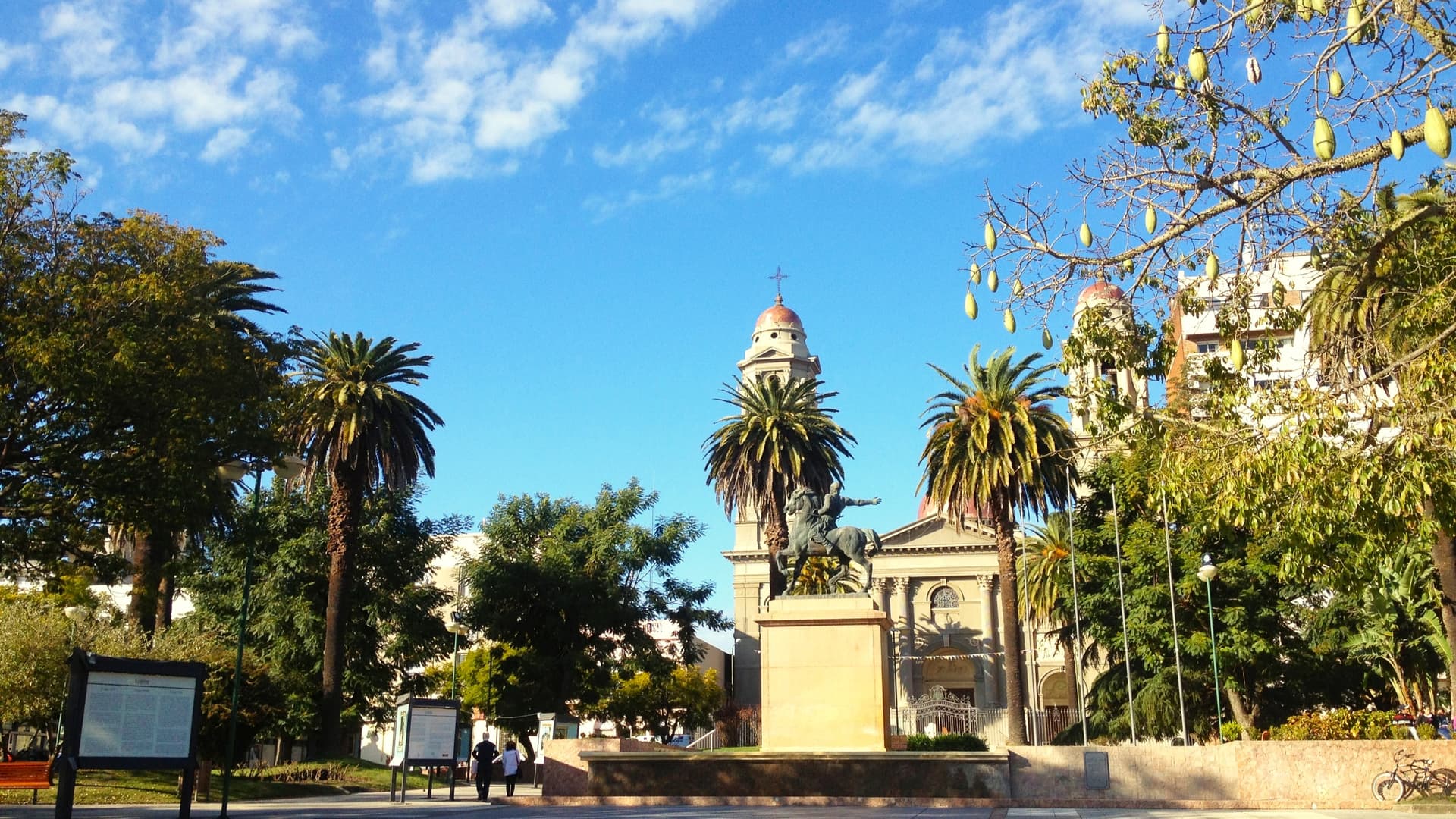
Mercedes stretches along the río Negro and offers a lively riverfront, especially during the summer river carnival. The city center preserves modest colonial architecture around its main plaza. The surrounding countryside is dotted with estancias where cattle ranching remains the dominant activity, reflecting traditional Uruguayan economics.
History and Context
Soriano is home to Santo Domingo de Soriano, considered the first city founded in Uruguay in the 17th century. This missionary settlement marks the beginning of permanent Spanish presence in the country. The department takes its name from this historic locality, today a small village on the río Uruguay.
Highlights of Your Visit
Santo Domingo de Soriano
This quiet village is one of Uruguay's oldest historic sites. Its colonial church, among the country's oldest, is well worth a visit to understand the origins of colonization in the Río de la Plata region.
Mercedes Riverfront
The rambla of Mercedes, along the río Negro, is the heart of city life. In summer, it buzzes with festivities; the rest of the year, it offers a peaceful stroll with views of the river and its wooded islands.
Estancias of the Countryside
Several estancias in the region welcome visitors for rural stays: observing gaucho work, horseback riding, local cuisine based on grilled meat. An immersion into Uruguayan pastoral culture.
Photography Tips
The golden light of evening on the río Negro from Mercedes' rambla offers beautiful reflections. At Santo Domingo de Soriano, the colonial church photographs best in the morning, before the sun climbs too high. In the countryside, herds of cattle at dawn capture typical Uruguayan landscape imagery.
Location and Access
Soriano is located in western Uruguay, approximately 290 km from Montevideo via Route 2. Mercedes is the main entry point. Regular bus connections link the capital to Mercedes. The department is also accessible from Colonia del Sacramento via Route 21. Accessibility for people with reduced mobility in rural and historic sites remains limited.
Nearby Attractions
- Colonia del Sacramento — colonial town listed as a UNESCO World Heritage site, east of the department.
- Fray Bentos — neighboring town in Río Negro department, known for its refrigeration plant inscribed in the World Heritage list.
- Paysandú — major city in northwestern Uruguay, on the río Uruguay, with a rich architectural heritage.
Frequently asked questions
Spring (October-November) and autumn (March-April) offer pleasant temperatures for exploring the countryside and riverfront. Summer (January-February) is lively thanks to Mercedes' river carnival.
Bus companies serve Mercedes from Montevideo's terminal via Route 2. The journey takes about three hours. By car, the same route is direct and well-maintained.
Yes, several estancias in Soriano offer stays or day visits. It is advisable to book in advance, especially during peak tourist season.
The village is accessible by car from Mercedes. Local roads are passable, but it is best to check conditions before leaving, especially after heavy rain.
No known restrictions on outdoor photography. Inside, respectful behavior is appropriate, as in any active place of worship.