Practical information Uruguay
Preparing a trip to Uruguay requires fewer formalities than most South American countries, but a few points deserve advance planning. Our team based in Montevideo, led by Pierre, gathers here the information we verify each season with our local service providers and partners. Regarding formalities, French nationals enter without a visa for a 90-day tourist stay, a simple stamp at Carrasco airport. No vaccine is required, the country has an excellent health standard, tap water is drinkable in Montevideo and major cities. Budget-wise, expect 90 to 140 euros per day per person on average, excluding international flights. The currency is the Uruguayan peso, but the dollar circulates widely in tourism. Visa and Mastercard are accepted everywhere, except in isolated villages like Cabo Polonio where you should bring cash. For transport, forget domestic flights: short distances are covered by very comfortable long-distance buses (COT and Cynsa companies) or car rental, essential for estancias and the coast. The temperate climate makes the country accessible year-round, with peak traffic and prices between December and February. As for etiquette, mate is shared, punctuality is relative, and asado is enjoyed slowly. Pierre and our team respond by email within 24 hours to refine each detail.
Plan your trip by theme
Explore our practical guides organized by category to quickly find the information you need.

Before You Go
No visa required for French citizens, valid passport for 6 months, travel insurance recommended, and formalities to arrange before departure.
Budget
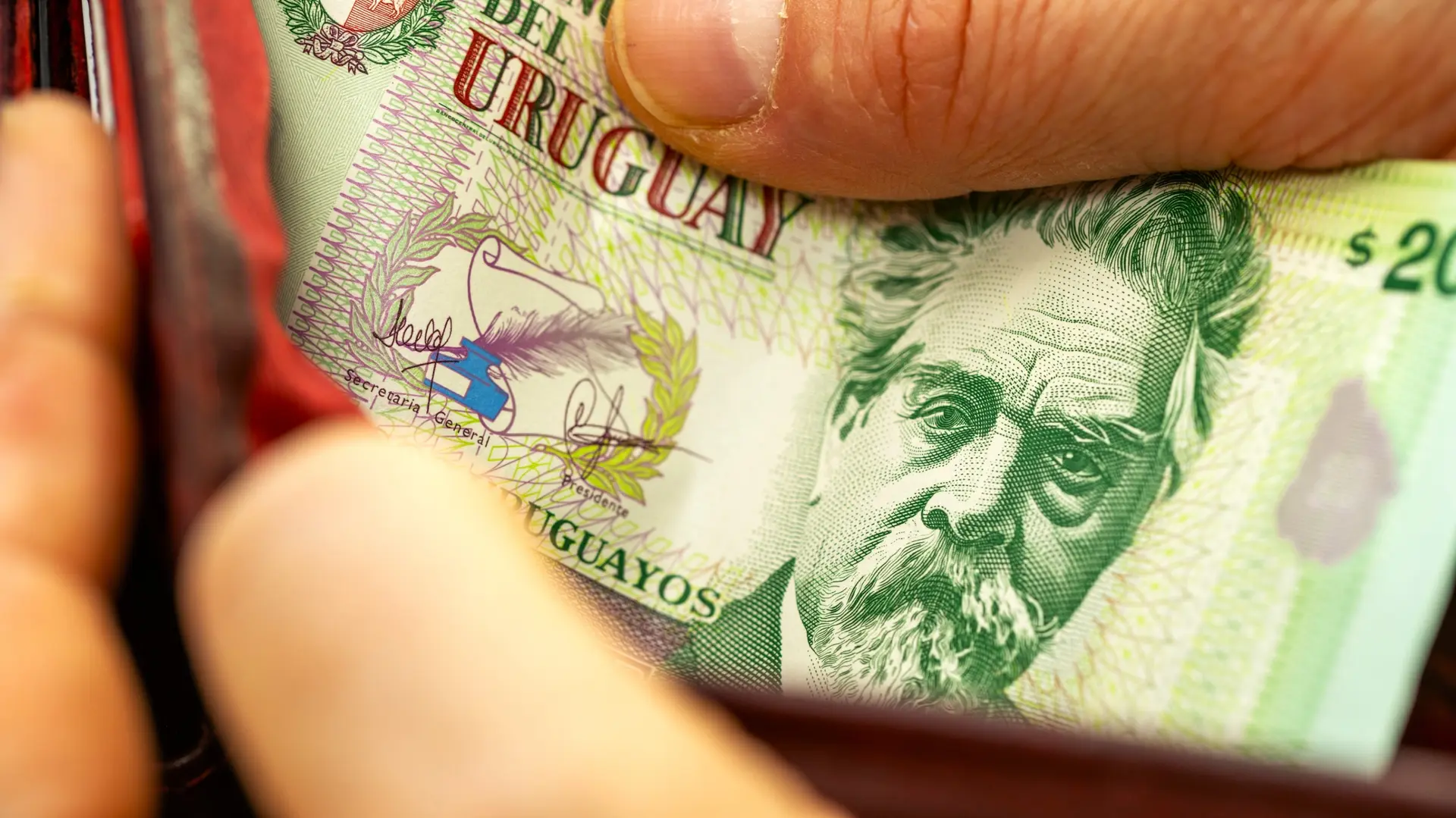
Uruguayan peso, dollar accepted in tourism, budget 90 to 140 euros per day, credit cards widely accepted.
Climate Season
Temperate climate, hot summer from December to March, mild winter in July-August, ideal season between October and April.
Transports
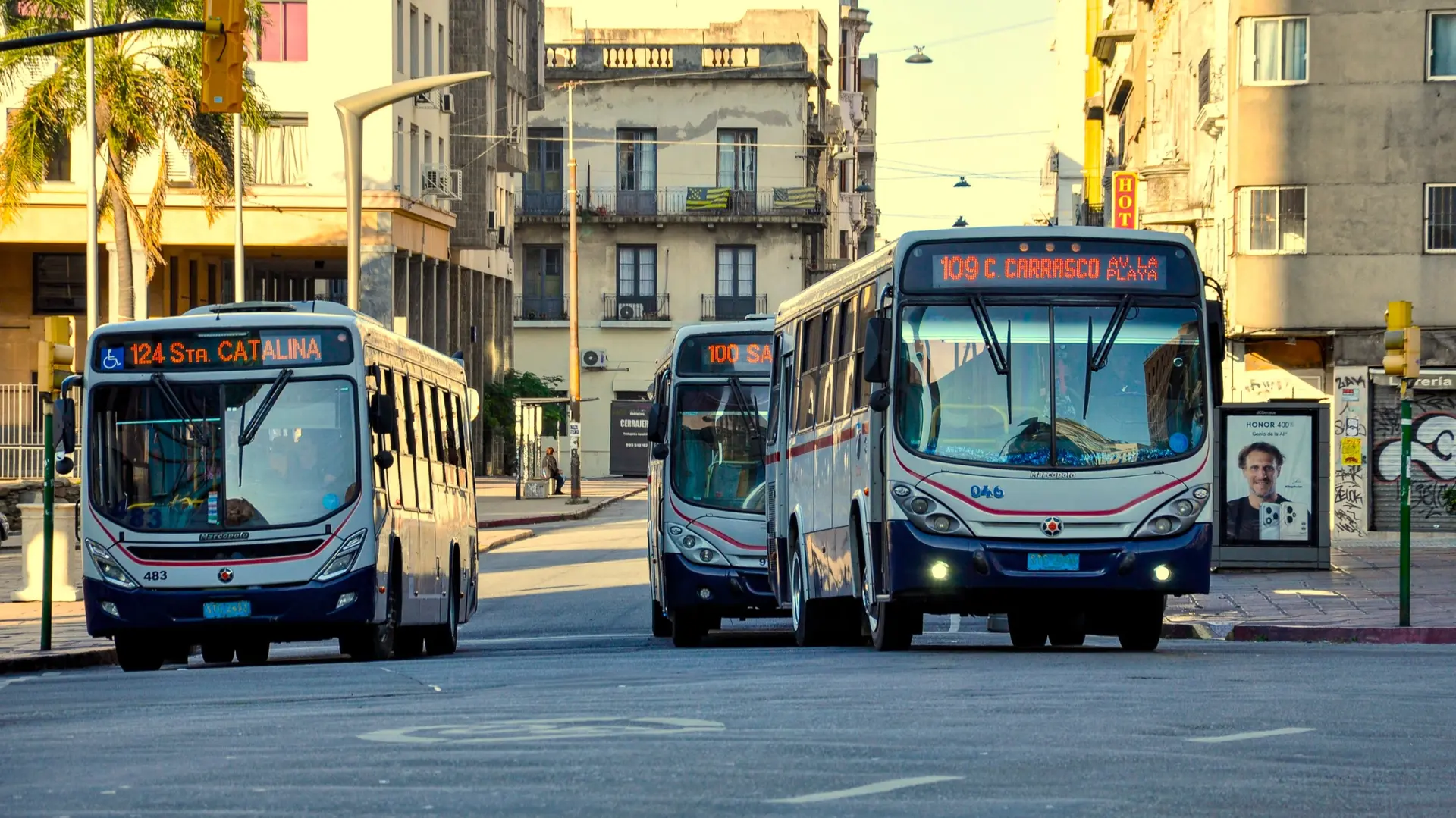
Comfortable long-distance buses, car rental recommended, no domestic flights needed, short distances.
1 article
Culture
Shared mate in a circle, Sunday asado, flexible punctuality, quick informality and laid-back pace of life.
Useful Tips
Generally safe country, drinking water available, 220V electricity, good mobile coverage, practical advice from our team.
1 articleAll practical guides
Search and filter among 2 articles
2 of 2 results
Frequently asked questions
The answers to the most frequently asked questions from our travellers.
French, Belgian, and Swiss nationals do not need a visa for a tourist stay of less than 90 days. A simple stamp is affixed upon arrival at Carrasco International Airport in Montevideo. Your passport must be valid for at least six months after the date of entry. No prior online formalities, no fees. If you wish to extend your stay beyond 90 days, submit an extension request to the Dirección Nacional de Migración in Montevideo for approximately 70 dollars. For travelers combining Uruguay and Argentina or Brazil, land borders can be crossed without difficulty with the same documents.
No vaccines are mandatory to enter Uruguay, including yellow fever. The country benefits from a good-quality healthcare system, with no malaria or significant dengue. We simply recommend staying up to date with routine vaccinations: DTP (diphtheria, tetanus, poliomyelitis), hepatitis A and B, and possibly typhoid if you plan extended stays in rural areas. Rabies is not a common risk. Tap water is safe throughout the country, including in smaller towns. A consultation with your doctor about a month before departure is more than sufficient. Remember to purchase travel insurance covering repatriation, as private healthcare can be expensive.
Uruguay is more expensive than its Argentine and Brazilian neighbours, comparable to a trip to Southern Europe. Budget between €90 and €140 per day and per person on average for mid-range travel, excluding international flights. This budget covers accommodation in a 3-star hotel or charming posada (€60 to €90 for a double room), two restaurant meals (€15 to €25 per person), internal transport and visits. At an estancia, plan for €130 to €200 per person in full board with activities. An asado at a classic parrilla costs around €20, a coffee on a terrace €3, a litre of petrol €1.80. Prices rise by 30 to 50% between December and February on the coast.
Uruguay can be visited year-round thanks to its temperate climate, but the seasons significantly influence your experience. The austral summer, from December to March, offers temperatures of 25 to 32°C, ideal for the Atlantic coast and beaches, but it's also peak season with Argentine crowds and higher rates in Punta del Este. Spring (October-November) and autumn (March-April) are our preferred seasons: mild temperatures of 18 to 24°C, fewer visitors, and green landscapes. Winter (June-August) drops to 8-15°C, with grey days but heated and welcoming estancias, ideal for discovering Montevideo and the gaucho countryside without the crowds. Whales can be observed from July to October.
Since the country is compact (700 km from south to north), no domestic flights are necessary. Two options dominate. Long-distance buses are very comfortable and serve all cities via COT, Cynsa and Turil companies. Montevideo-Punta del Este takes 2 hours, Montevideo-Colonia 2h30, Montevideo-Salto 6 hours. Reasonable fares, tickets available at Tres Cruces terminal or online. Car rental remains our recommendation for trips including estancias, Rocha lagoons or wild coastline: well-maintained paved roads, clear signage, right-hand traffic. Budget 50 to 70 euros per day. Taxis and Uber work well in Montevideo. The Buquebus ferry connects Colonia to Buenos Aires in 1h15.
Uruguay is among the safest countries in South America, with remarkable political stability and a low rate of violent crime compared to its neighbors. Travelers move about peacefully there, including solo travelers. Standard precautions remain advisable: avoid displaying valuables in certain Montevideo neighborhoods (Ciudad Vieja at night, Cerro), keep an eye on your belongings on city buses, and leave your passport at your hotel. Tourist areas (Colonia, Punta del Este, Atlantic coast, estancias) pose no particular concerns. Tourist police are present in the capital. Our English-speaking team in Montevideo remains available 24/7 during your stay if needed, and we provide local emergency contacts in advance.
Ready to travel to in Uruguay?
Discover our tailor-made itineraries, designed by our local team. Each route adapts to your pace, your preferences and your travel season.
See our toursWe use cookies to improve your experience and measure our site's audience. You can choose what you accept. Learn more.