Complete Uruguay Guide
Squeezed between Argentina and Brazil, Uruguay fits into a pocket at the South American scale, 176,000 km² that you can cross in two days of driving. This is precisely what makes it a comfortable destination: from Montevideo, you reach Colonia del Sacramento in 2.5 hours, Punta del Este in 2 hours, and the pristine beaches of Cabo Polonio in 4 hours.
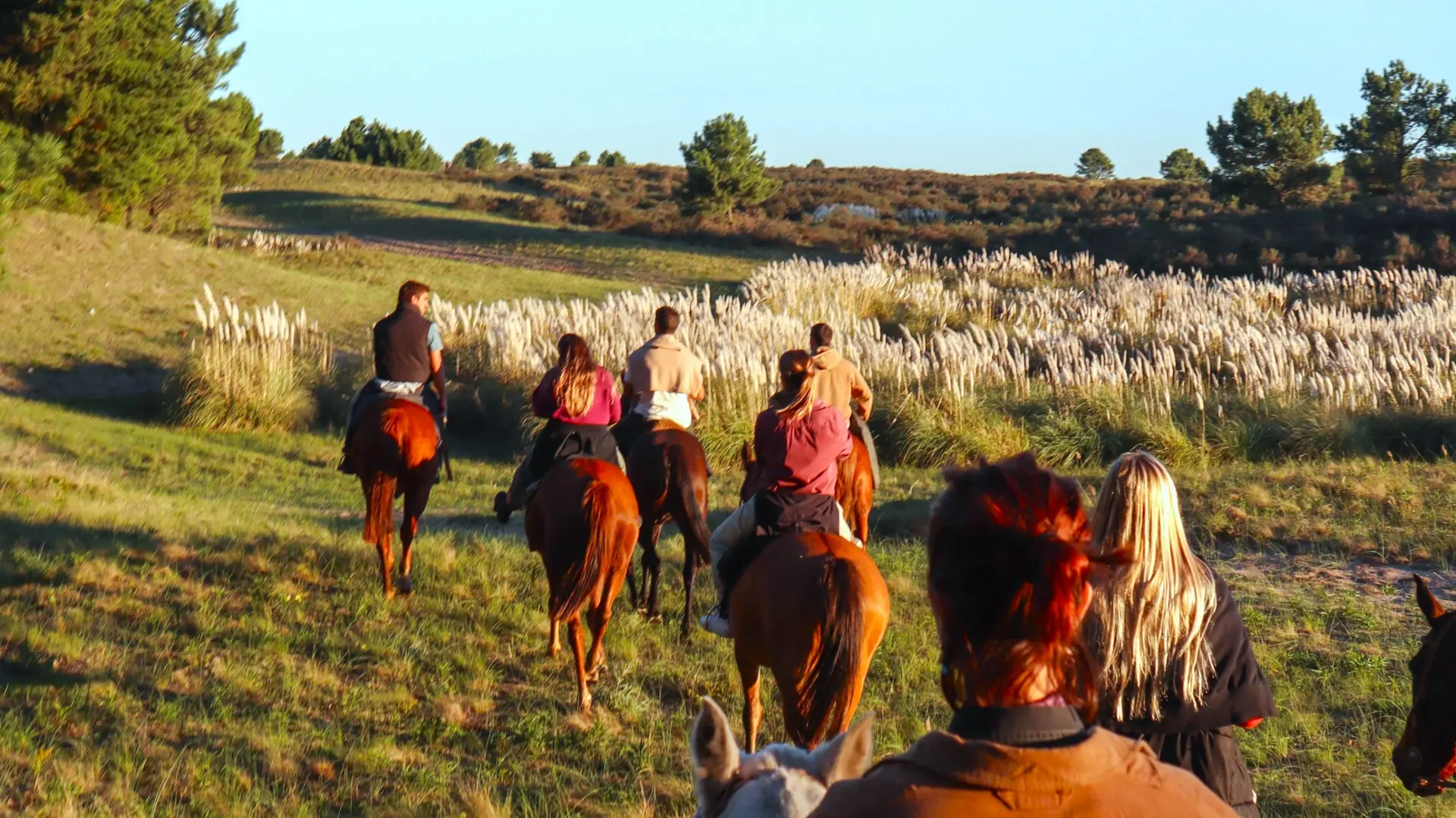
Our team will guide you towards four complementary areas. Montevideo and its 22 km Rambla, where you sip mate overlooking the Rio de la Plata. Colonia del Sacramento, a former Portuguese trading post and UNESCO World Heritage site, perfect for a stopover of one or two days. The Atlantic coast, from La Paloma to Punta del Diablo, a mix of lively beach resorts and fishing villages accessible only by 4x4. And the gaucho hinterland, the Tacuarembó department, with working estancias where you ride horses and share the evening asado.
Two distinctive features give the country its character: a cattle ranching culture (3.5 cows per inhabitant) that infuses the cuisine and way of life, and an Atlantic coastline where right whales and sea lions can be spotted in season. Plan 10 to 14 days to combine Montevideo, Colonia, the coast, and an estancia. For travelers with more time, we can add the thermal springs in the north or the Rocha lagoon.
The regions of Uruguay
Each region has its own personality: climate, landscapes, pace of life and ways of traveling. Our local team helps you choose the combination that suits you.
Montevideo and the South
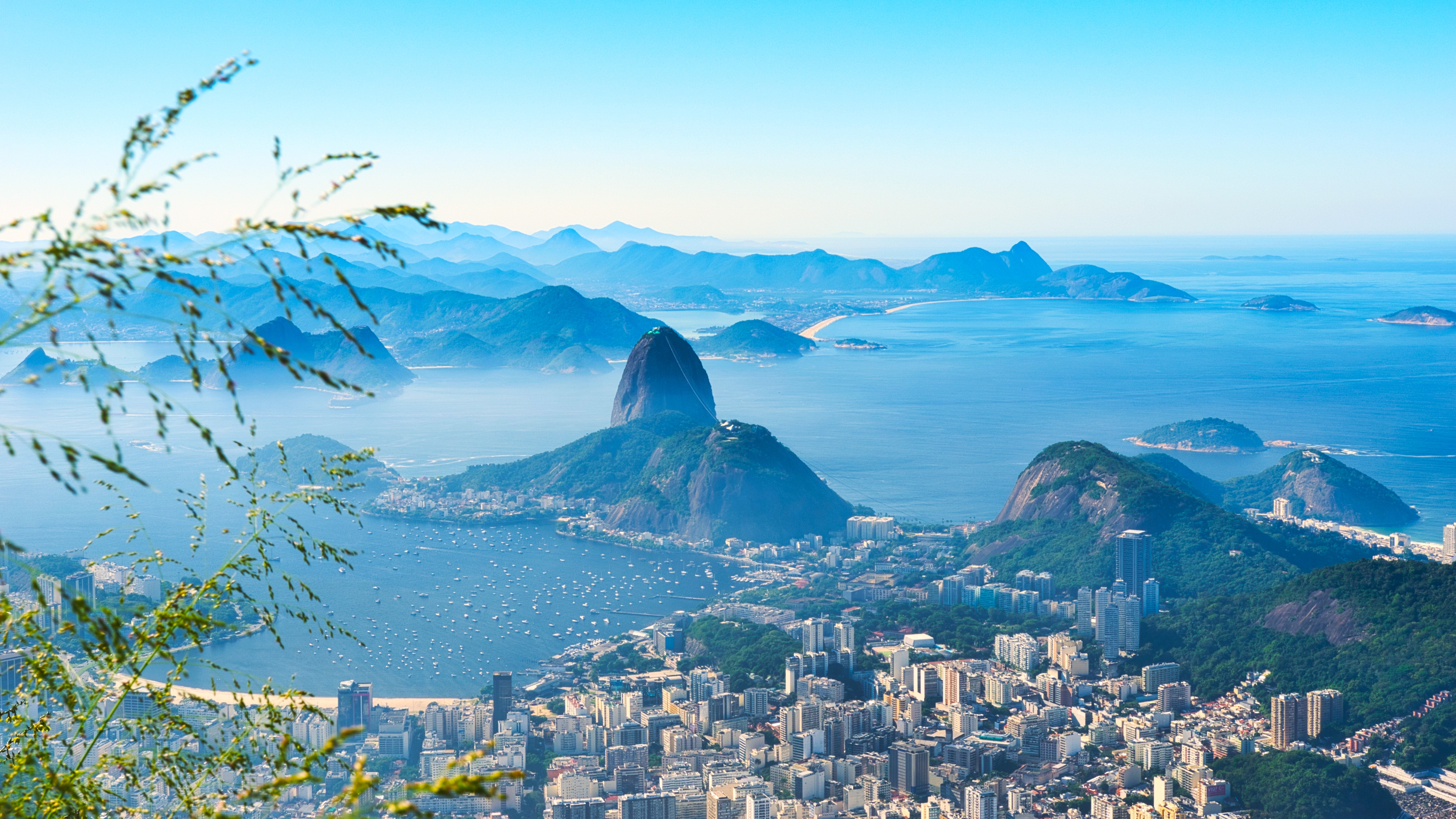
The capital concentrates half the country's population. You can explore the Ciudad Vieja on Sundays for the Feria de Tristán Narvaja, have lunch at Mercado del Puerto where the parrillas line up their grills from 11am. The Rambla runs along the river for 22 km, perfect for understanding the Uruguayan rhythm: walking, mate in hand, gaze toward the water. Temperatures range between 10°C in July and 28°C in January. We recommend spending 2 to 3 days there at the beginning or end of your journey, long enough to experience candombe culture and venture to Piriápolis on the nearby coast.
Colonia and the Rio de la Plata
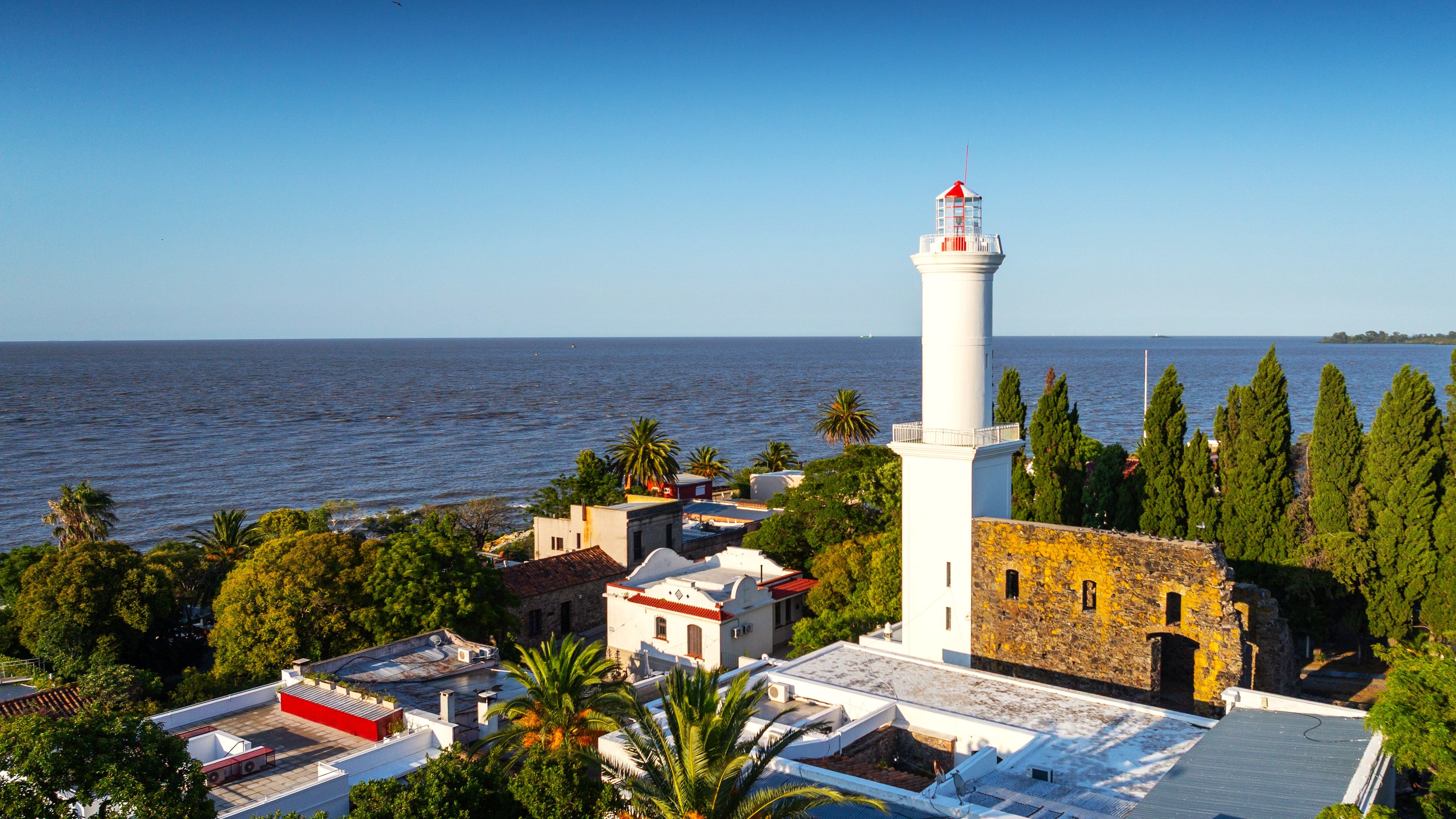
Founded in 1680 by the Portuguese, Colonia del Sacramento lines its cobbled streets and low houses facing Buenos Aires, visible on clear days across the river. The historic quarter can be explored in two hours, but our advice is to spend a night there to enjoy the calm once the Argentine day-trippers have left. Further north, Carmelo and its vineyards produce surprising Tannat wines, to be tasted in family-run bodegas. Temperate climate year-round, ideal from October to April. A stopover that naturally combines with Montevideo and the estancia.
Atlantic Coast
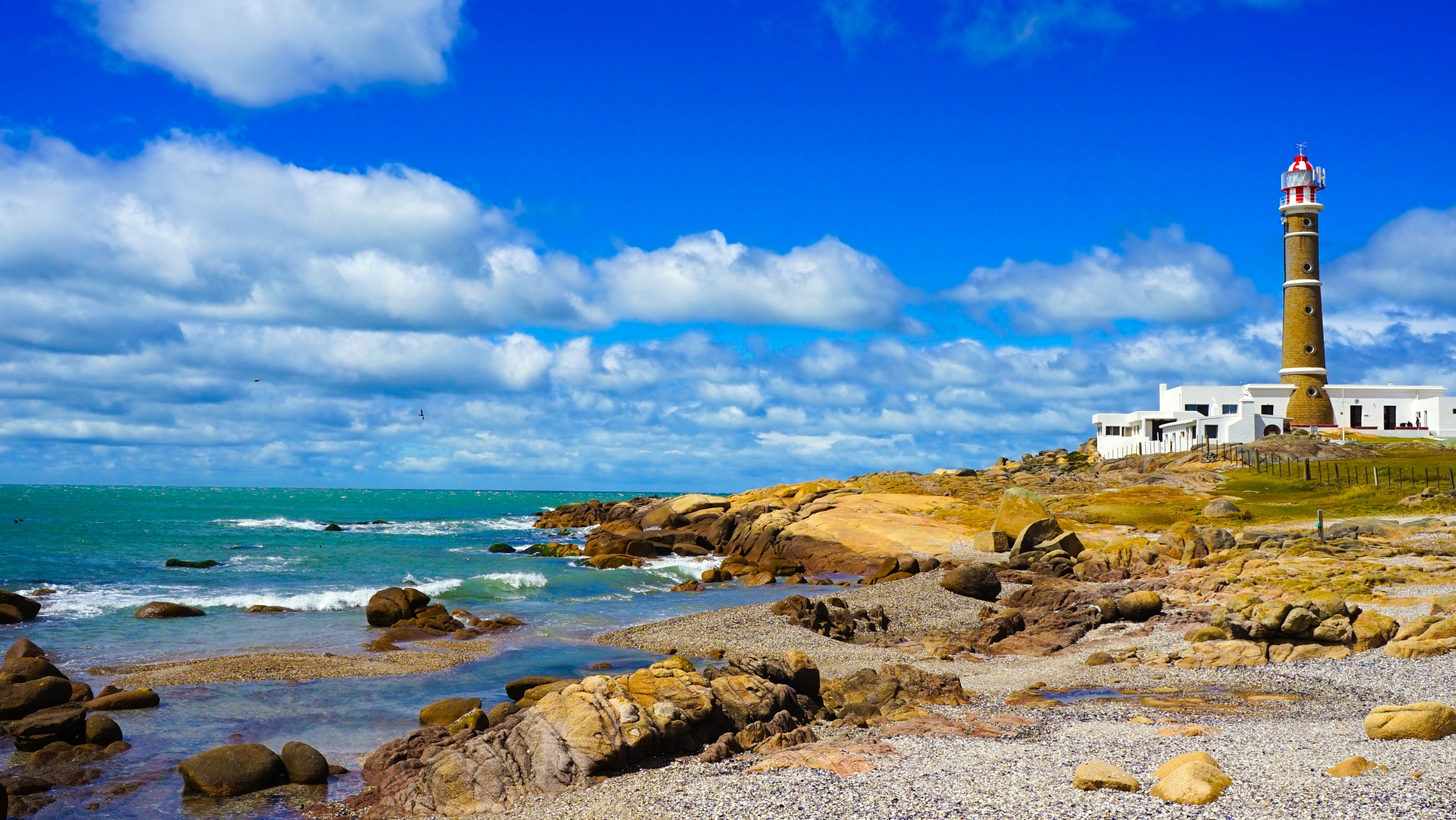
From José Ignacio to Punta del Diablo, the coastline transforms radically every 50 kilometers. Punta del Este attracts Argentina's jet-set in January and February, with prices doubled. Further east, La Paloma and La Pedrera maintain a relaxed surf atmosphere. Cabo Polonio, accessible only by 4x4 through the dunes, operates without city electricity and hosts the country's second-largest sea lion colony. Punta del Diablo, a former fishing village, marks the end before the Brazilian border. Ideal season from December to March, with water temperatures of 20-22°C.
Gaucho Hinterland
North of Route 5, rural Uruguay takes over. The departments of Tacuarembó, Salto and Paysandú concentrate large cattle ranches, some of which welcome travelers on full board. You share the work of the gauchos, ride horses through the cuchillas (low hills), and sleep in century-old farms. Salto also offers natural hot springs at 38°C, frequented year-round. Winter nights drop to 5°C, so bring fleece layers. Our team selects the estancias based on your riding level and the season.
Rocha and northeastern lagoons
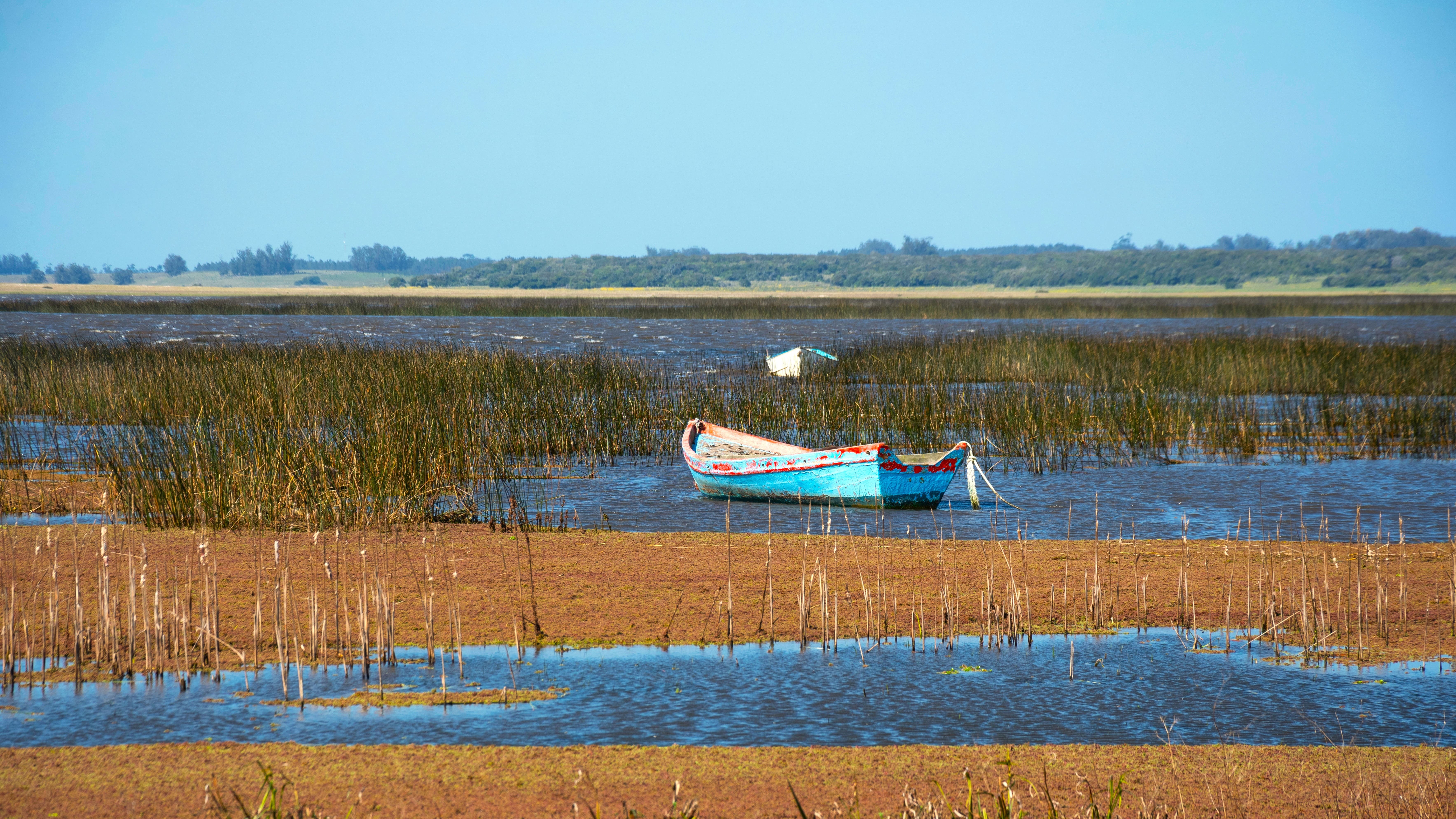
The Rocha department protects rare ecosystems: Laguna de Castillos, Laguna Negra, and Santa Teresa National Park, where subtropical forest meets the ocean. Between July and October, southern right whales migrate along the coast, observable from La Coronilla. Birdwatchers can spot pink flamingos, black-necked swans, and over 220 recorded species. The region remains uncrowded outside the summer season, making it an ideal destination for travelers seeking space and solitude. Accommodation options include rural posadas and cabañas on the lagoon shores.
Explore by theme
Unique experiences tailored to every traveler.
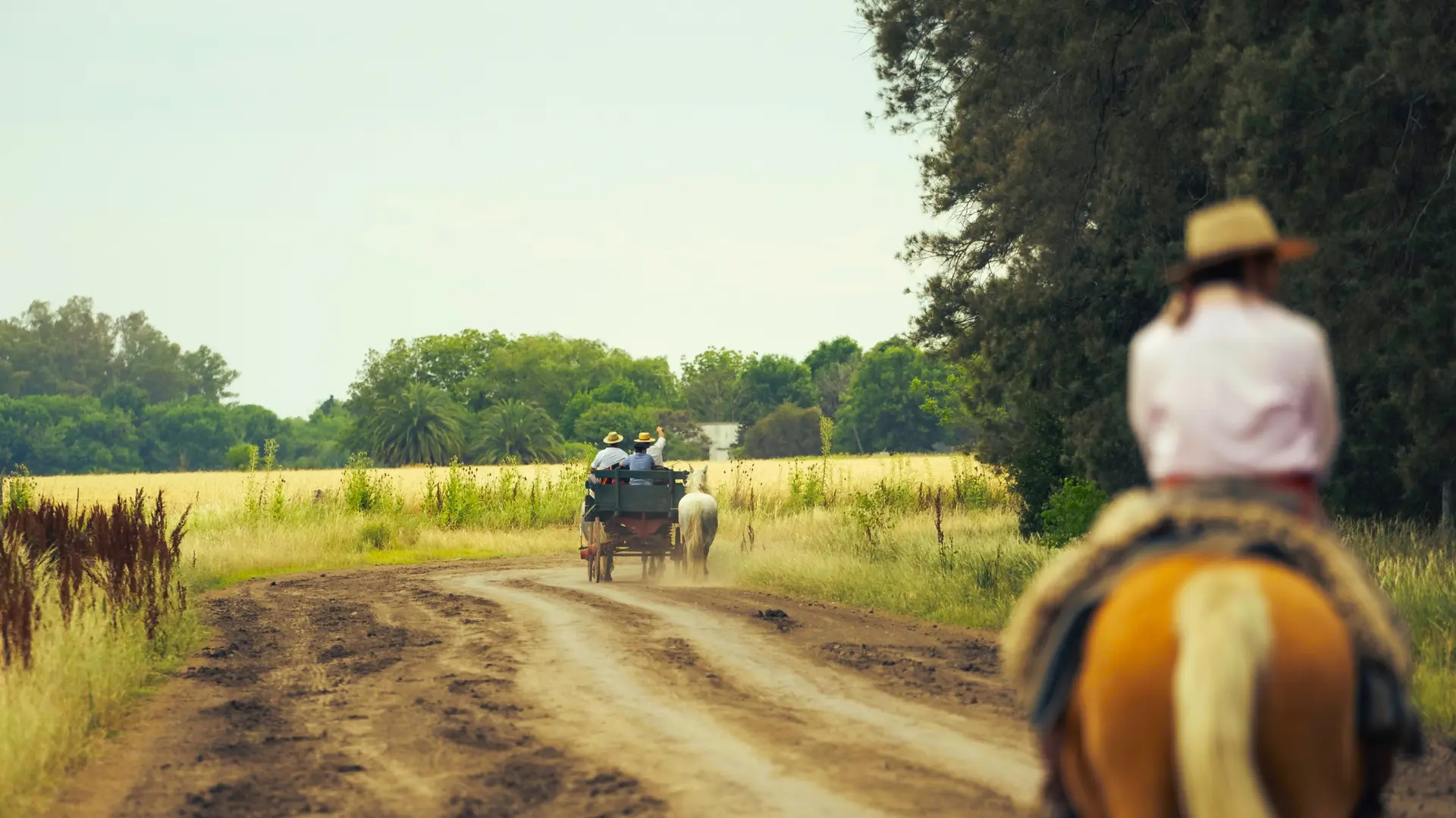
Culture & Heritage
Temples, musées, sites historiques
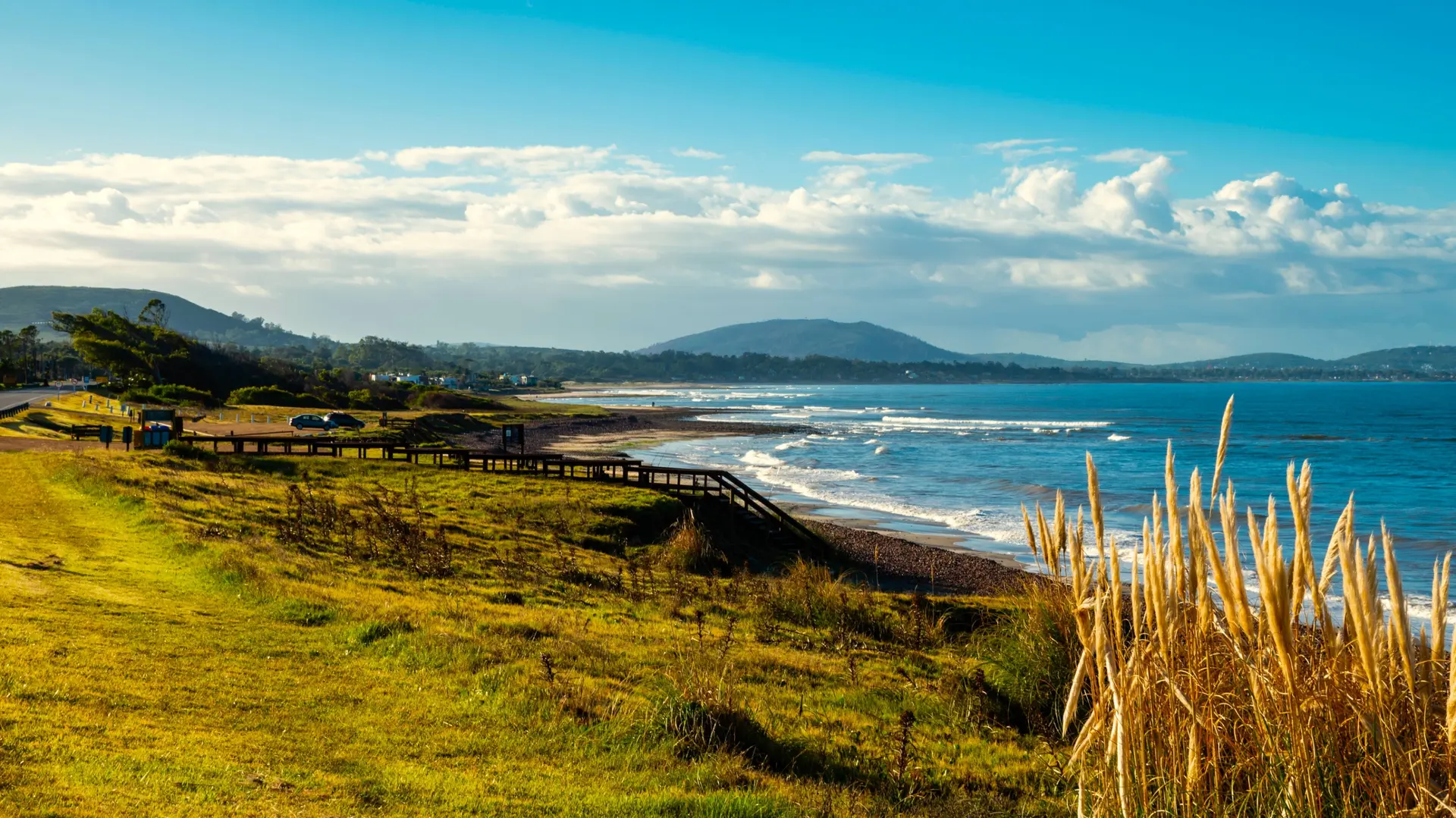
Nature & Landscapes
Parcs nationaux, montagnes, forêts
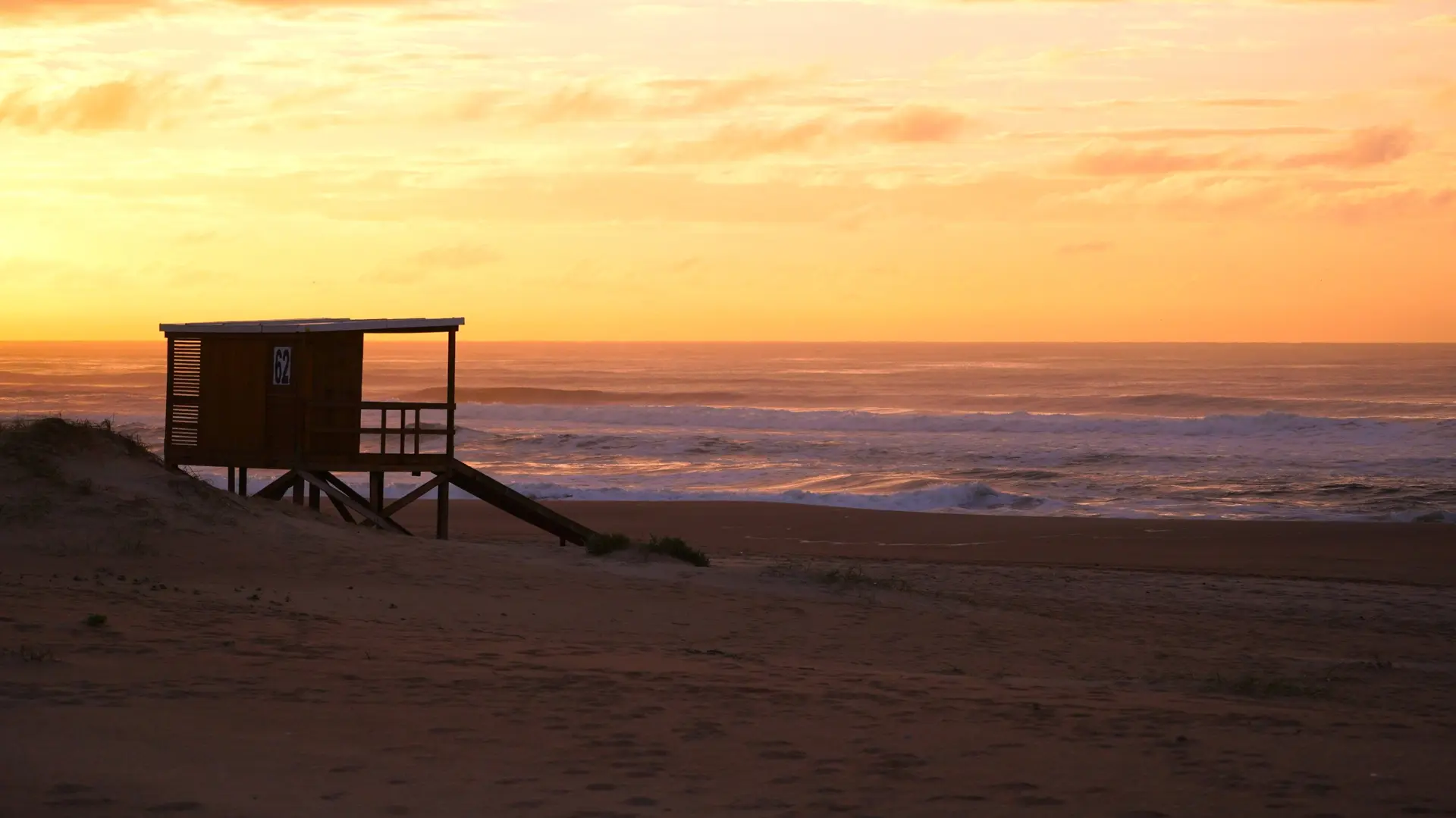
Sea & Beaches
Littoral, îles, sports nautiques
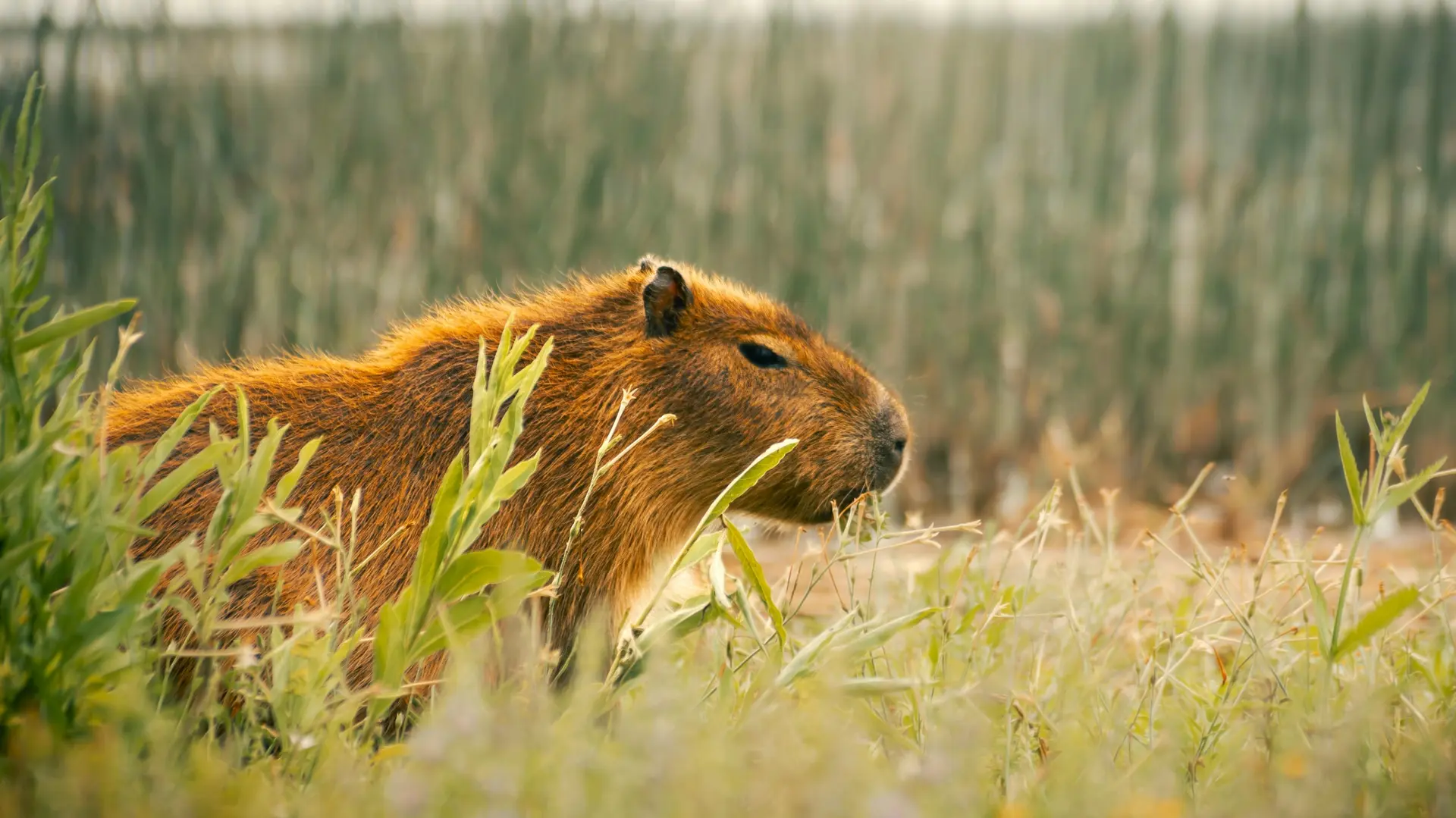
Wildlife & Biodiversity
Observation animale, sanctuaires, réserves
Activities & Adventure
Trek, kayak, escalade, sports outdoor

Gastronomy
Cuisine locale, marchés, cours de cuisine
We use cookies to improve your experience and measure our site's audience. You can choose what you accept. Learn more.