Lavalleja Department
Lavalleja, a department in rural Uruguay centered on the town of Minas, blends granite hills, traditional estancias, and historical sites linked to the country's independence. Authentic Uruguay, far from coastal resort circuits.
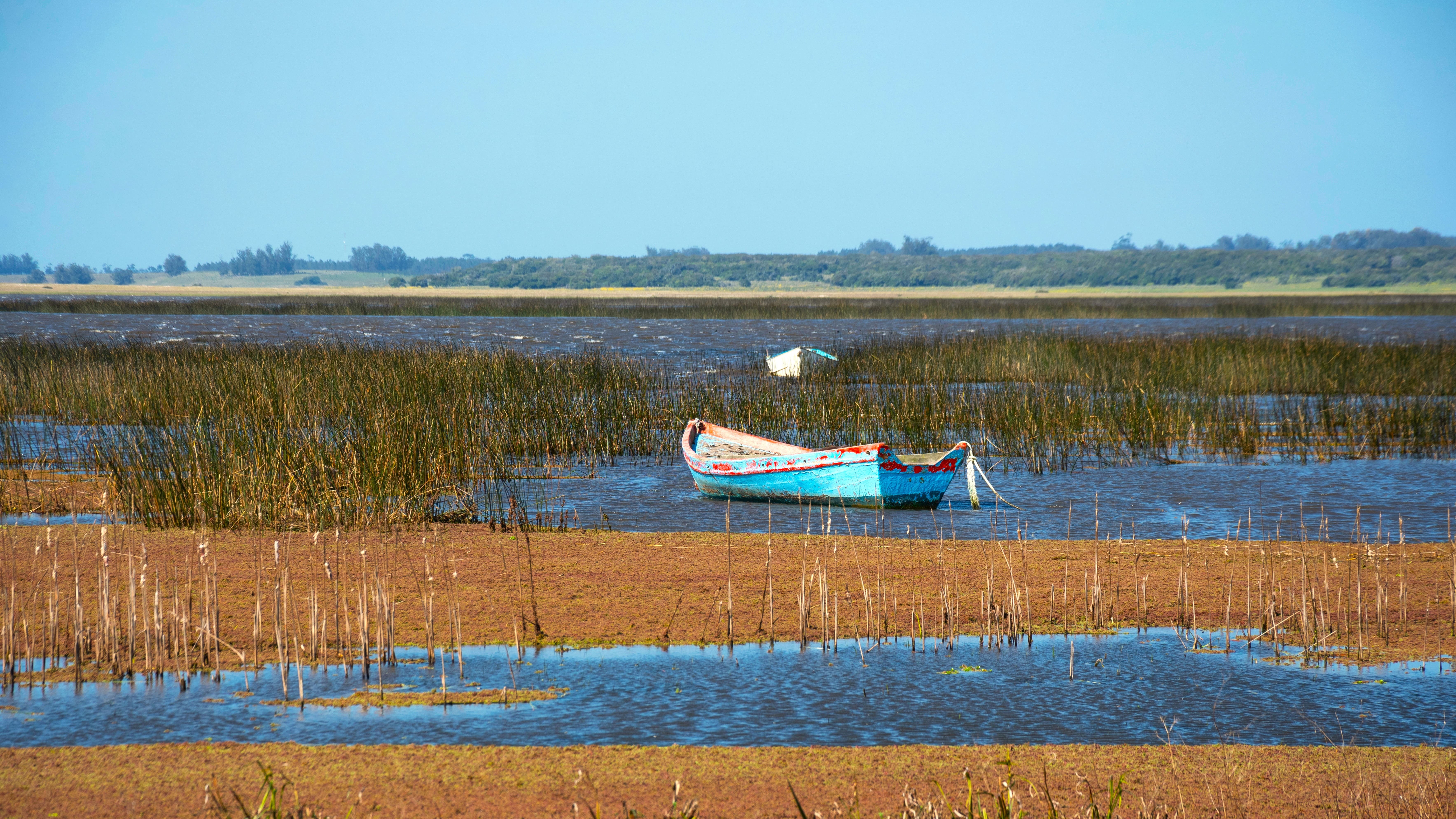
Lavalleja is a department in rural Uruguay, centered on the town of Minas. Granite hills, traditional estancias, and natural springs compose a rural landscape rarely visited by standard tourist circuits. It was here that Juan Antonio Lavalleja launched in 1825 the campaign of the Thirty-Three Orientals, which led to Uruguayan independence. The department offers an immersion into deep Uruguay, far from the Atlantic coast beaches.
Practical information at a glance
- Access: Minas is located approximately 120 km northeast of Montevideo via Route 8.
- Transport: Regular buses from Montevideo's main terminal (Tres Cruces) to Minas.
- Suggested duration: 2 to 3 days to explore the town and surrounding rural areas.
- What to wear: Comfortable clothing for hill hikes; bring a warm layer for winter.
What to see
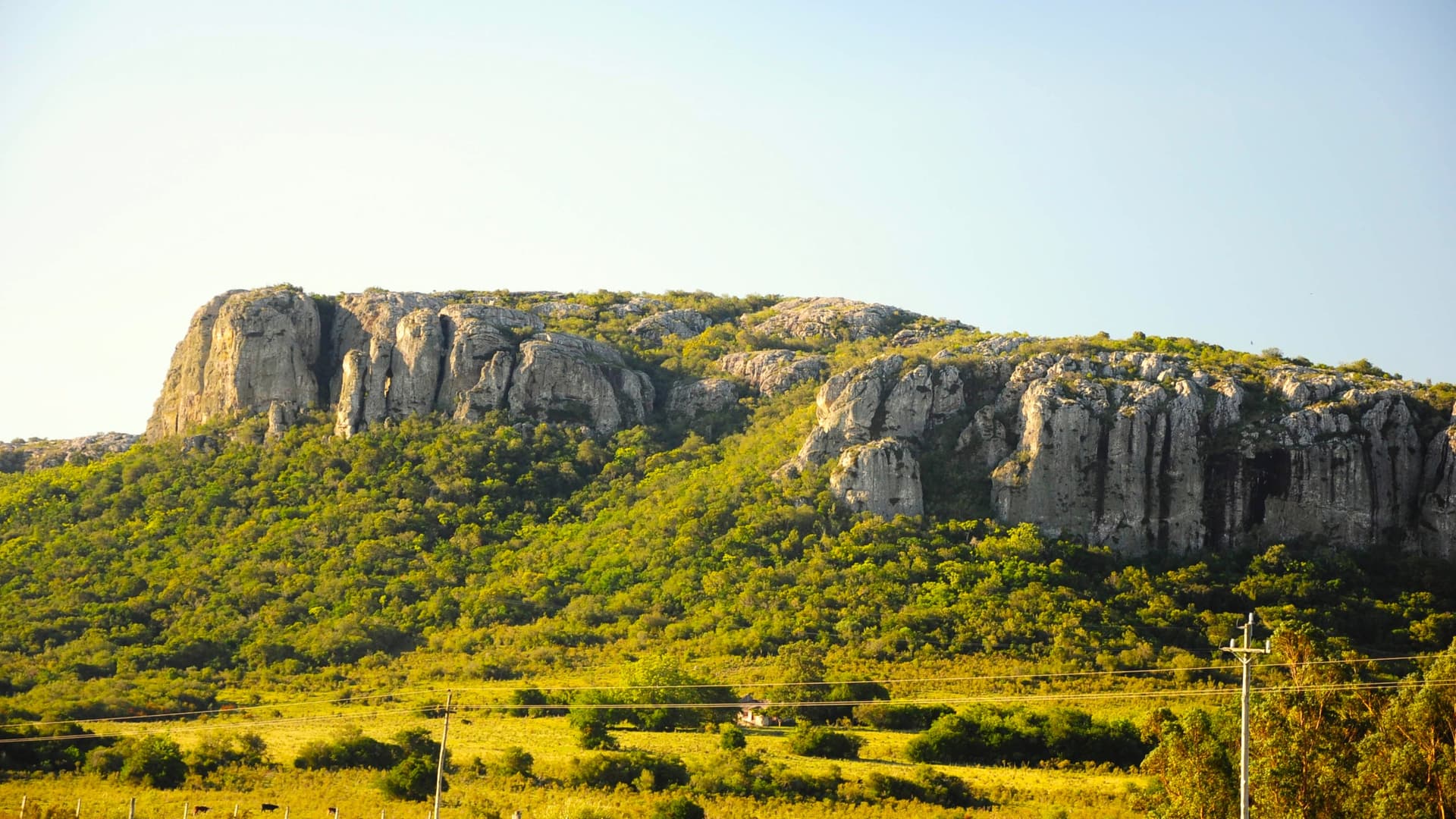
The department stands out for its granite hills (cuchillas), springs and waterfalls, and estancias open to agritourism. Minas, the departmental capital, retains modest colonial architecture around its main plaza. The region also produces mineral water — the Nansen brand is bottled here — and ornamental stone exported internationally.
History and context
On April 19, 1825, Juan Antonio Lavalleja and his Thirty-Three Orientals landed on the banks of the Uruguay River from Argentina to free the country from Brazilian dominion. Lavalleja was native to this region. The department bears his name in tribute to this foundational episode of Uruguayan national history. Minas was founded in 1783 under the name Villa de la Concepción de Minas.
Highlights of your visit
Cerro Arequita
This granite massif on the outskirts of Minas shelters a natural park with marked trails. Visitors observe varied local wildlife and rock formations characteristic of Uruguayan cuchillas. The ascent offers panoramic views of surrounding hills.
Cascada de Agua del Penitente
Located just a few kilometers from Minas, this waterfall is both a Marian pilgrimage site and a natural destination. A statue of the Virgin has been erected there. The site attracts thousands of pilgrims each year during Holy Week.
Minas and its main plaza
The city center preserves the parish church, low houses with colorful facades, and the atmosphere of a quiet provincial town. The local market allows you to taste regional products: cheeses, cured meats, and artisanal dulce de leche.
Estancias of the interior
Several estancias in the department offer immersive stays: horseback riding, wildlife observation, traditional meals based on asado. It is one of the best ways to understand Uruguayan gaucho culture.
Photography tips
The golden light of late afternoon enhances the granite hills and pastures. Cerro Arequita photographs ideally from the park access road, shot from below. At the Penitente waterfall, morning light avoids harsh shadows created by surrounding vegetation.
Location and access
Lavalleja occupies the center-east of Uruguay. Minas, its capital, is connected to Montevideo by Route 8. Regular buses operate from the Tres Cruces terminal. The region is also accessible from Punta del Este via Route 9 then Route 12, approximately 90 km away. The internal road network is largely paved, though a four-wheel-drive vehicle facilitates access to isolated estancias.
Nearby
- Punta del Este — international beach resort, approximately 90 km to the southeast.
- Montevideo — Uruguayan capital, approximately 120 km to the west, with its museums and waterfront.
- Treinta y Tres Department — neighbor to the north, even more rural, with the Río Olimar valley.
- Maldonado Department — to the south, to combine rural interior and Atlantic coast.
Frequently asked questions
Spring (September-November) and autumn (March-May) offer pleasant temperatures for hiking. Uruguayan summer (December-February) can be hot; winter (June-August) is mild but humid.
A vehicle is strongly recommended to reach natural sites and estancias outside Minas. Buses serve the departmental capital, but secondary roads require personal transport.
Yes. The two destinations are approximately 90 km apart. A day in Minas and the hills fits easily into a stay on the Atlantic coast.
The site is accessible year-round. Crowds peak during Holy Week, the pilgrimage period. Outside this time, the place is calm and conducive to leisurely walks.
Minas has hotels and small inns in the city center. The region's estancias also offer full-board accommodations for an immersion into the Uruguayan countryside.