Lussich Arboretum
Lussich Arboretum
Botanical reserve of 200 hectares in Punta Ballena, created in 1896 by Antonio Lussich. Over 370 exotic species, 140 m viewpoint and museum.
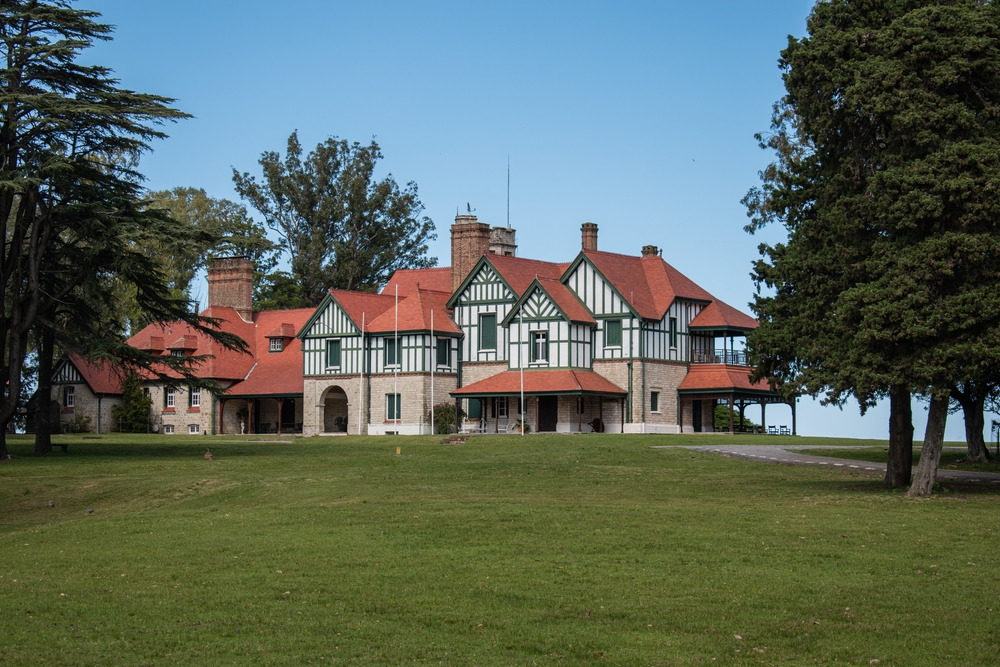
The Lussich Arboretum spans approximately 200 hectares in Punta Ballena, in the department of Maldonado. This forest reserve is home to over 370 exotic species and some sixty local species, the fruit of a reforestation project undertaken at the end of the 19th century by navigator and writer Antonio Lussich. The trails wind through a mosaic of pine groves, eucalyptus and ornamental plantings, leading to a viewpoint at 140 meters overlooking the bay and Sugarloaf Mountain.
Why Visit the Lussich Arboretum
The site combines three points of interest rarely brought together on a single route: a botanical heritage of reference in South America, a coastal viewpoint and a small museum collection around the history of the place. The diversity of tree species makes it a relevant stop for botany enthusiasts, yet the walk remains accessible to families, along wide and well-maintained trails. Its immediate proximity to Punta del Este and Casapueblo also makes it a natural pause easy to integrate into a beach itinerary.
History of the Site
On October 5, 1896, Antonio Lussich acquired a property of 1,800 hectares stretching between Arroyo el Potrero, Sierra de la Ballena, Río de la Plata and Laguna del Sauce. The land was then nothing but dunes and rocks, with little vegetation. From 1897 onward, Lussich launched a vast reforestation program designed to stabilize soils, protect the coast from ocean winds and encourage bird populations to establish themselves.
His maritime activities allowed him to maintain international contacts and import seeds and plants from several continents. The first plantings combined species capable of withstanding sand and sea spray: tamarisks, maritime pines, eucalyptus and trinervis acacias. In December 1979, 182 hectares were transferred to the municipality of Maldonado and opened to the public, giving rise to the arboretum as it is visited today.
What to See on Site
A Structured Botanical Collection
The arboretum stands out notably for one of the country's most extensive eucalyptus collections. Several families of trees are particularly well represented:
- Eucalyptus: 45 species
- Pinus: 20 species
- Quercus: 16 species
- Juniperus: 10 species
- Cupressus: 9 species
- Acacia: 8 species
- Abies: 6 species
- Thuya: 4 species
The 140-Meter Viewpoint
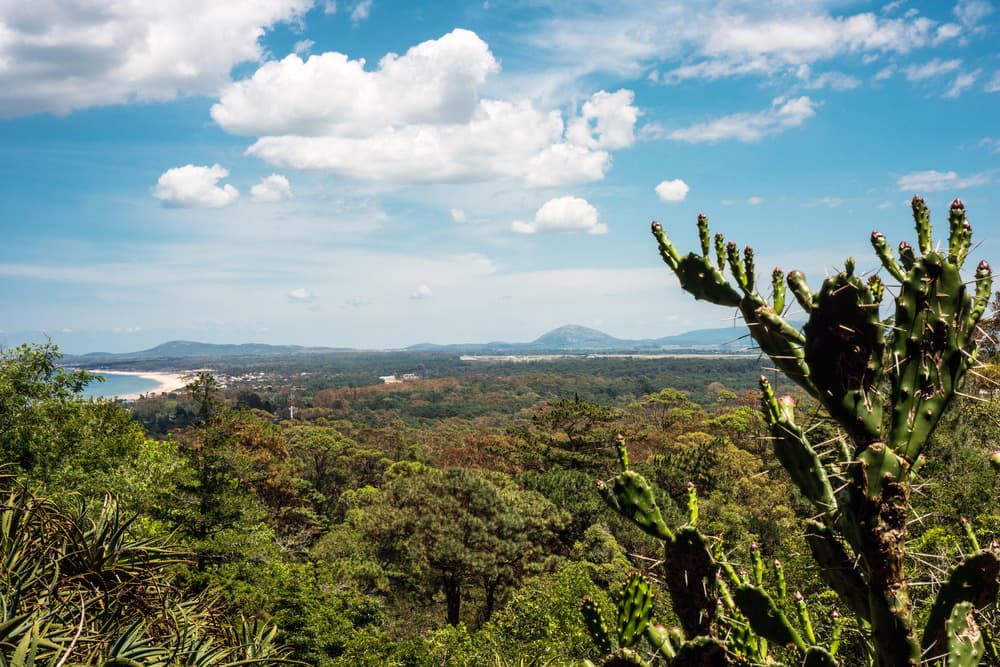
The highest point of the estate, at 140 meters altitude, overlooks Punta Ballena Bay, Sugarloaf Mountain (Pan de Azúcar) and the Sierra de la Ballena range. It is accessible on foot via trails or by car via an internal track.
The Tile Museum
In the heart of the arboretum, the Tile Museum presents a collection of 500 European tiles from the 19th century, complemented by documents, personal objects and artworks related to Antonio Lussich. A projection room screens educational videos on the site's history and botanical heritage.
Practical Information
- Duration of visit: allow 1.5 to 3 hours depending on whether you follow a single trail or the entire route, museum included.
- Guided tours: three guided tours are organized each day from the visitor center, where a park map is provided to visitors.
- Admission fees: affordable entry rate; check current conditions before your departure.
- Equipment: hiking shoes, water and sun protection, as the terrain is hilly and partially exposed.
When to Visit
The arboretum can be visited year-round. The Southern Hemisphere spring (October-November) showcases flowering and denser undergrowth. Summer (December-February) remains pleasant thanks to the shade of conifers and eucalyptus, but can be warm mid-day: prefer early mornings. Autumn (March-May) offers interesting foliage contrasts among oaks and certain deciduous species. Winter (June-August) is quieter and allows you to better appreciate the architecture of the plantings.
How to Get There
The Lussich Arboretum is located in Punta Ballena, in the department of Maldonado, approximately 128 km from Montevideo and 15 km from Punta del Este. Access is via Camino Lussich, connected to Route 38, 300 meters from Route 93 which is the main entrance road. The majority of visitors drive there from Punta del Este or as part of an organized excursion from Montevideo.
What to See in the Surroundings
The arboretum easily fits into a day of sightseeing around Punta Ballena:
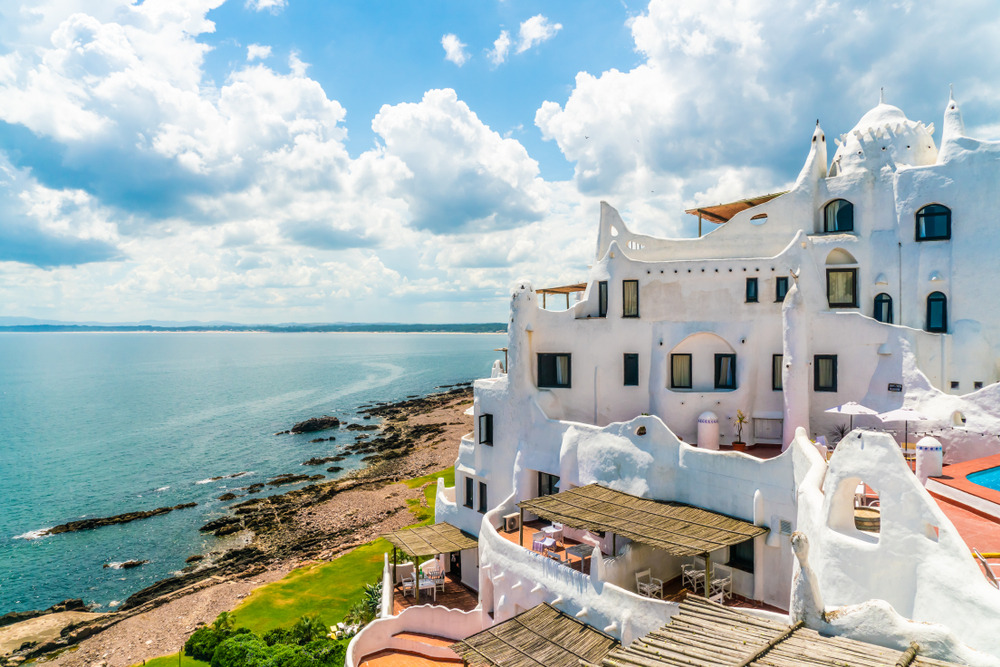
- Casapueblo, the artist Carlos Páez Vilaró's house-studio-hotel, a few minutes' drive away, ideal at day's end for sunset.
- The Pablo Atchugarry Foundation, a space dedicated to contemporary art and sculpture on the road between Punta Ballena and Manantiales.
- The Aaron de Anchorena National Park, another major botanical estate in southern Uruguay, located further west.
FAQ
Frequently asked questions
A complete visit, including trails and the Tile Museum, requires approximately 2 to 3 hours. For a quick walk to the viewpoint, allow about 1.5 hours.
Yes. The main access is via Camino Lussich, 300 meters from Route 93. The 140-meter viewpoint can also be reached by car via an internal track.
Three guided tours are organized each day from the visitor center, where a park map is provided to visitors.
Yes. The main trails are wide and easy. The terrain is hilly but remains accessible to walking-age children. Bring water and sun protection.
Casapueblo, the Pablo Atchugarry Foundation and Punta Ballena beaches are within a few kilometers. Punta del Este, 15 km away, easily completes the day.
Incorporating the Lussich Arboretum into Your Trip
The Lussich Arboretum naturally fits into an itinerary combining Montevideo, Punta del Este and the Maldonado coast. To build a custom stay including this botanical stop and nearby sites, consult our Uruguay travel suggestions.
Interested in this visit?
We can include it in your personalised itinerary.