Museo Juana de Ibarbourou
In Melo, the birthplace of Juana de Ibarbourou — nicknamed "Juana de América" — preserves manuscripts, first editions and personal objects of Uruguay's most celebrated poet of the twentieth century.
In Melo, capital of the Cerro Largo department, the birthplace of Juana de Ibarbourou (1892-1979) houses a museum dedicated to Uruguay's most celebrated poet of the twentieth century. Nicknamed "Juana de América" by her contemporaries, she was one of the first women to enter Uruguay's National Academy of Letters. The venue preserves personal objects, manuscripts and first editions that shed light on her life and work.
What you'll see
The museum occupies the colonial house where the poet grew up. The rooms feature portraits, handwritten letters, first editions of collections such as Las lenguas de diamante (1919) and everyday objects belonging to Ibarbourou. The interior architecture — central courtyard, high-ceilinged rooms — reflects the bourgeois home life of Melo at the turn of the twentieth century.
History and context
Juana de Ibarbourou was born in Melo in 1892. Her first collection, published when she was 27, earned her immediate recognition throughout Latin America. In 1929, a public ceremony in the Uruguayan Parliament bestowed upon her the title of "Juana de América". She died in Montevideo in 1979. The birthplace is classified as national heritage and converted into a museum to preserve the memory of this major literary figure.
Highlights of your visit
Original manuscripts
A few sheets written in Ibarbourou's own hand are among the collection's most precious pieces. They allow you to follow the poet's revision process.
The colonial house itself
The architecture of the residence — typical of Melo in the late nineteenth century — is itself a testament to the era. The interior courtyard and room proportions give a tangible sense of the setting in which the poet grew up.
Photography tips
Natural light streaming through the central courtyard offers the best conditions in mid-morning. Check with staff whether photography is permitted in rooms containing original documents, as restrictions may vary.
Location and access
Melo is located in northeastern Uruguay, approximately 380 km from Montevideo via National Route 8. The museum is situated in the city's historic center, accessible on foot from the main plaza. Intercity buses regularly connect Montevideo to Melo.
Nearby attractions
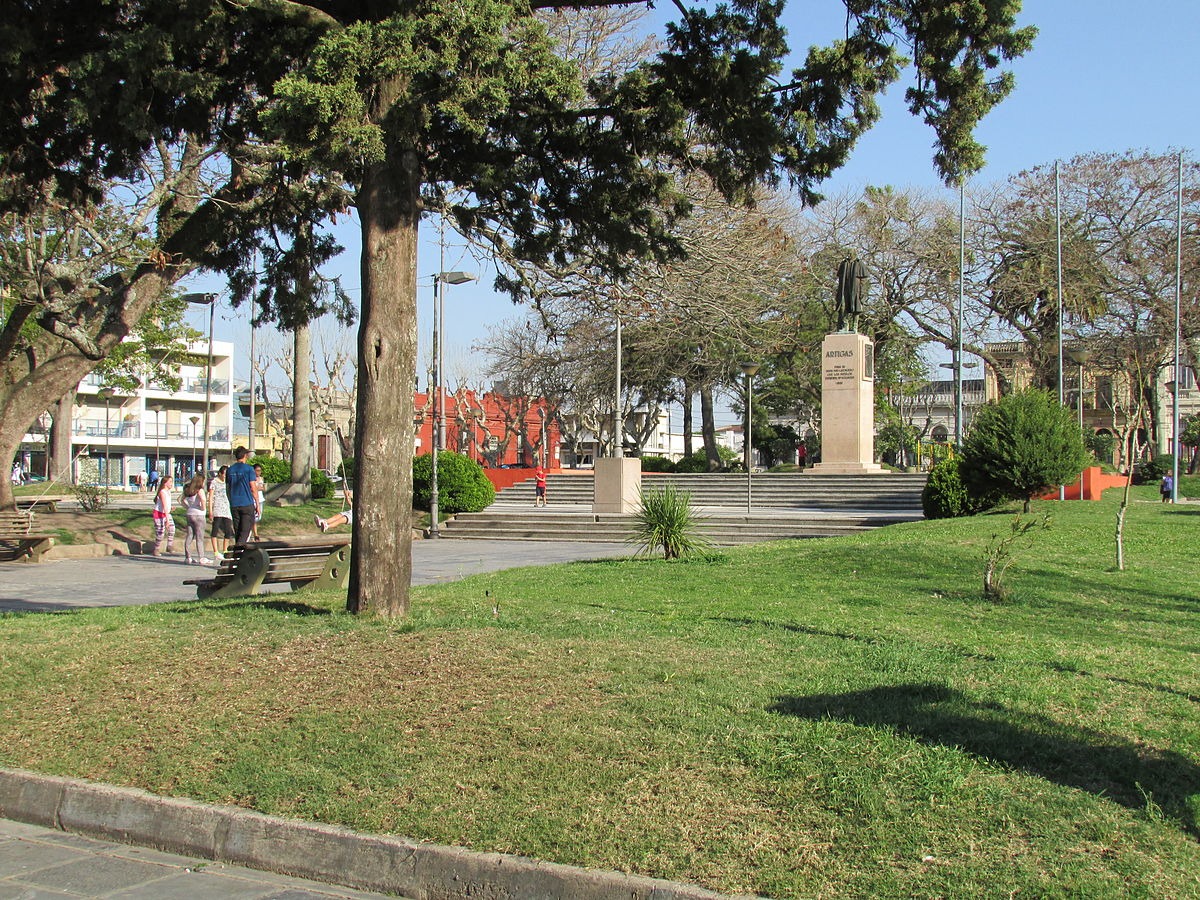
- Plaza Independencia de Melo — the city's central plaza, the natural starting point for exploring the historic center.
- Melo Cathedral — a religious building in the city center, just a few minutes' walk from the museum.
Frequently asked questions
The museum is housed in Juana de Ibarbourou's birthplace, in the historic center of Melo, capital of the Cerro Largo department, in northeastern Uruguay.
For a museum of this size in Melo, advance reservation is generally not necessary. However, it is advisable to contact Melo's town hall or local tourist office to confirm opening hours before your visit.
A full visit takes between 45 minutes and one hour, depending on your interest in the literary documents on display.
The venue is suited to Uruguayan school audiences, as Juana de Ibarbourou features in school curricula. For non-Spanish-speaking children, the appeal will depend on their sensitivity to poetry and literary history.
Melo fits well into a northeastern Uruguay circuit, particularly with the Cerro Largo region and the Brazilian border. From Montevideo, allow a full day of travel; the museum itself can be visited in half a day.
Interested in this visit?
We can include it in your personalised itinerary.