Montevideo and the South
A linear capital overlooking the Rio de la Plata, tannat vineyards in Canelones and the first coastal resort at Piriápolis: the urban and wine-growing heart of Uruguay.
Montevideo is home to 1.4 million people, nearly half of Uruguay's population. The city stretches along the Rio de la Plata for roughly fifteen kilometers, from the tip of Ciudad Vieja in the west to the Carrasco neighborhood in the east, near the international airport. This linear geography shapes the entire urban rhythm: the Rambla, a 22 km waterfront promenade, serves simultaneously as a thoroughfare, a daily sports destination, and a social space where Montevideans gather to sip their mate in the late afternoon.
Ciudad Vieja retains the Spanish colonial and port-driven imprint of the nineteenth century. Plaza Independencia marks the transition between historic city and modern center, dominated by the Palacio Salvo, a 1928 building once considered the tallest in South America. Nearby, the streets of Sarandí and Pérez Castellano concentrate bookstores, historic cafés (the Brasilero, the Tortoni) and galleries. On Sundays, the Feria de Tristán Narvaja, a flea market spanning roughly fifteen city blocks in the Cordón neighborhood, remains one of the best places to observe the capital's sociology: record shops, antiquarian booksellers, antique dealers, plants, animals, street asado.
The Mercado del Puerto, a metal-framed market hall inaugurated in 1868 facing the port, houses about a dozen parrillas that light their coals from 11 a.m. onwards. Here you eat asado de tira, chorizo on bread (choripán), and taste medio y medio, a local blend of dry white wine and sparkling wine. A few blocks away, the Museo del Carnaval documents the tradition of candombe, an Afro-Uruguayan percussion style born in the Sur and Palermo neighborhoods, recognized as UNESCO intangible heritage. The Sunday-evening rehearsals of cuerdas de tambores in the street are among the moments when the city reveals itself without artifice.
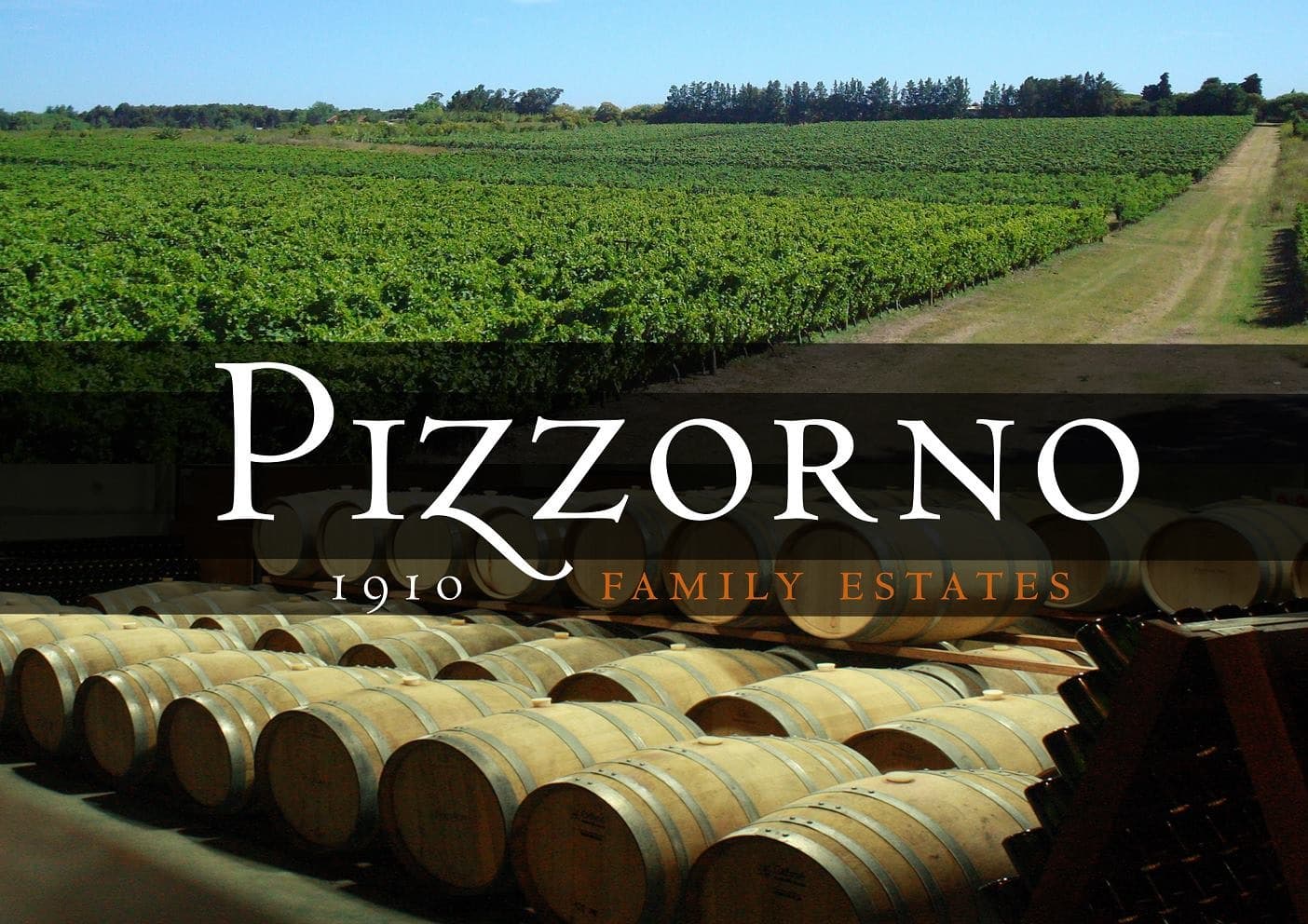
Beyond Montevideo's boundaries, the Canelones department extends north and east: it is the country's principal wine region, specializing in tannat, a grape imported from southwestern France in the nineteenth century. About twenty wineries can be visited on day trips from the capital, notably around Las Piedras, Juanicó and Atlántida. Further east, the coast of Maldonado department begins at Piriápolis, a seaside resort founded in 1890 by Francisco Piria, with its Argentino hotel overlooking the sea and Cerro Pan de Azúcar (389 m) in the background. It is a popular resort, frequented year-round, which contrasts with Punta del Este located 40 km further east.
The region's climate is temperate oceanic, marked by the influence of the Rio de la Plata and the Atlantic. Temperatures range from an average of 10°C in July to 23–28°C in January, with high humidity year-round. The pampero, a dry, cold wind from the southwest, can cause sharp temperature drops in autumn and winter. Rainfall is distributed throughout the year, without a marked dry season, averaging around 1,000 mm annually.
The capital's economy relies on services, the port (one of the most active on South America's Atlantic coast) and administration: Montevideo is also the seat of Mercosur. This institutional dimension partly explains the city's measured pace, the importance given to public space, and the quality of its cultural fabric (Teatro Solís, Auditorio del SODRE, neighborhood cinémathèques). It is this density of everyday uses, rather than isolated monuments, that justifies spending time here.
Highlights
Mercado del Puerto at lunchtime. A cast-iron market hall from 1868 facing the wharves, where about a dozen parrillas grill beef ribs, offal and chorizo over quebracho coals from 11 a.m. The smell of smoke lingers over Ciudad Vieja all morning.
Rambla de Pocitos to Punta Carretas. A 6 km stretch along the Rio de la Plata, ideal in late afternoon. Montevideans walk here thermos under arm, the river taking on brown or slate tones depending on the wind.
Candombe in the Sur neighborhood, Sunday evening. Cuerdas de tambores (chico, repique, piano) rehearse on Isla de Flores street and around Plaza Cuba. A living Afro-Uruguayan tradition, free from tourist packaging.
Canelones wineries. About twenty family estates between Las Piedras and Juanicó, 30–45 minutes from Montevideo. Tastings of tannat, a robust grape imported from Béarn, often blended with merlot.
Piriápolis and Cerro Pan de Azúcar. A seaside resort from 1890, 100 km from the capital, with its Argentino hotel overlooking the bay. A 1.5-hour climb to the summit of the Cerro (389 m), with views along the coast to Punta del Este on clear days.
When to go
The best period runs from October to April, with peak visitation between mid-December and late February, when local summer holidays occur. In January, daytime temperatures reach 28°C, rarely dropping below 18°C at night, and the humidity from the Rio de la Plata makes afternoons heavy. This is also when Carnaval takes place, the longest in the world (roughly 40 days, from late January to early March), with Llamadas parades in the Sur and Palermo neighborhoods in early February.
From May to September, winter is mild but windy and humid: averaging 10–15°C, often gray skies, fine rain spread throughout. July is the coldest month, with occasional pampero episodes that drop the thermometer to 4 or 5°C. The city remains lively (theaters, milongas, museums) but the coast, including Piriápolis, slows down. We do not recommend June–July for a first trip focused on the outdoors. In contrast, March and April, or October and November, offer a good balance: 18–23°C, clear light, few crowds on the Rambla and in the wineries.
Practical advice
We recommend 2 to 3 full days in Montevideo, placed at the beginning or end of your itinerary. Carrasco international airport is 20 km from the center, roughly 25–35 minutes by car depending on traffic. One day suffices for Ciudad Vieja and the Mercado del Puerto, a second for the Rambla, the Pocitos and Punta Carretas neighborhoods, and a museum (Torres García, MNAV or Museo del Carnaval). The third day works well for an excursion: Canelones wineries, or Piriápolis and the Sierra de las Ánimas, 1.5 hours by road.
The region combines naturally with Colonia del Sacramento to the west (2h15 by Route 1, ferry possible from Buenos Aires), with the Atlantic coast to the east (Punta del Este at 2 hours, La Paloma at 3h30), or with the gaucho hinterland via Tacuarembó and estancias in the country's interior. Hotel comfort is high in Montevideo, more uneven on the Maldonado coast outside season. This region is particularly suited to travelers interested in South American urban culture, meat and wine gastronomy, and leisurely rhythms: it is less a hiking destination than one for observation and wandering.