16 articles to prepare your trip
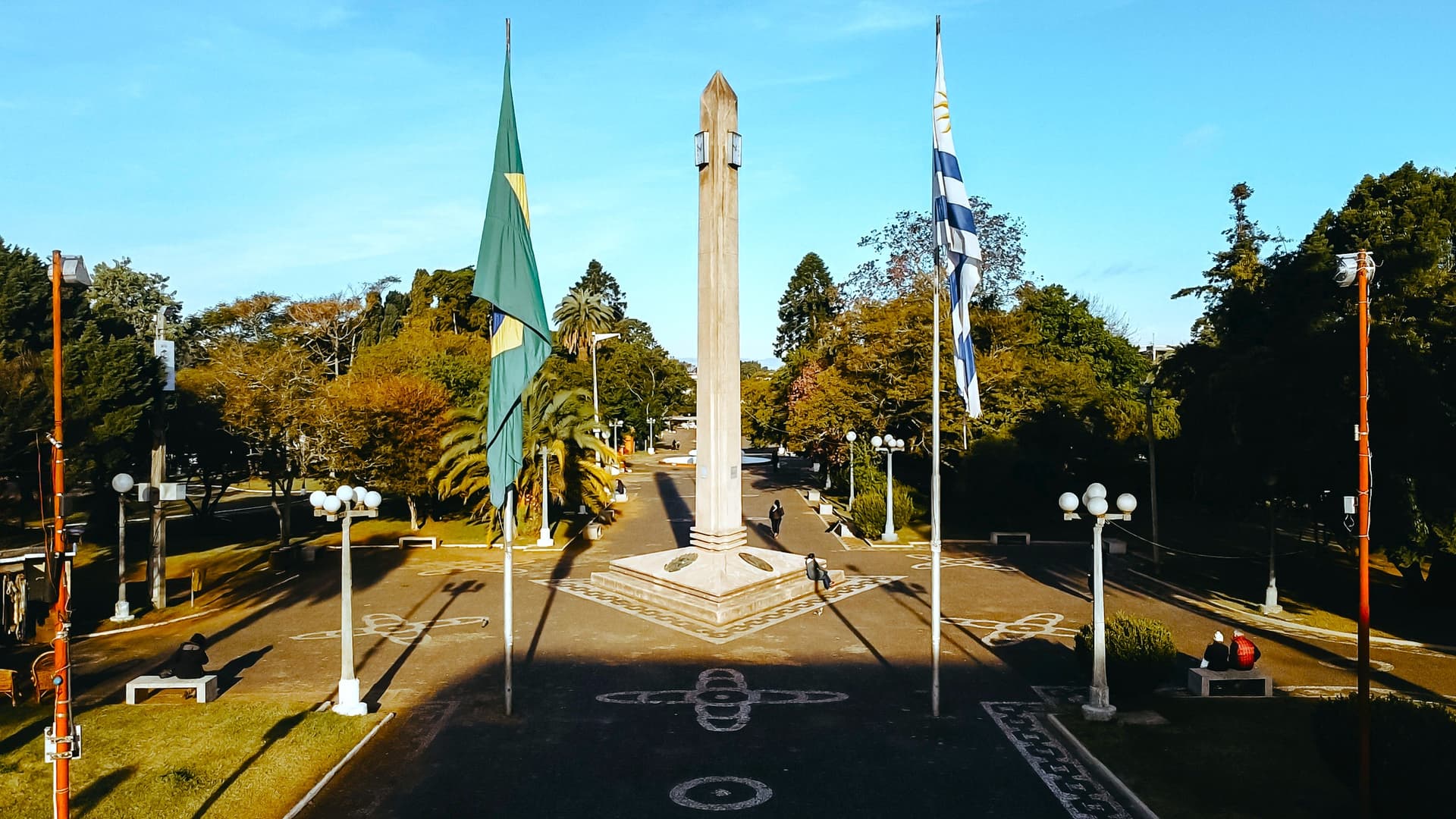
Rivera, capital of its namesake department in northern Uruguay, forms with the Brazilian city of Santana do Livramento a unique twin agglomeration, where the border can be crossed on foot in just a few steps.
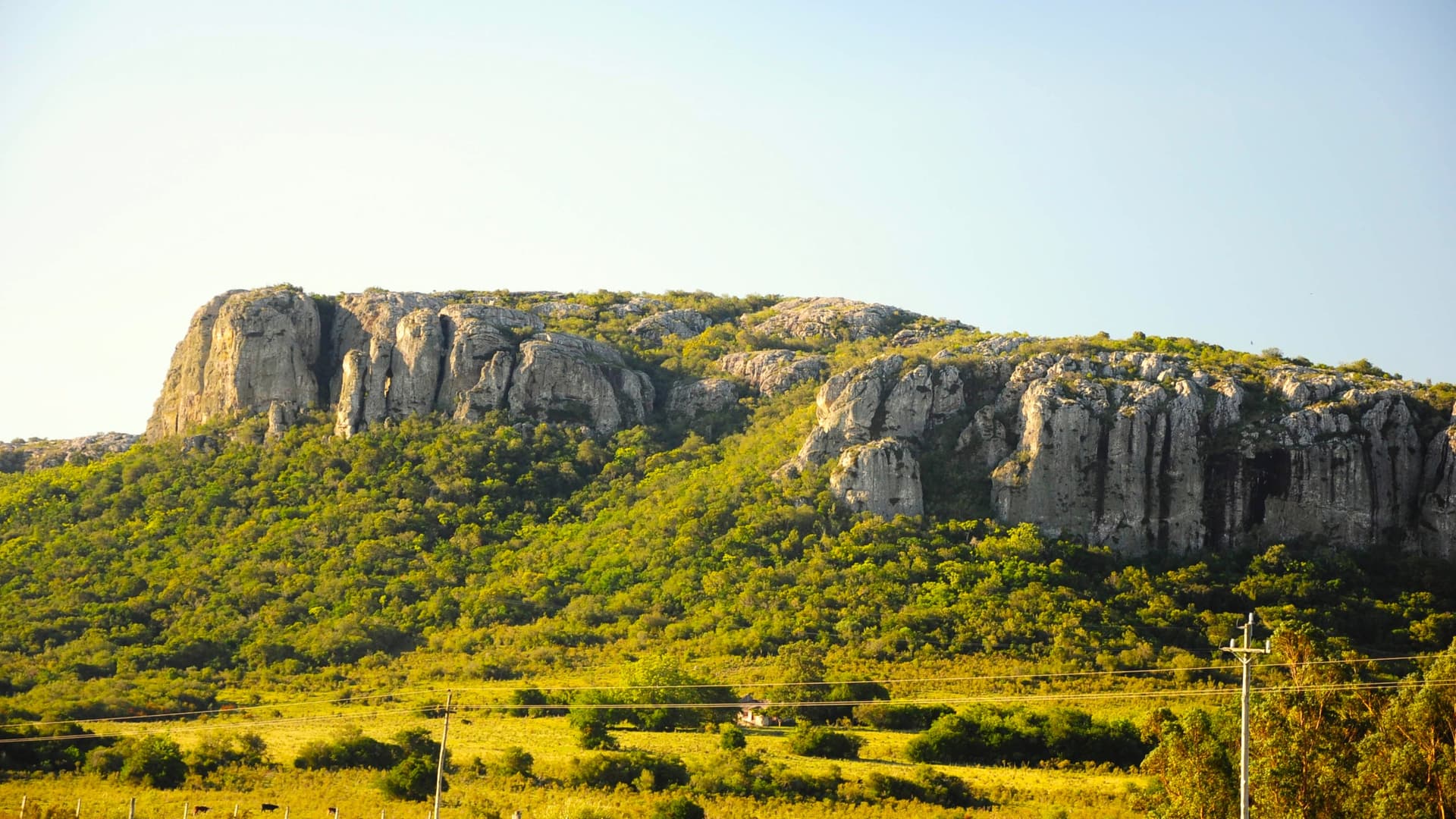
Lavalleja, a department in rural Uruguay centered on the town of Minas, blends granite hills, traditional estancias, and historical sites linked to the country's independence. Authentic Uruguay, far from coastal resort circuits.
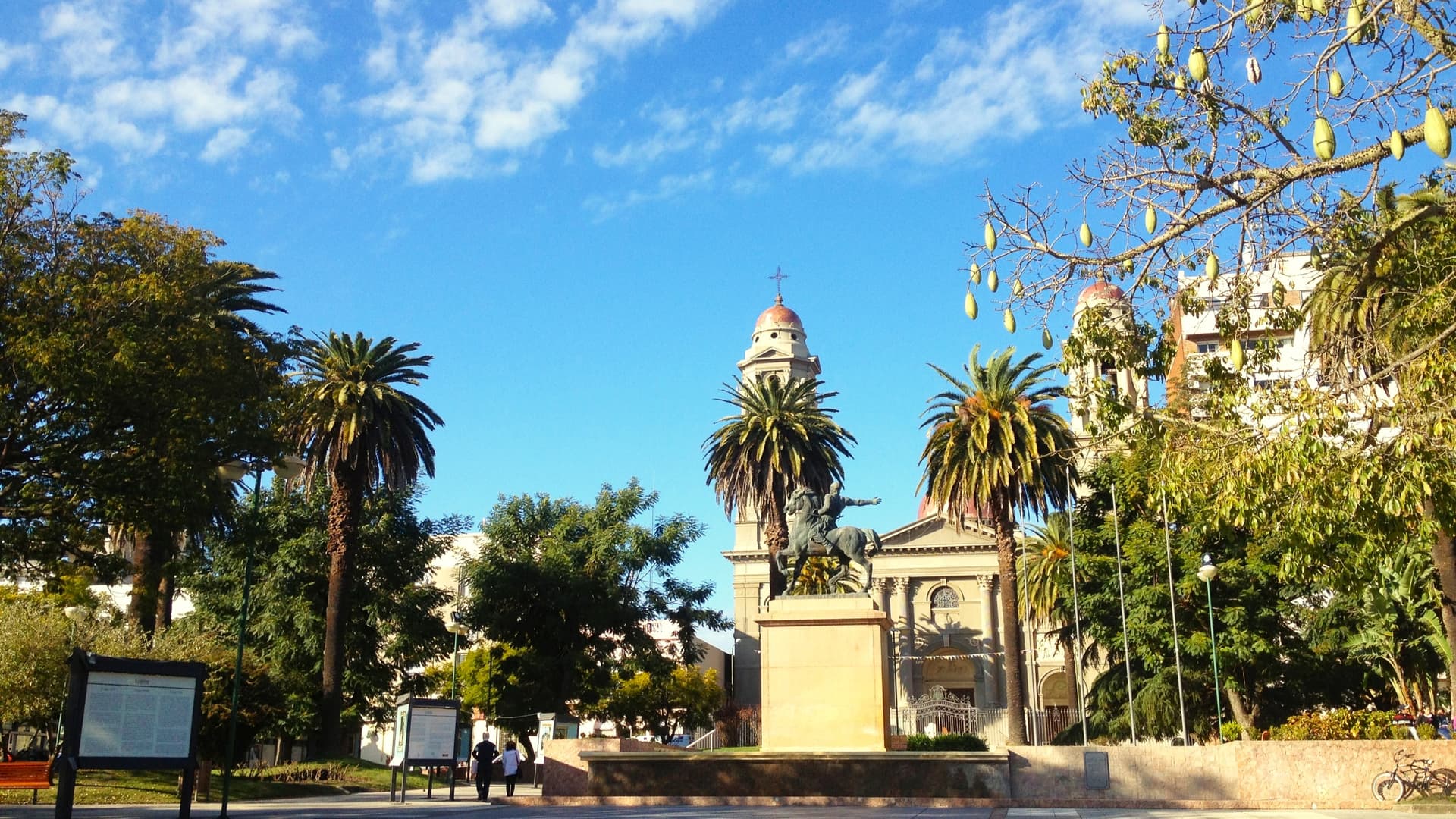
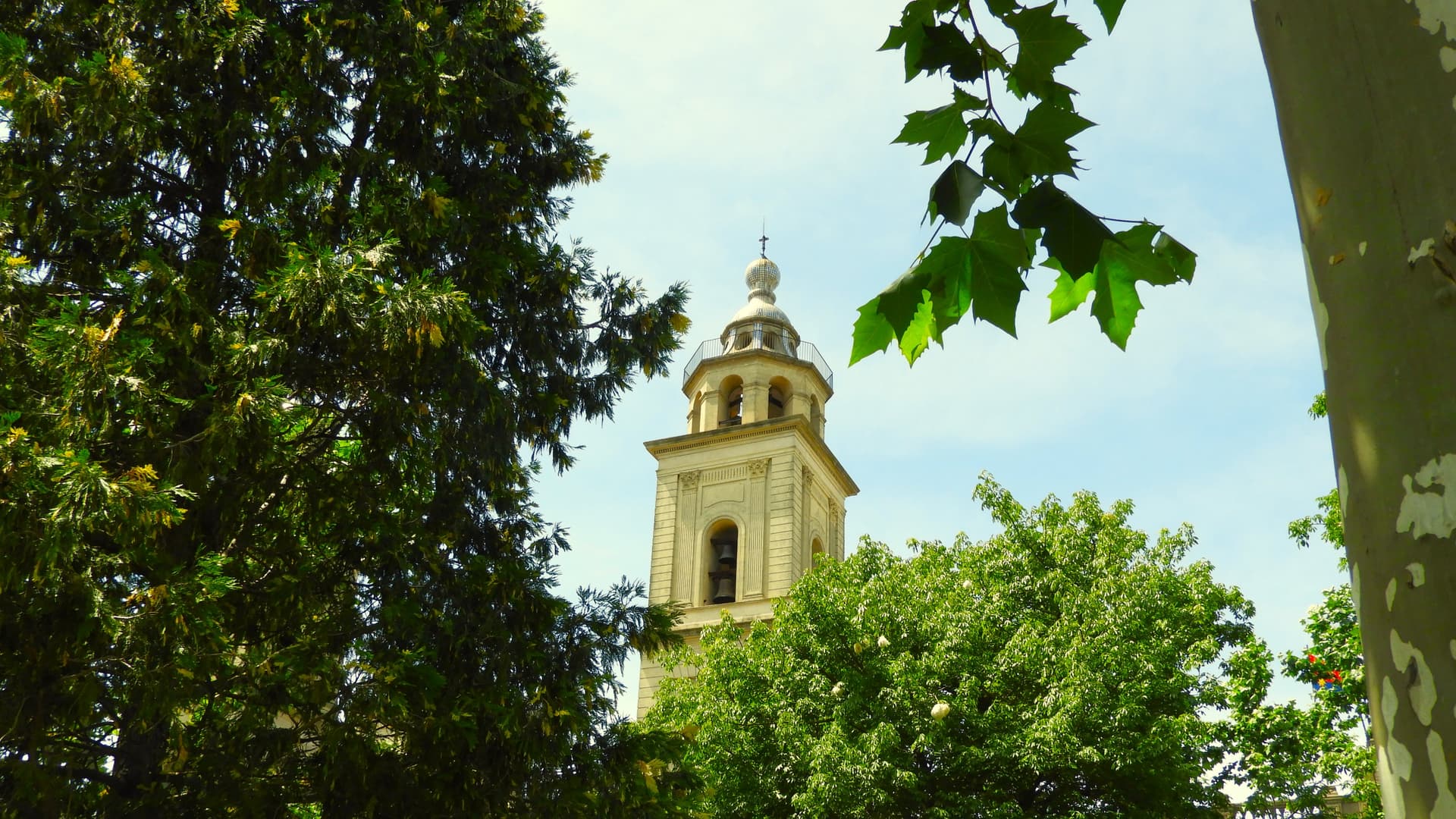
Soriano, in western Uruguay, brings together colonial history, rolling coxilha landscapes, and gaucho culture. Its capital Mercedes borders the río Negro, while Santo Domingo de Soriano preserves one of the country's oldest churches.
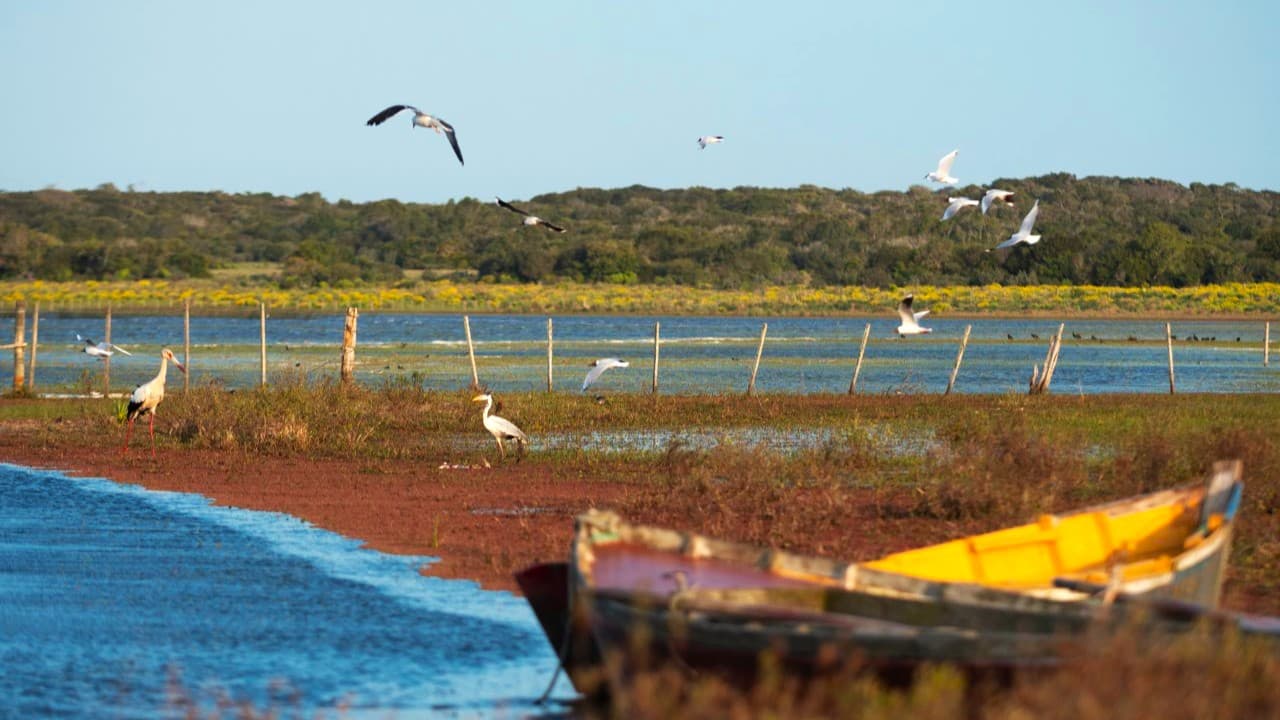
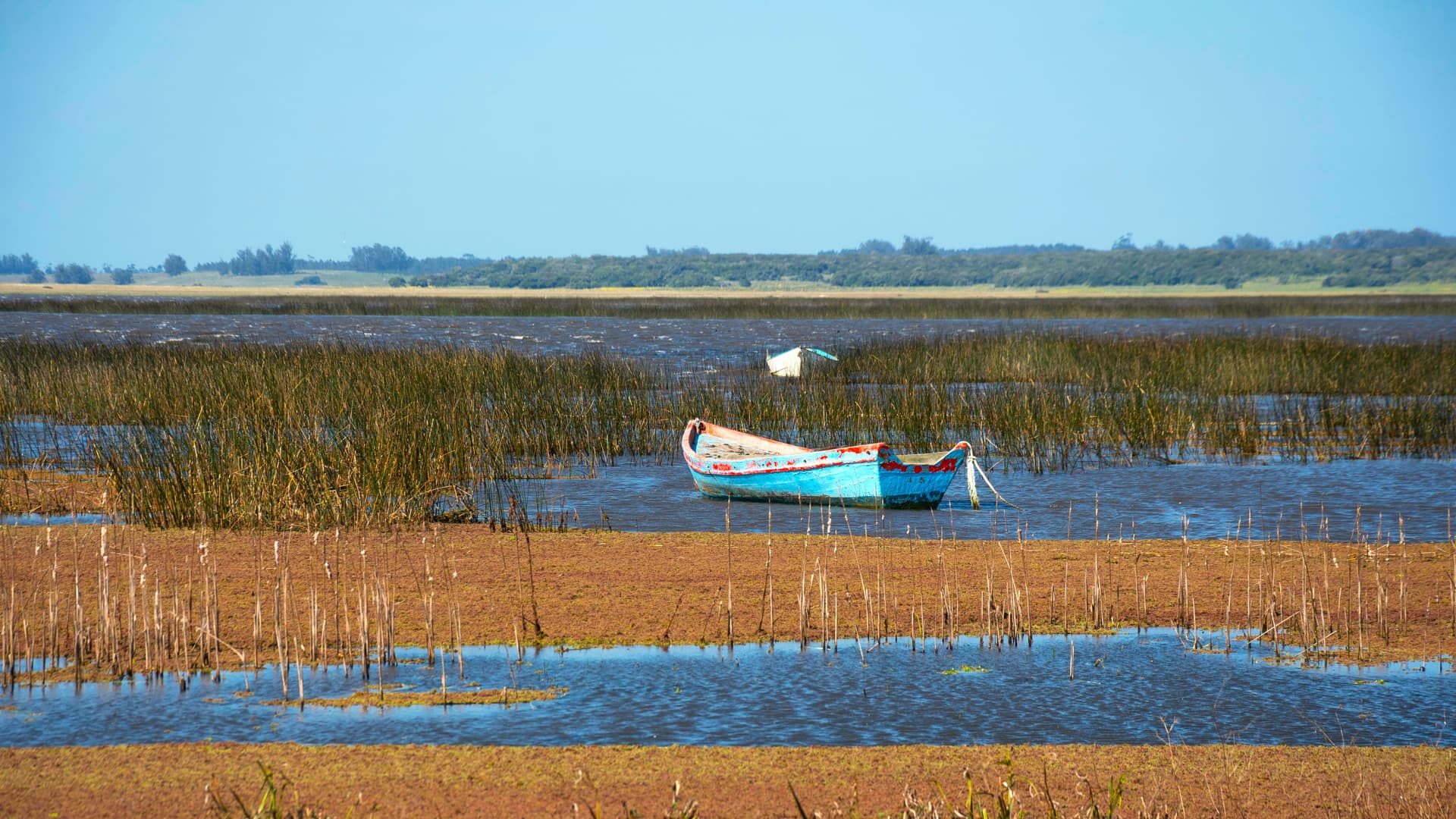
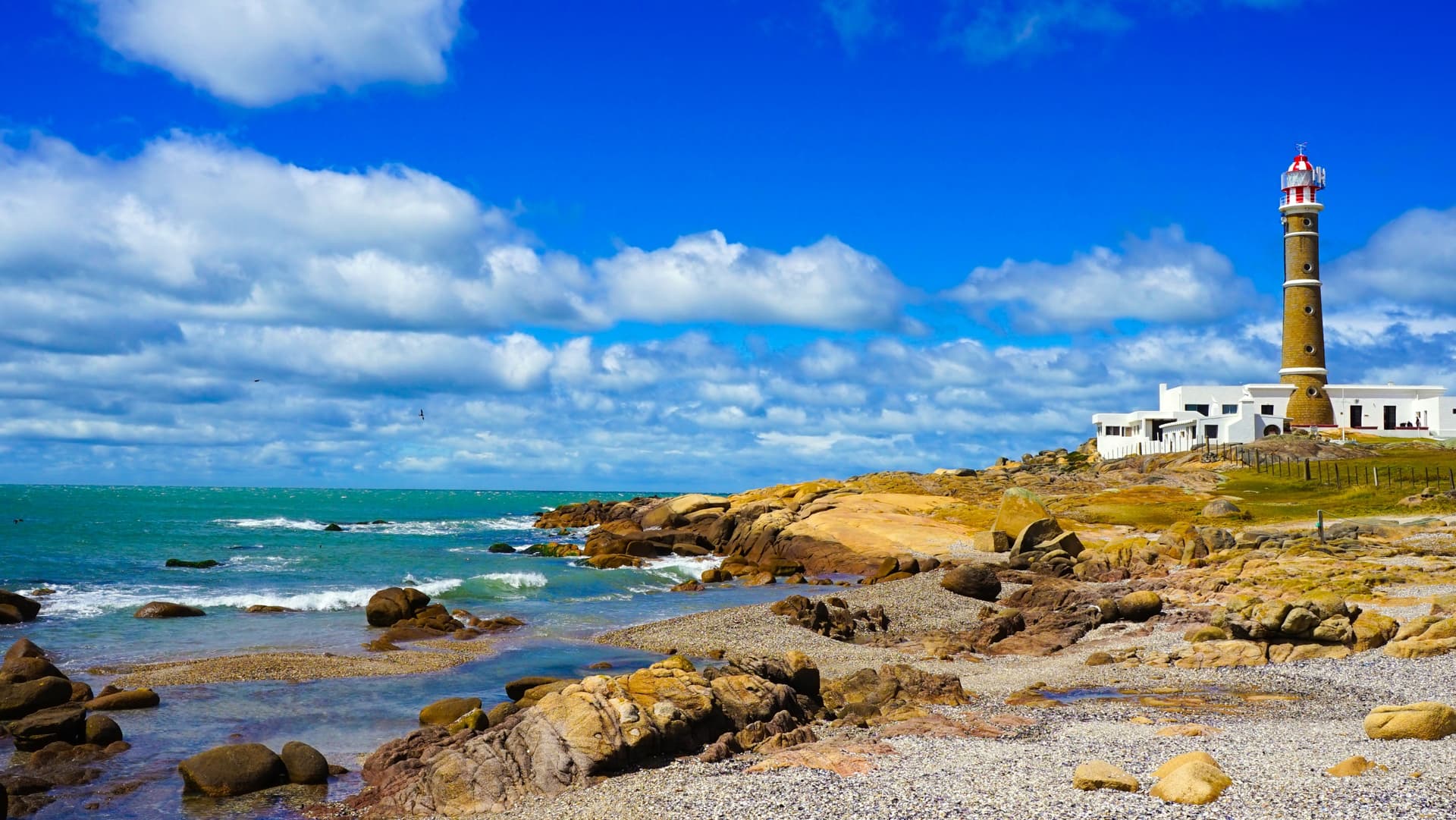
Between the Atlantic and Laguna Merín, Rocha department brings together wild coasts, Ramsar-designated wetlands and authentic villages such as Cabo Polonio and Punta del Diablo.
Founded in 1783, San José de Mayo is a colonial town in inland Uruguay surrounded by grasslands and estancias. Located 90 km from Montevideo, it offers a glimpse of rural Uruguay, far from the usual tourist circuits.
Río Negro, in western Uruguay, is home to Fray Bentos and its Anglo refrigeration complex, a UNESCO World Heritage site — a rare testament to the 19th-century agro-industrial revolution.
The Maldonado department concentrates Uruguay's most celebrated beaches, from Punta del Este to José Ignacio, blending colonial architecture, art and Atlantic landscapes.
If you're looking to discover Uruguay from a different perspective, Flores is a destination worth considering. This small department in the heart of the country doesn't reveal itself through grand monuments or crowds of visitors, but rather through the simplicity of its landscapes, the warmth of its people, and unmissable natural sites that deserve your attention.
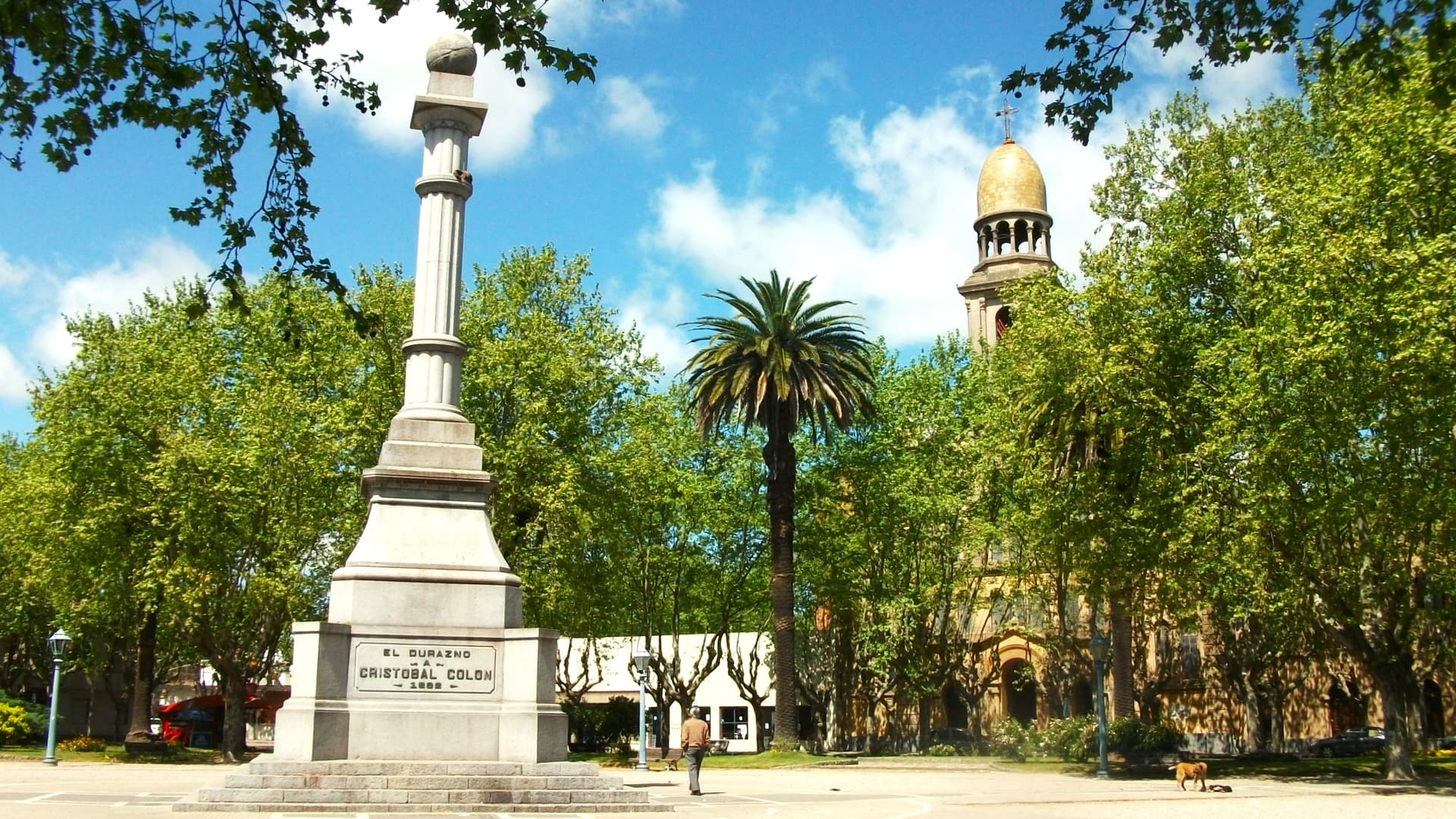
Durazno
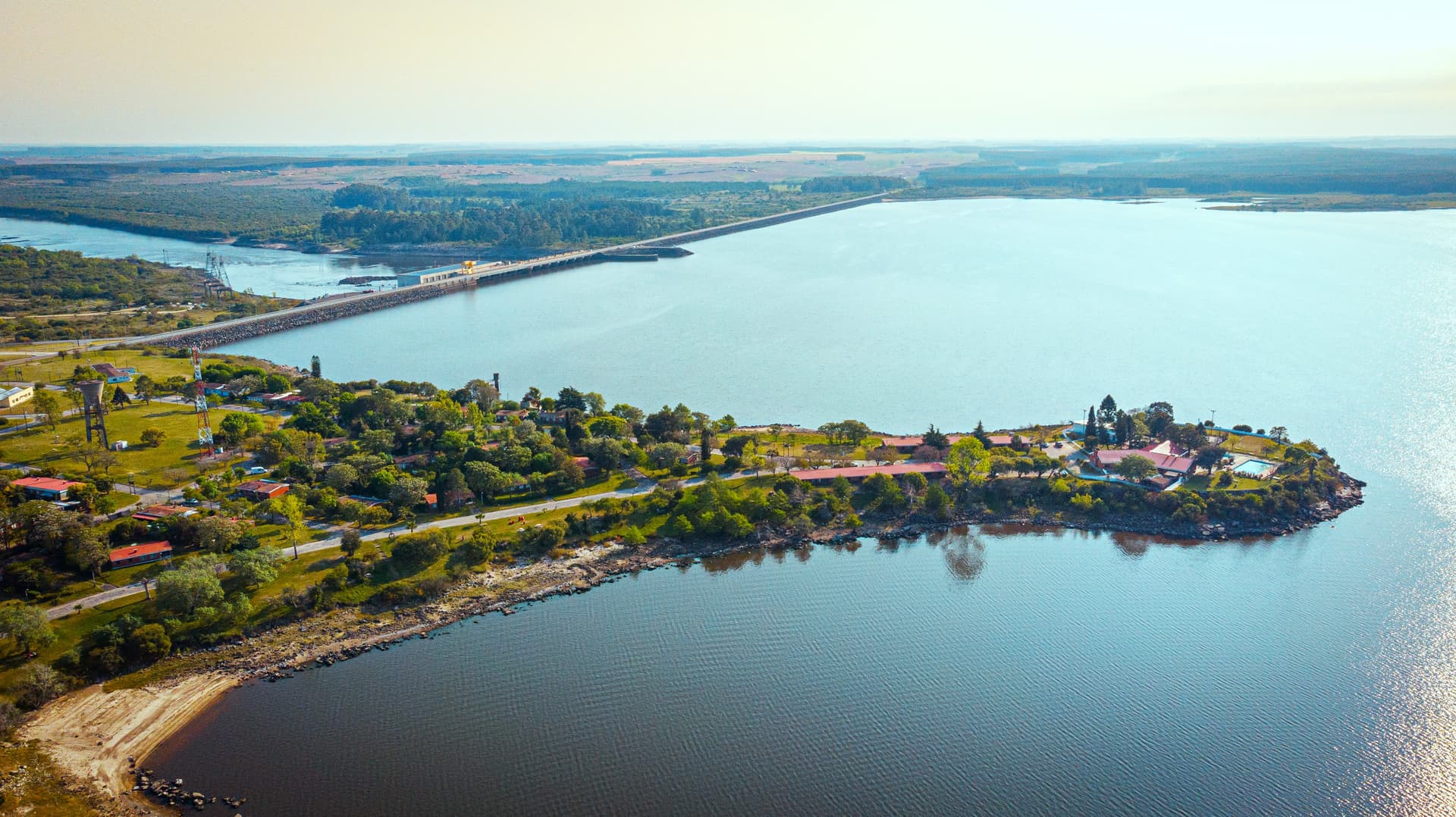
Durazno is a city located in the central part of Uruguay. It is known for its popular festivals and rural traditions, attracting visitors with its relaxed atmosphere and distinctive cultural identity.
If you choose to travel to eastern Uruguay, Cerro Largo will transport you to a territory still preserved from mass tourism. You'll discover a region shaped by its proximity to Brazil, where gaucho traditions are lived daily.
Canelones is Uruguay in relaxation mode. Just a few kilometers from Montevideo, this region whisks you away for an extraordinary escape. Whether for a short stay or a day trip from the capital, this region unveils a mosaic of accessible and welcoming places. On the agenda: chat about wine with vintners in their cellars, walk on beaches with the scent of the sea, and settle into a small plaza to savor a coffee. A complete overview of the experiences to discover on site.
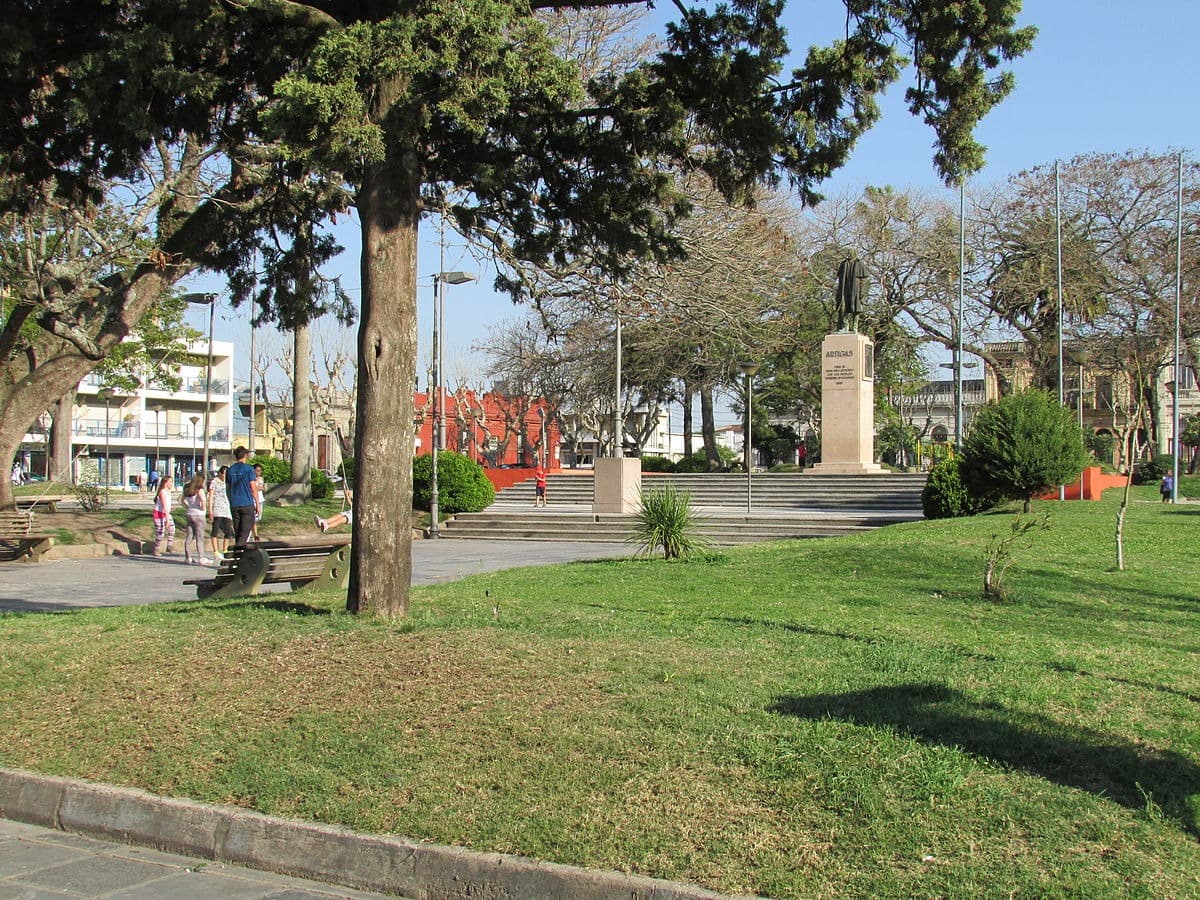
Artigas
Located at Brazil's border, Artigas is a gateway to a surprising and welcoming Uruguay. Far from the usual tourist trails, this city captivates with its vibrant carnival, animated daily life, and multicultural atmosphere. In the surrounding area, nature offers wonderful discoveries, from monumental rock formations to hidden vineyards. It's an ideal stop to experience the country's authenticity while enjoying a warm and hospitable atmosphere.
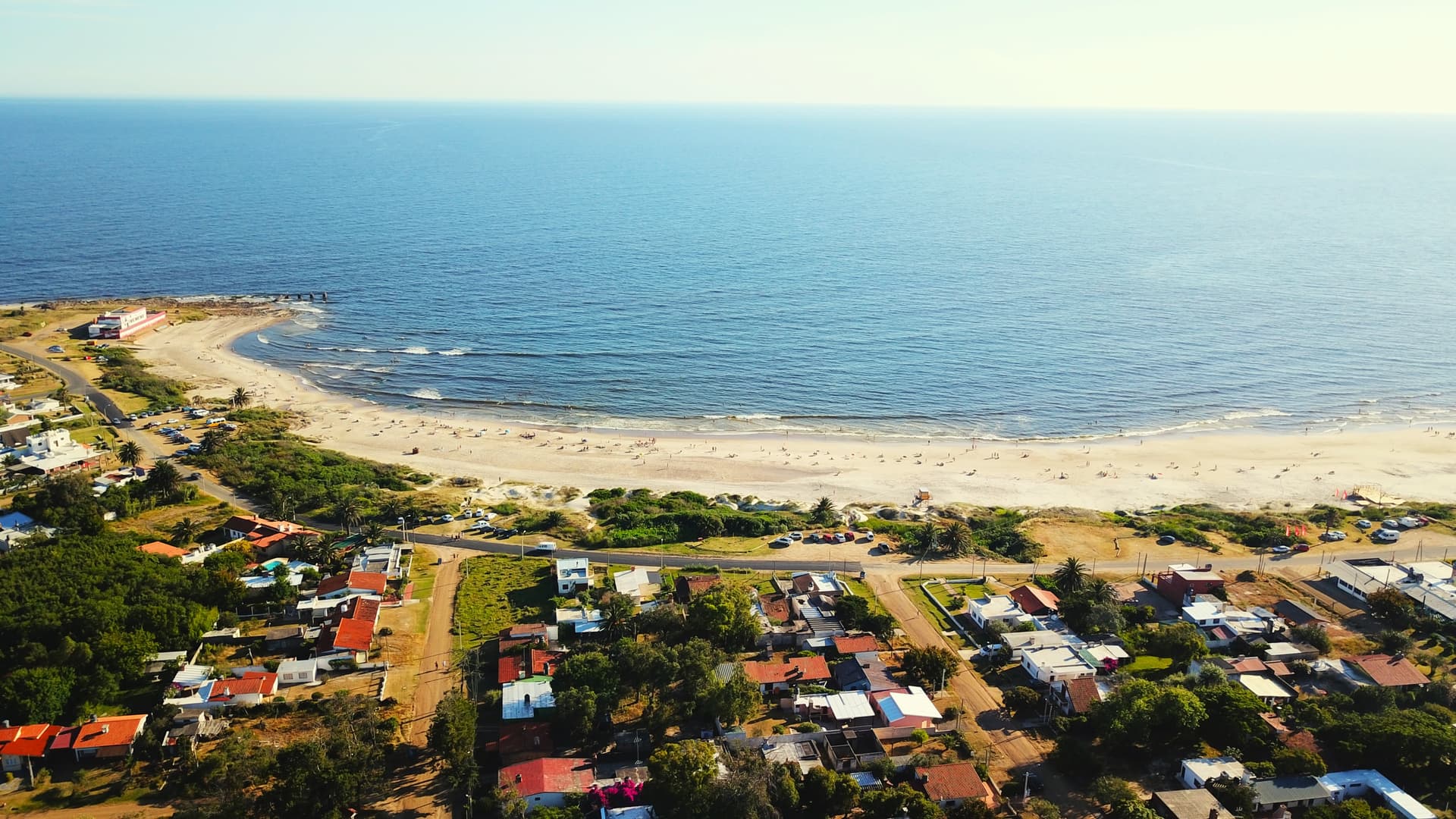
At the eastern tip of Uruguay, Rocha lines UNESCO-listed lagoons, unpaved coastal villages, southern right whales from July to October and 220 bird species.
220 kilometers of shoreline where you transition in two hours of driving from the marinas of Punta del Este to the electricity-free dunes of Cabo Polonio.
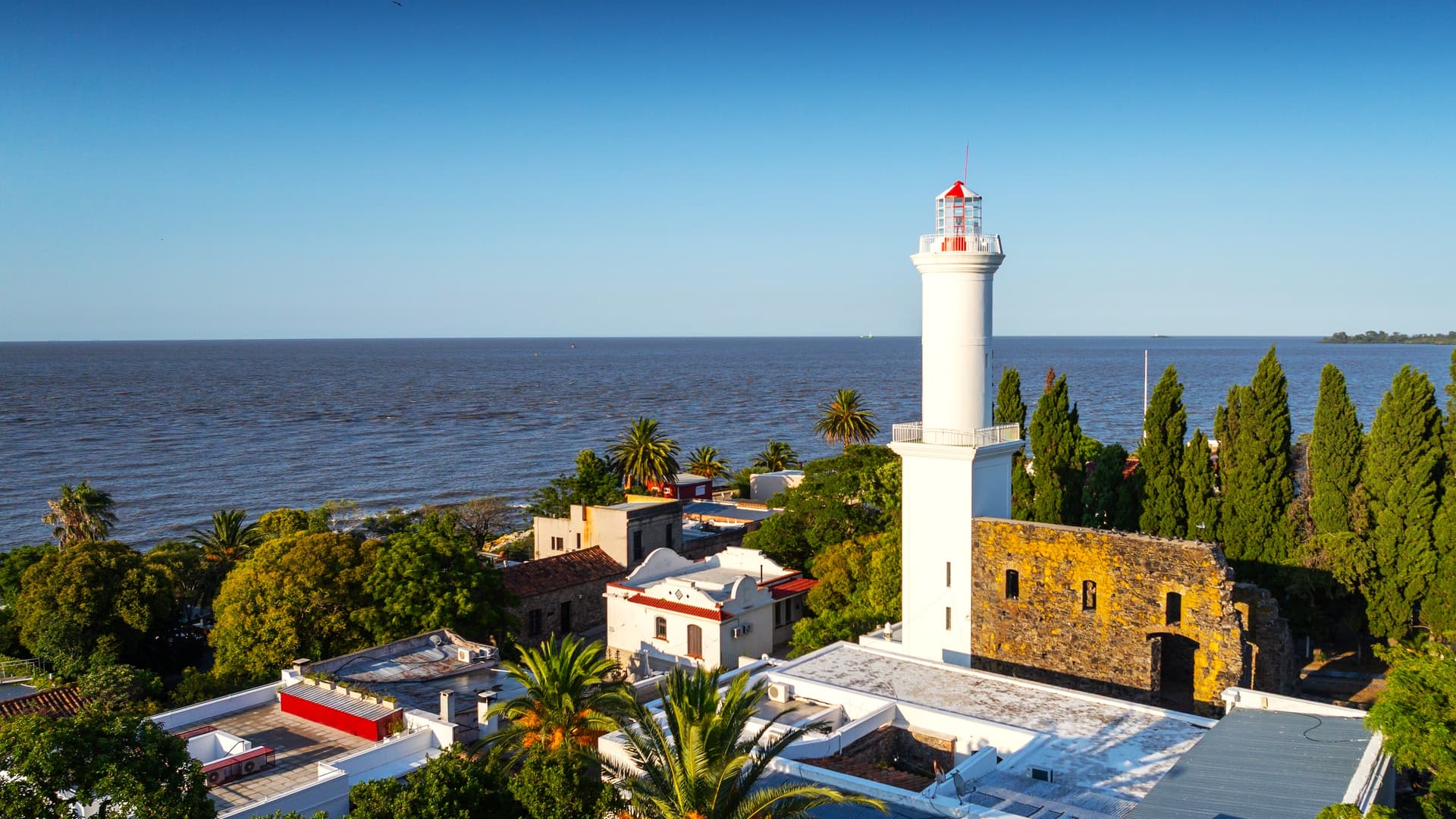
Portuguese town from 1680 facing Buenos Aires, UNESCO cobblestones and Tannat estates in Carmelo: a river and wine gateway into Uruguay.
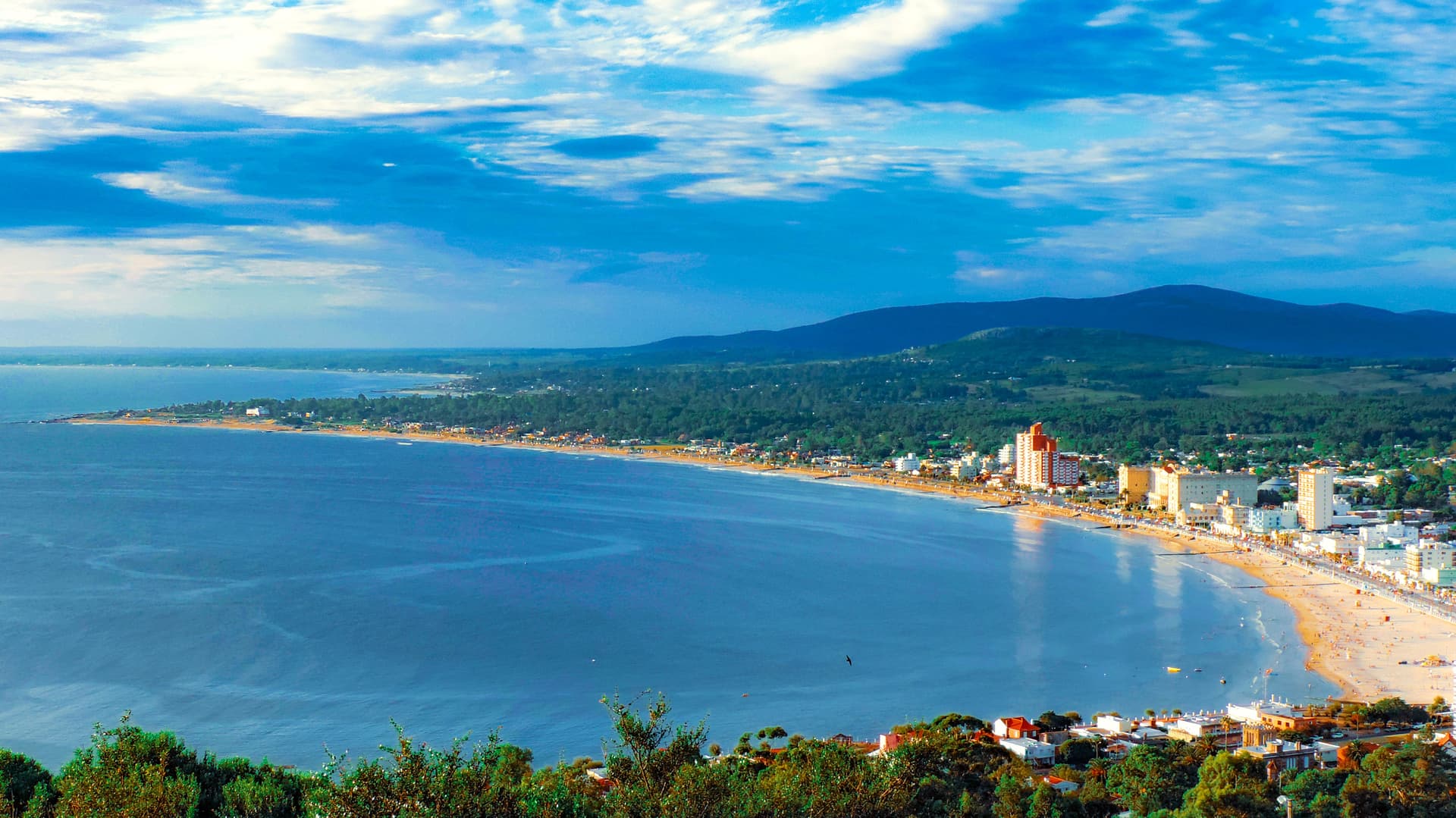
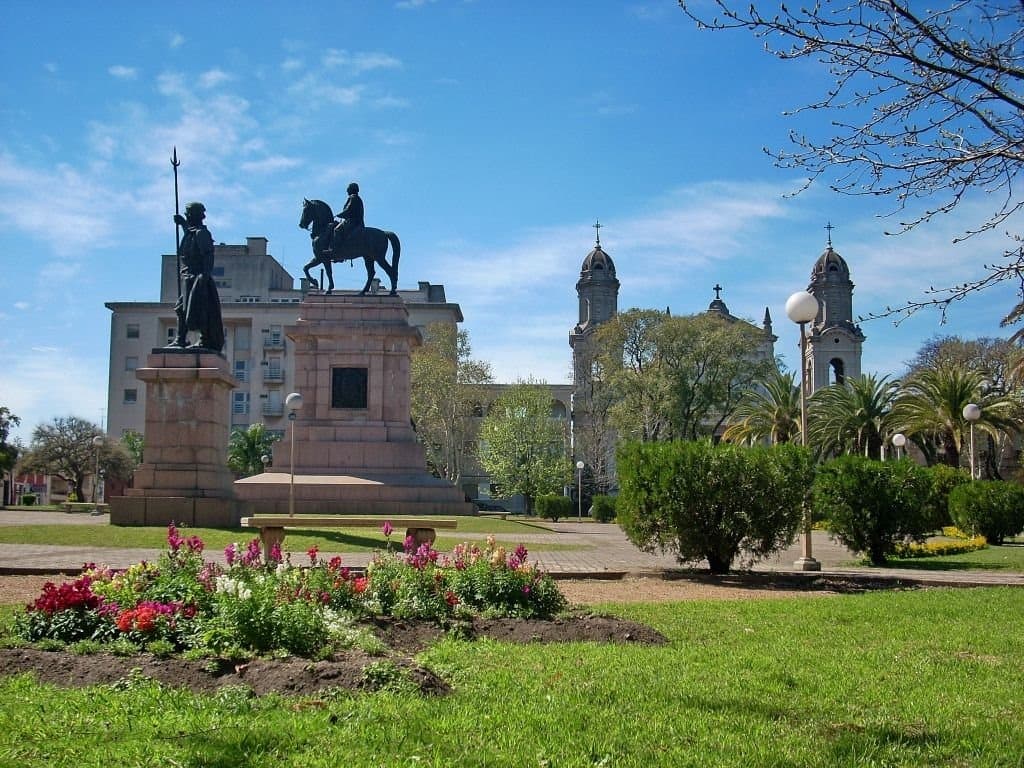
A linear capital overlooking the Rio de la Plata, tannat vineyards in Canelones and the first coastal resort at Piriápolis: the urban and wine-growing heart of Uruguay.
16 of 16 results
We use cookies to improve your experience and measure our site's audience. You can choose what you accept. Learn more.