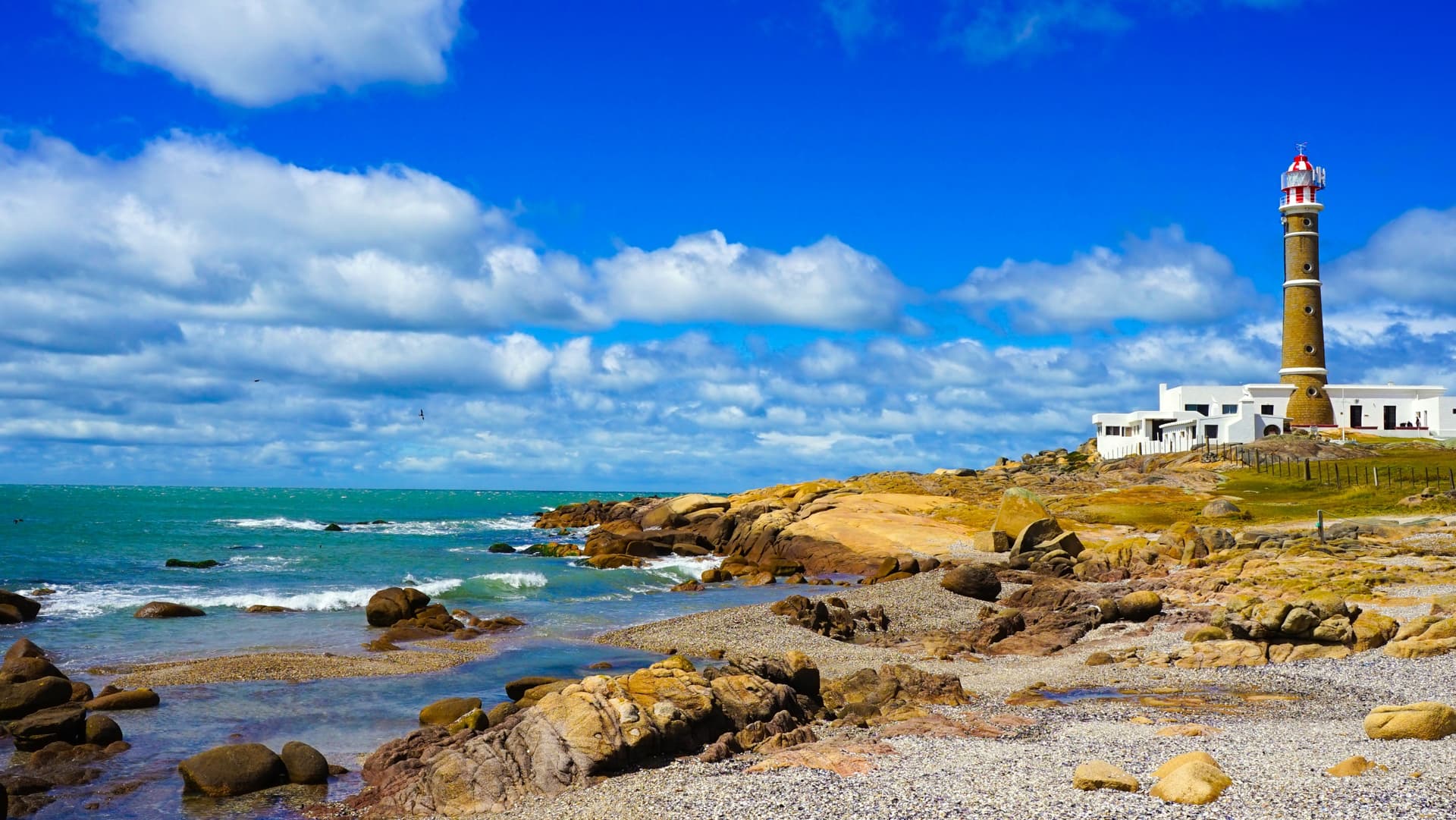
Atlantic Coast
220 kilometers of shoreline where you transition in two hours of driving from the marinas of Punta del Este to the electricity-free dunes of Cabo Polonio.
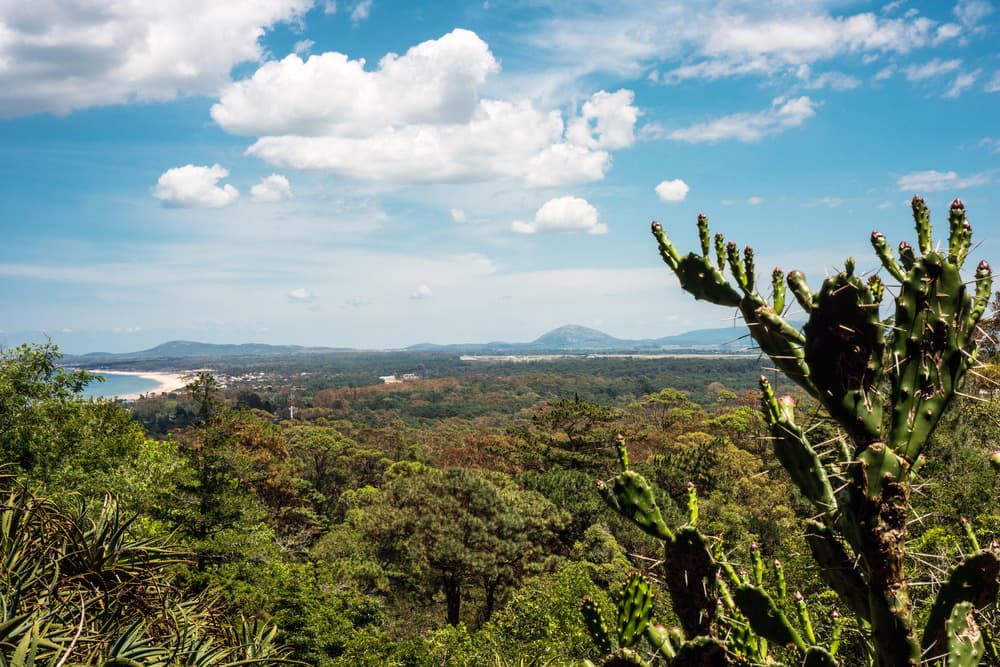
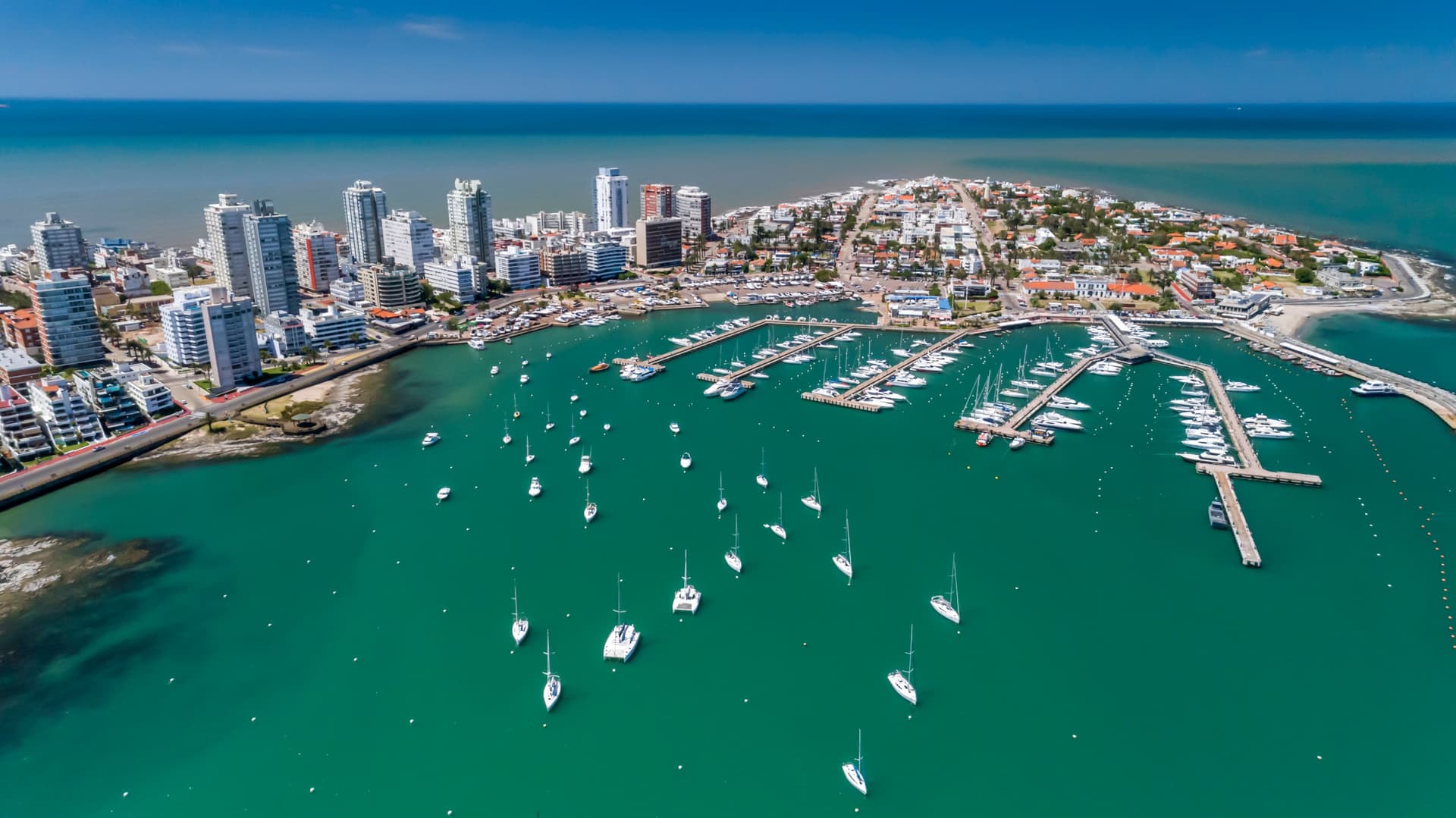
Uruguay's Atlantic coast stretches nearly 220 kilometers between Punta del Este and Chuy, at the Brazilian border. Along this strip of land, the landscape transforms every 50 kilometers: marinas and residential towers at Punta del Este, rocky coves at La Barra, shifting dunes at Cabo Polonio, long stretches of gray sand beach at Punta del Diablo. We regularly travel Route 10, then Route 9 further inland, to connect these villages that share the same ocean facade but each cultivate their own identity.
Punta del Este remains the country's historic beach resort, founded in the early 1900s and becoming in the 70s the gathering place of Argentine and Brazilian high society. In January and February, the population swells from 10,000 to more than 150,000 residents, accommodation prices double or triple, and you must reserve tables at restaurants in La Mansa or the port several days in advance. The sculpture of La Mano de Punta del Este, emerging from the sand of Playa Brava, has served as a landmark since 1982. Fifteen minutes' drive east, José Ignacio has retained the scale of a fishing village turned discrete enclave, with its 1877 lighthouse and beachside parillas like La Huella.
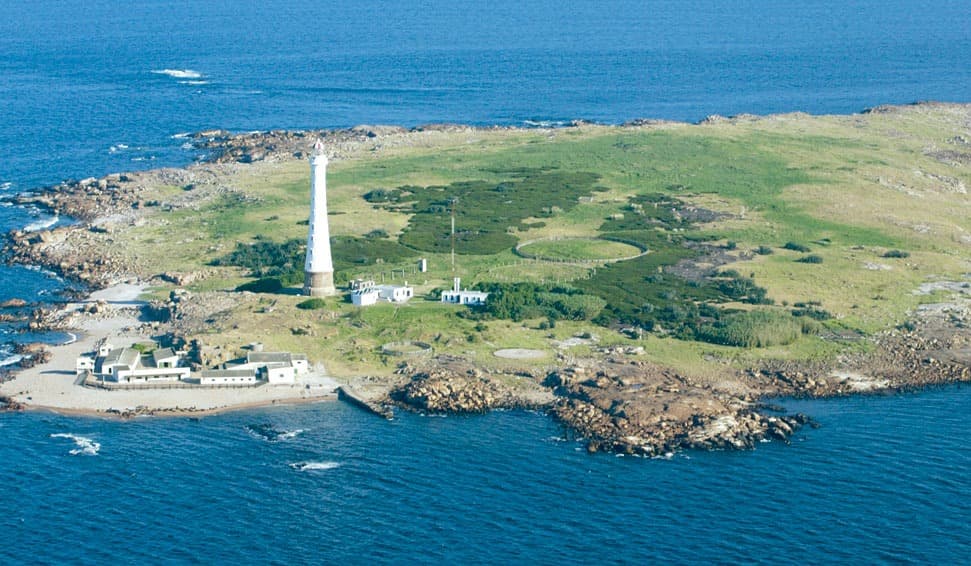
Further east, the pace slows. La Paloma and La Pedrera, in the Rocha department, attract surfers and Uruguayan families attached to an unpretentious atmosphere. La Pedrera hosts its carnival each February, one of the most well-attended in the country after Montevideo's. Cabo Polonio marks the turning point: you leave your car at the entrance to the national park, climb into a 4x4 truck that crosses seven kilometers of dunes, and arrive at a hamlet without conventional electrical grid, powered by solar panels and generators. The lighthouse, operational since 1881, overlooks the country's second sea lion colony, approximately 2,000 individuals according to counts conducted by Dinara.
Punta del Diablo closes the chapter, some twenty kilometers from the Brazilian border. A former shark-fishing village through the 1990s, it now thrives on largely Uruguayan and Argentine tourism, with wooden cabañas on the dune. Santa Teresa National Park, just to the south, shelters an 18th-century colonial fortress built by the Portuguese then seized by the Spanish, and 3,000 hectares of planted forests that descend to the sea. It's one of the rare spots on the coast where you sleep in the shade of eucalyptus trees 200 meters from the ocean.
The cuisine reflects this geography: chivito al plato, asado de tira in family parillas, and above all fresh fish depending on the season—brótola, corvina, pejerrey—often served with salsa criolla. Fishermen from Punta del Diablo and José Ignacio still put out in boats from the beach, a technique you can observe at dawn while walking along the sand. As for drinks, tannat remains the emblematic grape, but mate accompanies the entire coast, thermos in hand, from morning to sunset.
Our team in Montevideo organizes these itineraries keeping in mind that the coast is not visited as a succession of boxes to check. Choosing between the bustle of Punta del Este, the slowness of Cabo Polonio and the isolation of Punta del Diablo already defines the pace of your journey.
To discover
Cabo Polonio by 4x4 and sea lions. Seven kilometers of dunes crossed by all-terrain truck from Route 10, then a village without grid electricity and 2,000 sea lions gathered at the foot of the 1881 lighthouse.
José Ignacio and its lighthouse. Fishing village turned discrete enclave between Playa Mansa and Playa Brava, where you dine with your feet in the sand at La Huella after a day at the beach.
La Pedrera Carnival in February. Three days of parades and murgas through the streets of this surf village, one of the most lively gatherings on the coast outside Montevideo.
Santa Teresa Fort. Portuguese fortress from the 18th century set within a 3,000-hectare national park, a few kilometers from Punta del Diablo and the Brazilian border.
Punta del Este viewed from Isla de Lobos. Half-day boat excursion to the sea lion island off the peninsula, which hosts the largest eared seal colony in South America.
When to go
The beach season runs from December through March, with ocean temperatures between 20 and 22°C in January and February, air temperatures around 26 to 30°C during the day, and sustained sunshine. It's also the most crowded and expensive period, particularly the two weeks from late December to January 10 when Punta del Este is fully booked. We often recommend November, mid-March and early April: temperatures remain between 22 and 26°C, the ocean is still swimmable around 18 to 20°C, and the villages regain their calm.
From June to September, the southern winter brings temperatures of 8 to 14°C, strong winds from the southwest, the pampero, and short days. Most cabañas and restaurants in Cabo Polonio, La Pedrera and Punta del Diablo close, and the offering is then limited to Punta del Este. This is a coast you can visit in winter for its stripped-down landscapes and southern right whale watching off La Paloma between July and October, but it's a completely different journey.
Practical advice
We recommend a minimum of 5 days to travel the coast from west to east without rushing: 1 night in Punta del Este or José Ignacio, 2 nights in Cabo Polonio or La Pedrera to soak in the local rhythm, 2 nights in Punta del Diablo with a day at Santa Teresa park. Entry is from Montevideo airport 130 kilometers from Punta del Este, roughly 1 hour 45 minutes drive via the ruta Interbalnearia. Laguna del Sauce airport, 20 kilometers from Punta del Este, operates mainly in high season with connections from Buenos Aires.
The coast naturally combines with Montevideo and the south, at the beginning or end of your stay, and with the Rocha region and its lagoons if you want to venture inland, observe birds at Laguna de Rocha or horseback ride in nearby estancias. Comfort levels range from design boutique hotels at José Ignacio to rustic cabañas at Cabo Polonio without permanent hot water: we calibrate accommodations according to your expectations. This coast suits the contemplative, families with children comfortable on sometimes windy beaches, and travelers who enjoy changing ambiance every two days without leaving the country.