Rocha Department
Between the Atlantic and Laguna Merín, Rocha department brings together wild coasts, Ramsar-designated wetlands and authentic villages such as Cabo Polonio and Punta del Diablo.
Rocha department occupies the southeastern corner of Uruguay, between the Atlantic Ocean and Laguna Merín. Wild coasts, dunes, yatay palm forests and Ramsar-designated wetlands make it one of the country's best-preserved natural regions. The town of Rocha, the departmental capital, serves as a base for exploring a coastline stretching over 200 kilometres.
Practical information at a glance
- Access: National Route 9 from Montevideo (approximately 220 km); long-distance buses from Tres Cruces terminal.
- Recommended duration: 3 to 7 days to combine beaches, lagoons and reserves.
- Best time to visit: December to March for beaches; April–May and September–October for wildlife and tranquility.
- What to wear: No particular restrictions; bring sun protection and footwear suitable for dunes.
What to see
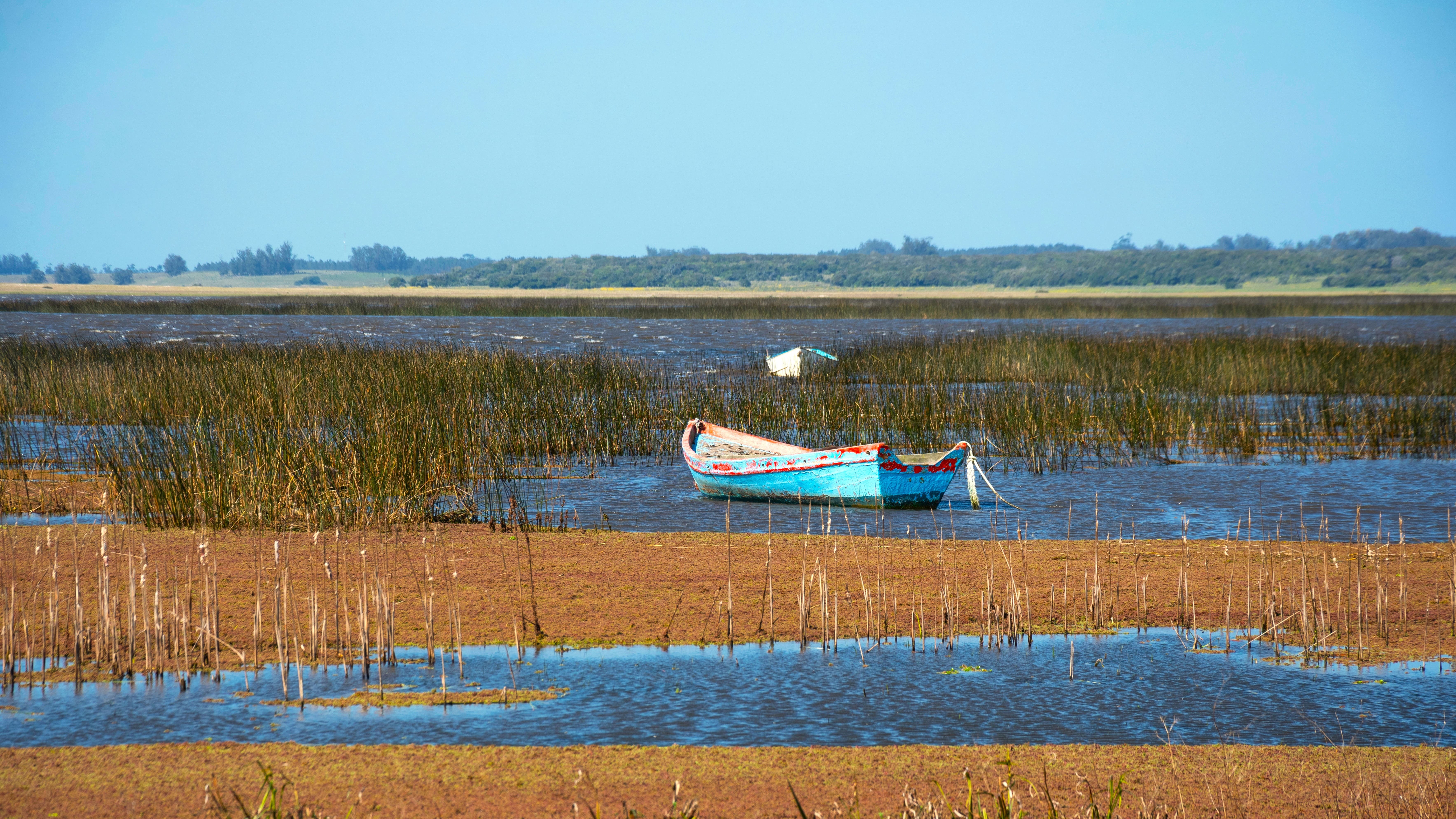
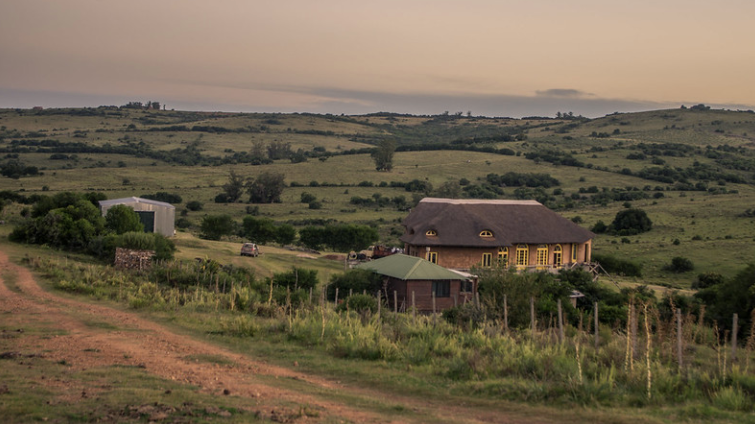
Rocha concentrates several distinct ecosystems. The beaches of La Paloma, La Pedrera and Punta del Diablo attract surfers and families alike. Laguna de Rocha, separated from the ocean by a dune ridge, is home to flamingos, spoonbills and caimans. The Reserva de Biosfera Bañados del Este protects wetlands of international significance. Inland, traditional estancias continue age-old extensive livestock farming.
History and context
Established as a department in 1880, Rocha long remained apart from the mass tourism development that transformed Punta del Este. This relative isolation explains the exceptional conservation state of its coasts. Parque Nacional Santa Teresa, built around an 18th-century Portuguese colonial fortress, illustrates the layered military and natural heritage of the region.
Highlights of your visit
Cabo Polonio
A village without mains electricity, accessible only by 4×4 or on foot through the dunes. A sea lion colony inhabits the rocks at the base of the lighthouse. The absence of artificial lighting makes it a remarkable stargazing site.
Laguna de Rocha
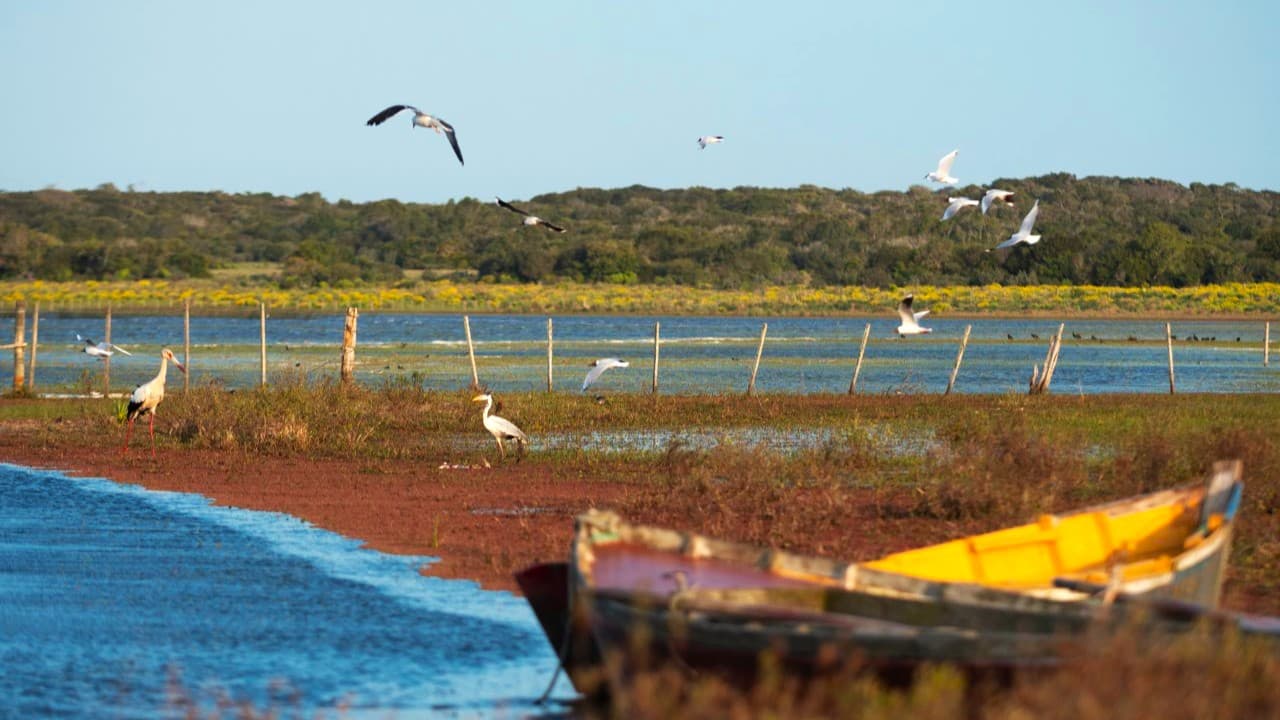
A protected wetland where the lagoon periodically communicates with the Atlantic. Kayaking or walking tours allow observation of dense birdlife: herons, ibis, ducks and raptors share space with flamingos in season.
Parque Nacional Santa Teresa
The park combines an 18th-century colonial fortress, botanical gardens and a long, uncrowded beach. Marine turtles come ashore to nest on this coastline between November and March.
Punta del Diablo
A fishing village turned bohemian destination. Colourful boats stand alongside guesthouses and fresh seafood restaurants. The atmosphere remains more authentic than nearby beach resorts.
Photography tips
The golden light of late afternoon on Cabo Polonio's dunes is particularly photogenic. For lagoon wildlife, favour early morning. At Santa Teresa, the contrast between the fortress and tropical vegetation works well in blue hour. Avoid flash near sea lions and turtle nests.
Location and access
Rocha lies approximately 220 km east of Montevideo via Route 9. Regular buses connect the capital to the departmental capital and main beach towns. A car remains the most flexible way to link dispersed sites. Access to Cabo Polonio requires a 4×4 transfer from a dedicated car park on the national route. Accessibility for people with reduced mobility is limited in dune zones and natural trails.
Nearby attractions
- Cabo Polonio — off-grid village, dunes and sea lion colony.
- Punta del Diablo — laid-back fishing village, close to the Brazilian border.
- Parque Nacional Santa Teresa — colonial fortress, gardens and turtle nesting beach.
- La Paloma — main beach resort in the department, pleasure port and surf spot.
- Laguna de Rocha — Ramsar wetland, kayaking and birdwatching.
Frequently asked questions
December to March to enjoy beaches and warm weather. April–May and September–October offer fewer crowds, lower prices and more active wildlife in the lagoons.
Buses serve major towns from Montevideo, but a rental car greatly eases travel between scattered sites. Access to Cabo Polonio remains subject to a mandatory 4×4 transfer.
Yes, primarily between November and March on the beaches of Parque Nacional Santa Teresa. Monitoring programmes guide observations to avoid disturbing nesting.
It is possible to reach it on foot through the dunes from the national route, but the journey is long and physically demanding. Most visitors opt for the organised 4×4 transfer from the official car park.
Yes. La Paloma and Punta del Diablo offer family-friendly beaches. Parque Nacional Santa Teresa has campsites and visitor facilities. Dune zones and natural trails, however, require a good level of fitness.