Río Negro Department
Río Negro, in western Uruguay, is home to Fray Bentos and its Anglo refrigeration complex, a UNESCO World Heritage site — a rare testament to the 19th-century agro-industrial revolution.
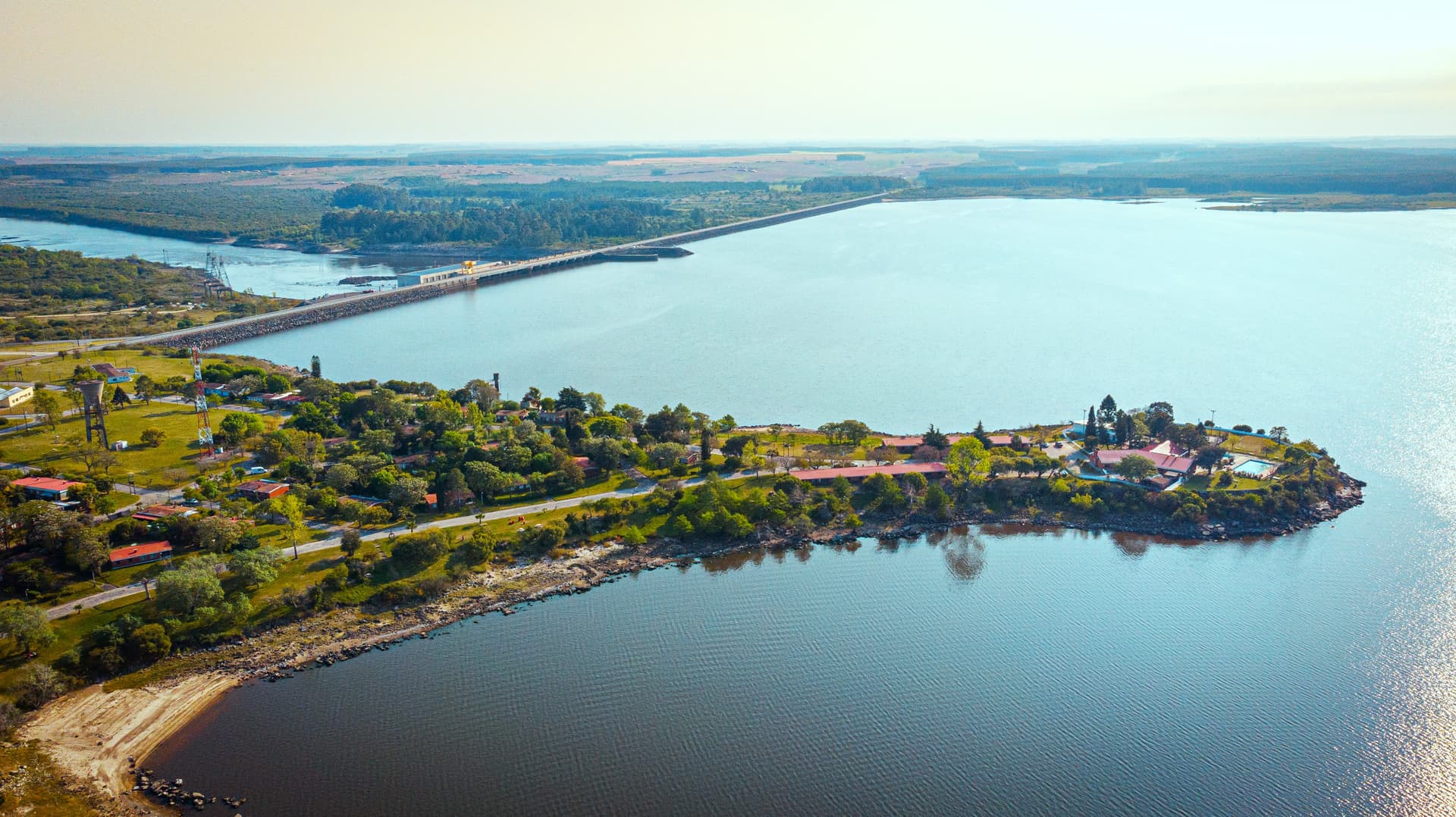
Río Negro is a department in western Uruguay, bordered by the Uruguay River to the west and crossed by the río Negro to the south. Its capital, Fray Bentos, concentrates most of the tourist appeal: industrial heritage listed by UNESCO, a lively riverfront and countryside typical of the Uruguayan Pampas.
Practical information at a glance
- Access from Montevideo: approximately 300 km via Route 2, by bus or car.
- Access from Buenos Aires: ferry crossing to Fray Bentos from Puerto Unzué (Argentina), via the General San Martín international bridge.
- Recommended duration: 1 to 2 days for Fray Bentos and its immediate surroundings.
- Currency: Uruguayan peso (UYU).
What to see
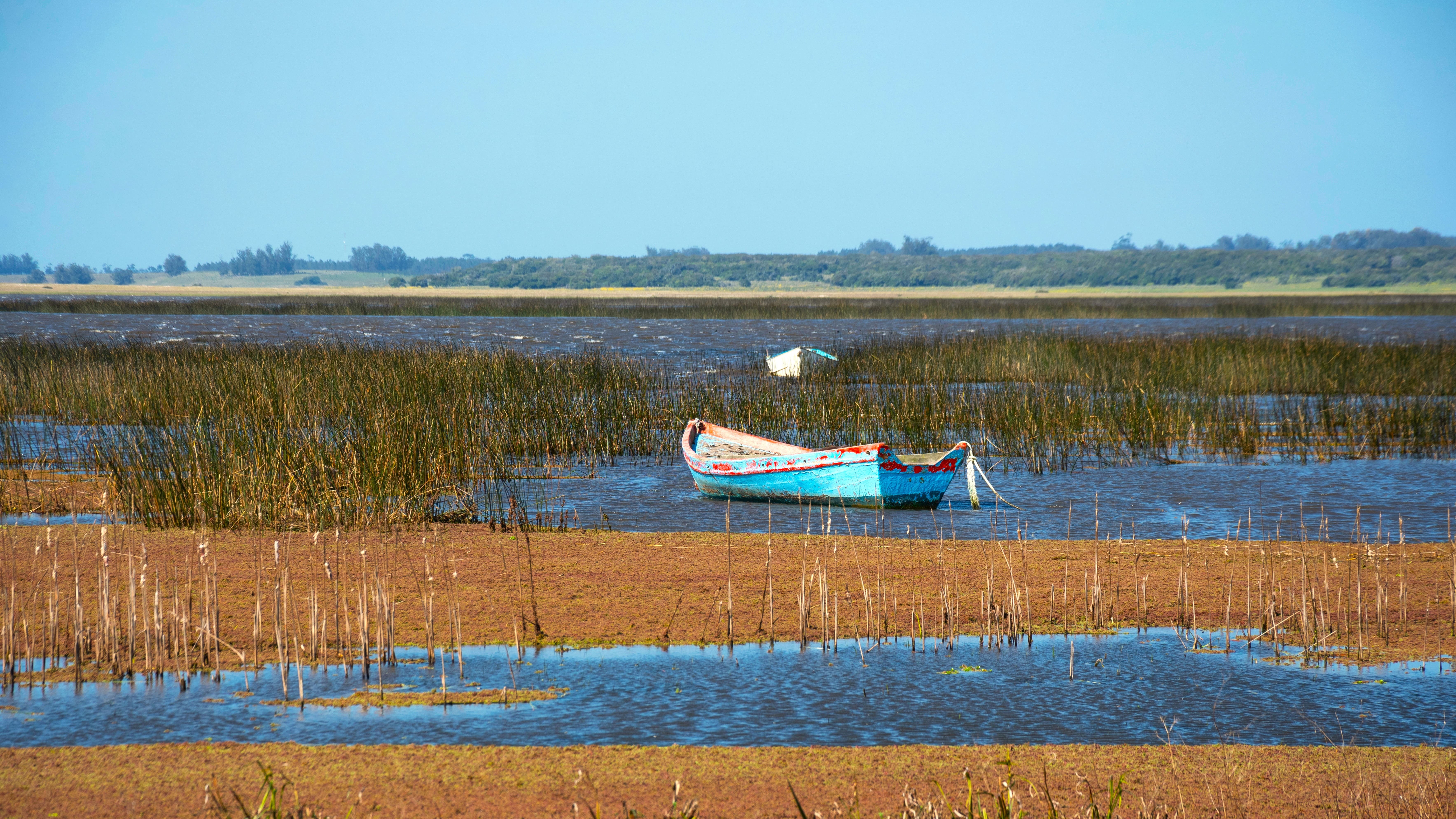
The department stands out for two complementary faces. On one hand, Fray Bentos and its Industrial Cultural Landscape inscribed as a UNESCO World Heritage site in 2015 — the former Anglo refrigeration complex. On the other, a countryside of estancias, soya cultivation and cattle farming that illustrates Uruguayan rural economy.
History and context
Fray Bentos owes its worldwide renown to the Liebig factory, founded in 1863, which produced Liebig's meat extract and then Fray Bentos canned goods exported throughout the world. The Anglo complex, which succeeded it, operated until 1979. This site bears witness to the industrial revolution applied to agro-industry and Uruguay's integration into 19th-century global trade networks.
Highlights of the visit
The Museum of Industrial Revolution (Museo de la Revolución Industrial)
Housed in the original buildings of the Anglo complex, this museum preserves the machinery, production lines and archives of the factory. Guided tours allow you to explore the workshops, boiler room and refrigerated warehouses, which remain virtually intact.
The Fray Bentos riverfront
The costanera runs along the río Uruguay for several hundred metres. Fine sandy beaches, picnic areas and sport fishing animate this riverside, particularly busy in summer by Uruguayan families.
The General San Martín international bridge
This road bridge connects Fray Bentos to Puerto Unzué in Argentina. It constitutes a strategic crossing point between the two countries and offers a clear view of the Uruguay River.
Photography tips
The Anglo complex lends itself to industrial photography: raking light in the late afternoon in the large metal halls, shadows playing on machinery. The riverfront offers beautiful light at sunrise. Check the rules for photography inside the museum before taking pictures.
Location and access
Fray Bentos is located in western Uruguay, on the east bank of the río Uruguay. Route 2 connects Montevideo directly to Fray Bentos. Regular bus services serve the city from the capital. The General San Martín bridge allows entry from Argentina. The city centre and Anglo complex are accessible on foot from the costanera.
Nearby
- Mercedes — capital of the neighbouring Soriano department, known for its carnival and río Negro riverfront.
- Paysandú — major city to the north, approximately 100 km away, with a neo-Gothic cathedral and history museum.
- Colonia del Sacramento — UNESCO World Heritage site, accessible by continuing south-east.
Frequently asked questions
EU nationals and many other countries do not need a visa for Uruguay. Check entry requirements with the Uruguayan embassy according to your nationality.
An entrance fee is required to visit the Anglo complex. Exact pricing should be confirmed on site or with the Fray Bentos tourism office.
Spring (October-November) and autumn (March-April) offer pleasant temperatures. Summer (December-February) is warm and lively on the riverfront, but can be very sunny.
Yes. Fray Bentos fits well into a western circuit: Colonia del Sacramento to the south, Paysandú to the north, or a crossing to Argentina via the General San Martín bridge.
Sport fishing on the río Uruguay is popular. The estancias in the area sometimes offer farm stays with horseback riding and discovery of cattle farming.