Cerro Largo
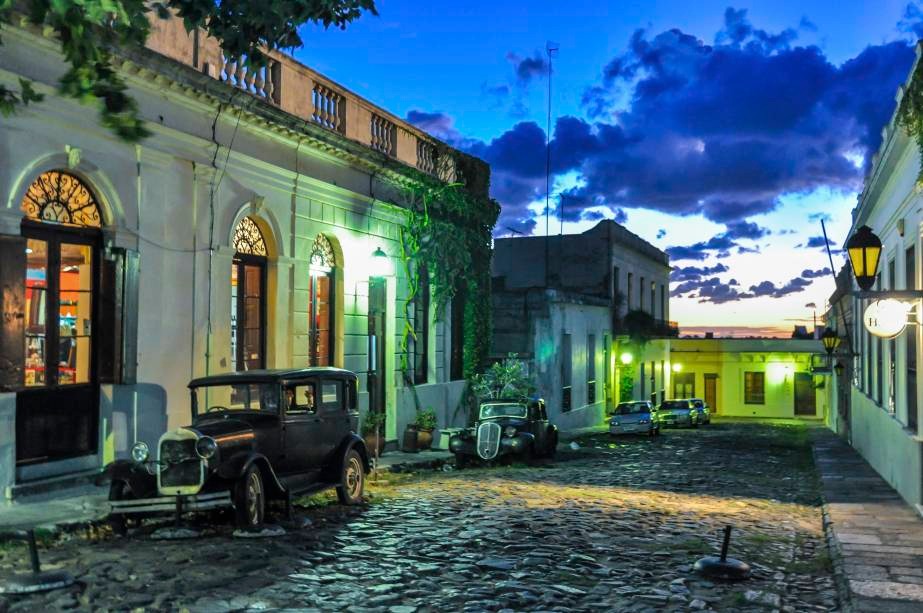
If you choose to travel to eastern Uruguay, Cerro Largo will transport you to a territory still preserved from mass tourism. You'll discover a region shaped by its proximity to Brazil, where gaucho traditions are lived daily.
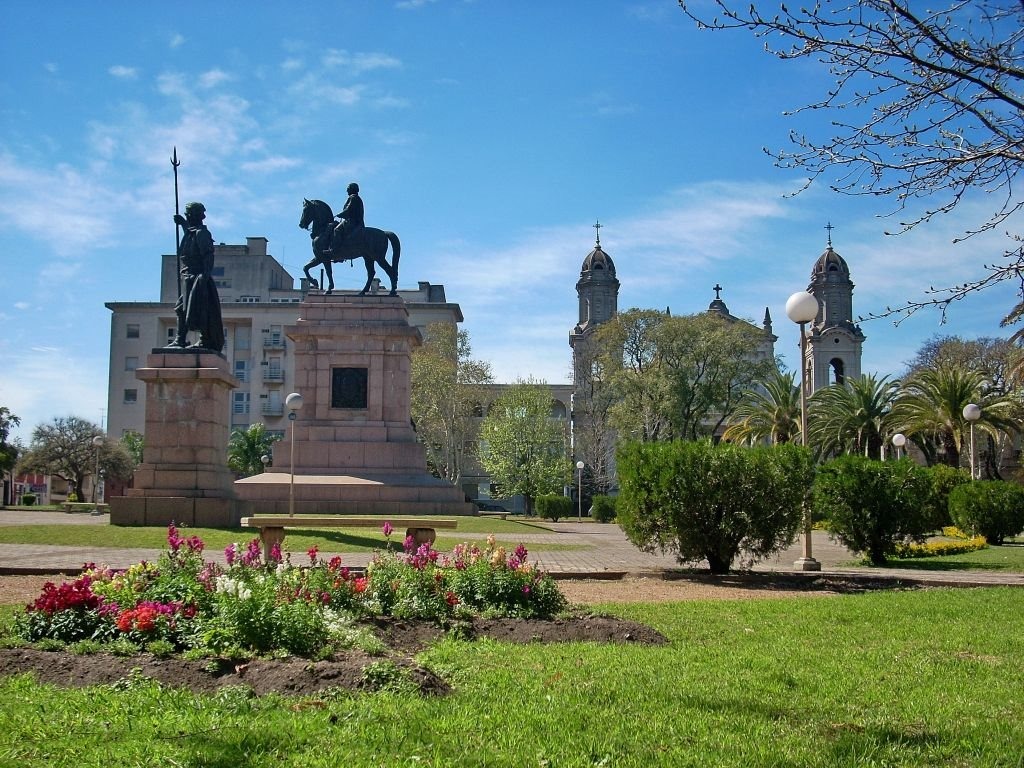
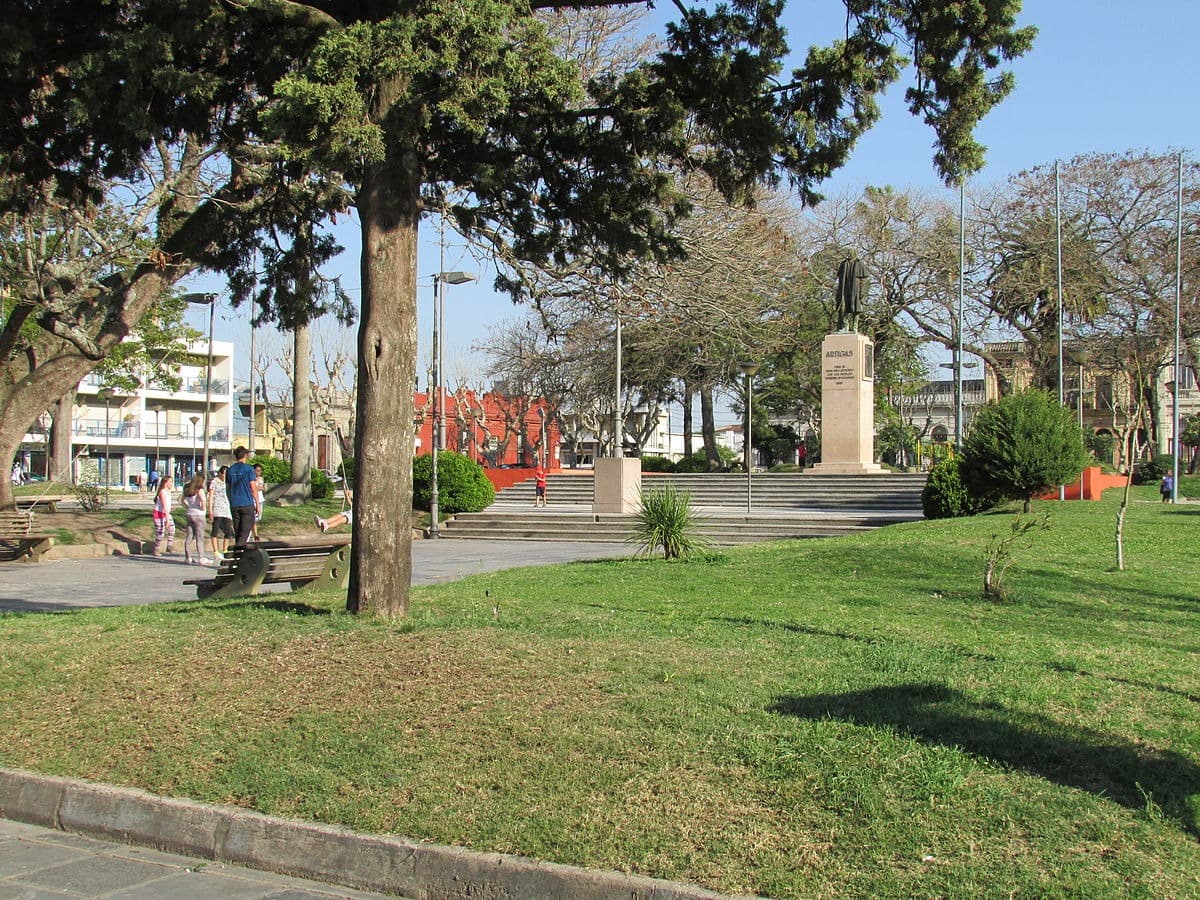
If you choose to travel to eastern Uruguay, Cerro Largo will transport you to a territory still preserved from mass tourism. You'll discover a region shaped by its proximity to Brazil, where gaucho traditions are lived daily. In Melo, its capital, you'll have the opportunity to stroll through plazas, visit its museums, and feel the tranquil atmosphere of a countryside town. As you explore the surroundings, you'll share mate with locals, attend popular festivals, and enjoy the vast expanses of the pampas.
History
In 1795, Captain Agustín de la Rosa founded Villa de Melo to protect the region against Portuguese and indigenous attacks. From its inception, this border zone became a space of conflict and rivalry, where Spanish, Portuguese, and local inhabitants clashed.
In the 19th century, Cerro Largo found itself at the heart of struggles for independence and revolutions that swept through the region. Portuguese invasions in 1801, 1811, and 1816 left lasting marks on the territory. Melo served as headquarters for Lavalleja's troops and hosted in 1830 the swearing of the Constitution, a founding moment for the young nation.
The following decades saw a multiplication of local initiatives: early censuses, construction of religious and civil buildings, battles such as the one at Arbolito in 1897. The region gradually asserted its identity by combining its Spanish roots with influences from Brazil, especially in localities near the border.
In the mid-19th century, the Chuy post office symbolized this pioneering era. Used as an inn and toll station for stagecoaches, it remains today a national monument.
In the 20th century, Cerro Largo also established itself as a land of culture. The poetess Juana de Ibarbourou embodied its literary influence. Other writers and artists, as well as folk singer Tabaré Etcheverry, strengthened this identity, giving the region an enduring place in the country's cultural memory.
Cerro Largo at a Glance
You'll find Cerro Largo in northeastern Uruguay, approximately 390 km from Montevideo. Its capital, Melo, is a city that concentrates the department's administrative and cultural activity.
With an area of 13,648 km², it ranks as the country's fourth largest department. It shares borders with Rivera and Tacuarembó to the north, Durazno to the west, and Treinta y Tres to the south. To the east, it is bordered by Lake Merín and by a long terrestrial border with Brazil, which directly influences its culture and trade.
It is home to nearly 86,500 inhabitants, distributed between Melo and numerous rural localities. The economy relies primarily on cattle and sheep ranching, but also on agriculture. Rice, corn, wheat, soy, fruits, and citrus occupy an important place in local production.
Climate
The local climate remains temperate and humid throughout the year. Average temperatures range between 17 and 18 °C, and annual precipitation reaches 1,100 to 1,200 mm. These conditions often result in heavy rainfall and, at certain times, local flooding.
Must-See Attractions in Cerro Largo
Posta del Chuy
This is a museum that traces the history and traditions of the region. This place immerses you in the daily life of former inhabitants through objects, customs, and stories that highlight indigenous and colonial heritage.
You'll discover varied exhibitions, enriched by guided tours offered by a passionate team. The setting is both cultural and natural.
Melo Cathedral
Discover a cathedral that holds a central place in the history and spiritual life of the community. Completed in the early 20th century, it reflects the neoclassical style of its era, with an imposing façade and elegant columns.
Inside, colorful stained glass windows create an atmosphere conducive to reflection. More than a place of worship, this cathedral represents a true cultural landmark for residents. It hosts ceremonies and gatherings.
You can also continue your visit through the surrounding streets.
Zorrilla de San Martín Park
As you stroll along the Conventos stream, don't miss the Zorrilla de San Martín Park. It's a space that blends nature and culture. You'll notably see an old road roller, a vestige of the past, as well as a play area that makes it a beloved spot for families.
The Toad Spring
You can also stop at the Toad Spring. This place owes its name to the numerous amphibians that live there and is surrounded by stories passed down through generations. Enjoy a verdant and peaceful setting, ideal for a walk or contemplative pause. It's an original stop to better understand the region's history and traditions.
From Montevideo, reach Cerro Largo by following National Route 8, which directly connects the capital to Aceguá, a border town with Brazil. You can also take National Route 7, known as Aparicio Saravia, which also departs from Montevideo and reaches Centurión, crossing Route 8 at Melo.
Once in the region, several road networks facilitate your travel:
- to the north, Route 44 connects Melo to Rivera via Route 6;
- to the west, Route 6 crosses Treinta y Tres, Cerro Largo, and Rivera;
- to the east, Route 26 connects Paysandú to Melo;
- to the south, Route 18 ensures the link with Treinta y Tres.