Canelones
Canelones is Uruguay in relaxation mode. Just a few kilometers from Montevideo, this region whisks you away for an extraordinary escape. Whether for a short stay or a day trip from the capital, this region unveils a mosaic of accessible and welcoming places. On the agenda: chat about wine with vintners in their cellars, walk on beaches with the scent of the sea, and settle into a small plaza to savor a coffee. A complete overview of the experiences to discover on site.
Canelones is Uruguay in relaxation mode. Just a few kilometers from Montevideo, this region whisks you away for an extraordinary escape. Whether for a short stay or a day trip from the capital, this region unveils a mosaic of accessible and welcoming places. On the agenda: chat about wine with vintners in their cellars, walk on beaches with the scent of the sea, and settle into a small plaza to savor a coffee. A complete overview of the experiences to discover on site.
Its history
Colonists settled in Canelones as early as 1726. In 1774, families from the Canary Islands and Galicia strengthened the community. On April 24, 1783, Viceroy Juan José de Vértiz y Salcedo officially founded the Villa de Nuestra Señora de Guadalupe, already equipped with a chapel, a church, and about sixty houses.
In 1811, José Artigas positioned his troops here before the Battle of Las Piedras. Two years later, he made the Villa the capital of the Oriental Province. In 1815, he enacted a regulation that redistributed land, abolished slavery, and promoted education with the opening of the first library.
On January 27, 1816, the Montevideo city government created the Canelones department. In 1828, the Constituent Assembly adopted the national flag here. The railroad arrived in 1872, Parque Artigas opened in 1892, and in 1916, a law proclaimed Canelones as a city.
A little geography
In southern Uruguay, Canelones is one of the country's nineteen departments. Its capital bears the same name, while Ciudad de la Costa is its most populous city. With nearly 609,000 inhabitants in 2023, it ranks second nationally, behind Montevideo, in both population and density.
This department holds a strategic position. It shares borders with Florida to the north, Lavalleja and Maldonado to the east, San José to the west, and Montevideo to the southeast. The Santa Lucía River marks part of its boundaries, while the Río de la Plata opens onto 65 kilometers of beaches. This privileged location makes it both a productive center—the country's second agricultural department and the capital's primary supplier—and a year-round tourist destination thanks to an efficient road and air network.
Where is Canelones located?
It is situated west of the department it shares its name with, on the banks of the Canelón Chico stream. It occupies a strategic location at the crossroads of national routes 5, 11, and 64. Integrated into the Montevideo metropolitan area, it lies just 28 kilometers from the capital's departmental boundary and approximately 40 kilometers from its center.
Why visit Canelones?
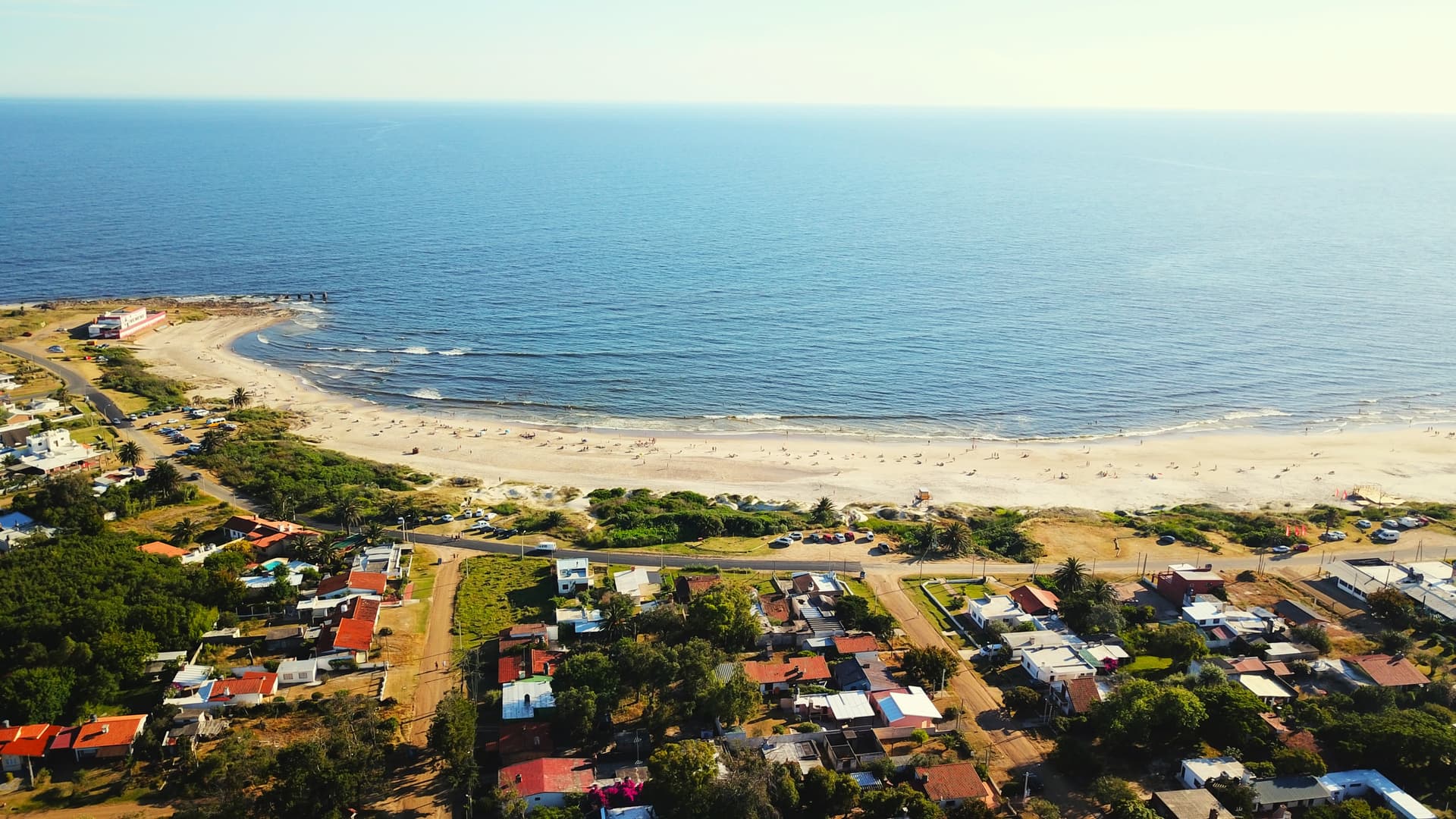
This South American destination attracts visitors first and foremost for its coastline, the Costa de Oro. It extends across more than thirty beach resorts. You'll find varied beaches, some peaceful, others more lively, always equipped to welcome visitors. Among the most popular, Atlántida, Parque del Plata, La Floresta, and Cuchilla Alta offer sports activities, beach bars, and amenities accessible to everyone.
The department also captivates with its cultural heritage. The Cristo Obrero church, designed by engineer Eladio Dieste and inscribed in UNESCO's World Heritage list, is an unmissable stop. This audacious masterpiece of modern architecture attracts curious travelers from around the world.
Canelones also represents the heart of wine tourism in Uruguay. More than 60% of the country's vineyards are located here, where notably the tannat, an emblematic varietal, is cultivated. In a convivial atmosphere, family estates welcome visitors for tastings, traditional meals, music, and sometimes even performances.
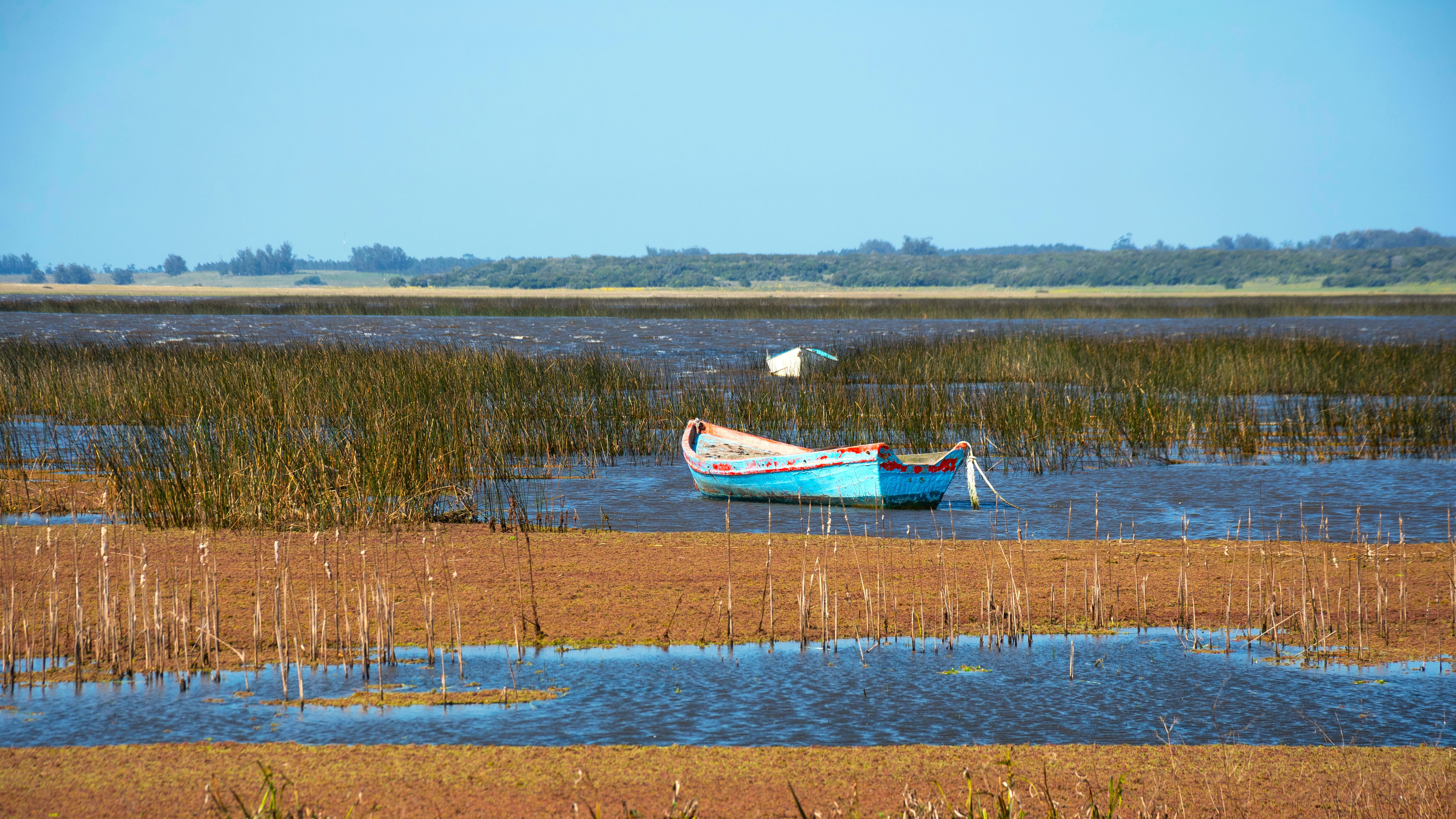
Beyond beaches and wineries, the countryside opens other horizons. You can explore rural tourism and discover sustainability-focused initiatives such as the Santa Lucía trails or the "Water and Life" circuit around Laguna Cisne.
Finally, life here is punctuated by an events calendar that animates the region year-round. Festivals, popular celebrations, sports competitions, and gastronomic gatherings create a warm and festive atmosphere that appeals to both residents and passing visitors.
Climate
During your adventure in Canelones, enjoy a humid subtropical climate, typical of temperate zones. The average annual temperature hovers around 18°C.
Contrasts remain moderate. In January, the warmest days average 29°C, while in June, the lowest temperatures drop to around 9°C. You can thus plan both summer beach stays and milder escapes during the Southern Hemisphere winter.
Rainfall is regular but rarely excessive. Approximately 77 rainy days are recorded annually. January remains the driest month, with around 67 mm, while August is more humid, with nearly 116 mm. These variations rarely disrupt activities since showers are often brief and quickly followed by sunshine.
When to visit?
To discover this destination in the best conditions, prioritize a stay in January or March, when the climate favors excursions and relaxation by the sea.
To reach this department from Montevideo, take a bus that quickly connects the capital to the department. From Argentina, the most economical choice remains the bus, while the ferry to Montevideo is the fastest option. You can also arrive by plane in Montevideo, then continue by bus or rental car depending on your itinerary.