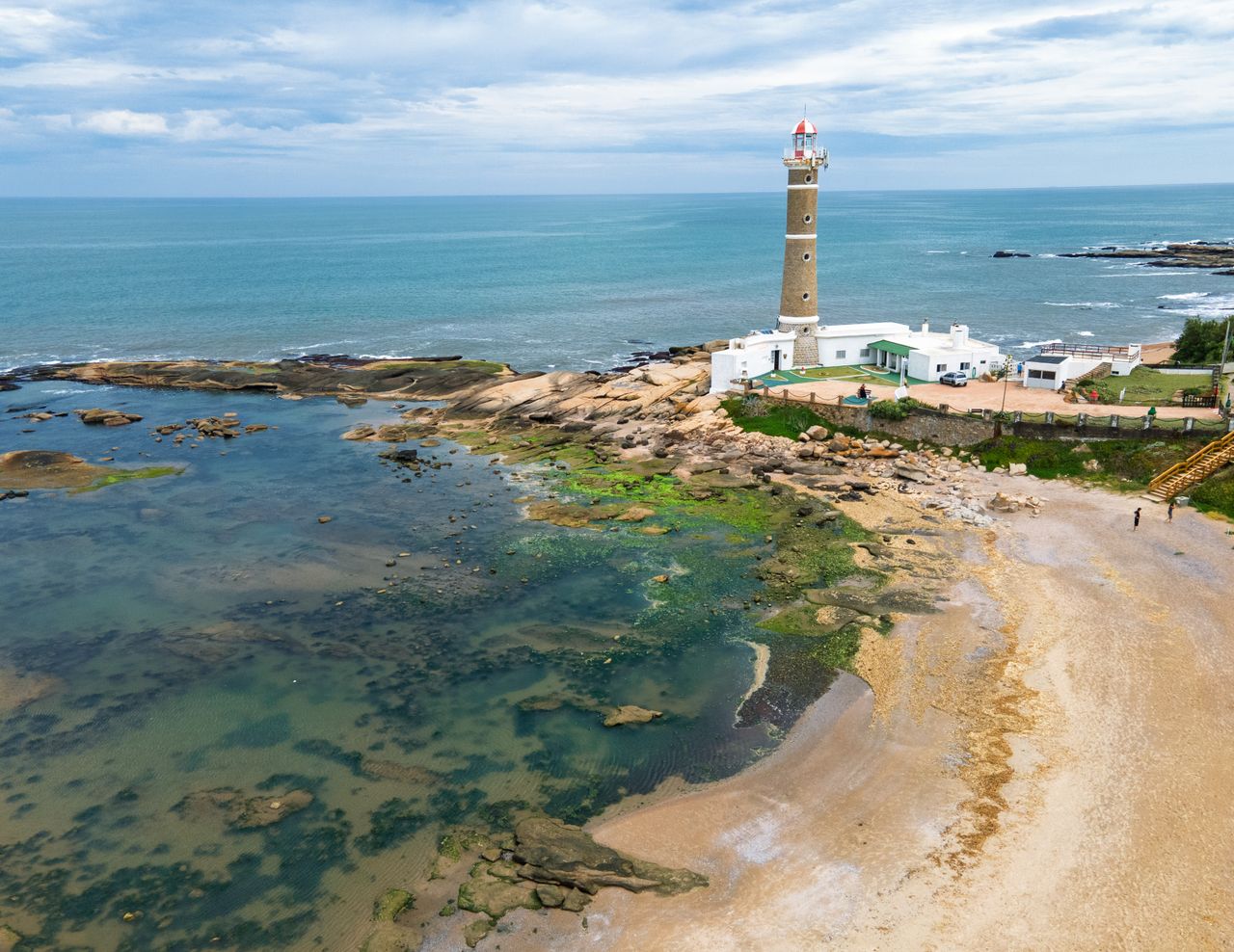
Pointe Du Diablo
A fishing village on the Rocha coast, Punta del Diablo captivates with its sandy beaches, colorful boats, and refreshingly unpretentious atmosphere, where Atlantic waves and nature reign.
Punta del Diablo is a fishing village situated on Uruguay's Atlantic coast, in the department of Rocha, just kilometers from Santa Teresa National Park. Long frequented by locals alone, this settlement of wooden houses and sand-swept streets now draws travelers and surfers seeking an unspoiled stretch of coastline. The atmosphere remains deliberately unhurried: no large hotels, cabañas scattered among the dunes, and a lively main beach facing the ocean.
Quick Reference Guide
- Access: Bus from Montevideo or Chuy with connections at Castillos or La Paloma; National Route 9 by car.
- Season: Peak season from December to February; in off-season, many businesses close.
- Recommended duration: Two to four days to enjoy the beaches and surroundings.
- Dress code: No particular constraints; wear appropriate footwear for walking on sand.
What to See
The village centers around three main beaches separated by rocky outcrops. The central beach, most lively, concentrates fish restaurants and board rental shops. The northern and southern beaches remain quieter, bordered by dunes covered in low vegetation. Fishing boats are hauled onto the sand each morning, and fresh fish is sold directly on the beach in an informal arrangement based on the day's catch.
History and Context
Until the 1990s, Punta del Diablo was a virtually unknown fishing hamlet. Argentine and Uruguayan alternative tourism gradually transformed it without erasing its original character. Construction remains low-rise, often wooden, and local authorities have long restricted major real estate projects to preserve the place's identity.
Highlights of a Visit
Beaches and Surfing
Atlantic swells make Punta del Diablo an appreciated surf spot. The northern beach offers more consistent conditions for beginners; the southern beach, more exposed, suits experienced surfers. Lessons and equipment rentals are available in season.
Sunset Over the Rocks
The rocky outcrops separating the beaches provide the best vantage point at day's end. The slanting light across the ocean and fishing boats create photographs without effort.
Artisanal Fishing
Early morning brings fishermen hauling in their nets. Some welcome curious onlookers on the shore. The direct sale of corvina, squid, or langoustine happens informally according to the day's catch.
Photography Tips
Morning light is ideal on the central beach when boats still rest on damp sand. Late afternoon is best spent on the rocks between beaches to capture golden reflections on the water. No known photography restrictions exist in the village.
Location and Access
Punta del Diablo lies in the department of Rocha, approximately 300 kilometers east of Montevideo via National Route 9. The village is reachable by bus from the capital with a connection at Castillos. By car, the road is fully paved to the village entrance; internal streets are sand. The Santa Teresa National Park is located a few kilometers to the north.
In the Area
- Santa Teresa National Park — coastal forest, lagoons, and a Portuguese colonial fortress accessible by bike or car.
- Cabo Polonio — village without public grid electricity, accessible only by 4x4, home to a sea lion colony.
- La Paloma — a more developed beach town and convenient starting point for exploring the Rocha coast.
Frequently asked questions
December to February for activity and swimming. In March–April, the village quiets but remains pleasant and more affordable. Outside peak season, many restaurants and accommodations close.
Yes, both sites lie on the same coast. Cabo Polonio is approximately 50 kilometers to the southwest. Spending two nights at each location is a common itinerary.
ATM access is limited in the village. Plan to bring sufficient cash before arriving, especially during off-season.
The northern beach offers gentler waves suited to beginners. Local schools offer lessons during peak season.
By car, the park is accessible in minutes heading north. Without a vehicle, a taxi or rental bike from the village are the most practical options.
Want to discover this destination?
Our local advisors design your tailor-made trip.