Maldonado Department
The Maldonado department concentrates Uruguay's most celebrated beaches, from Punta del Este to José Ignacio, blending colonial architecture, art and Atlantic landscapes.
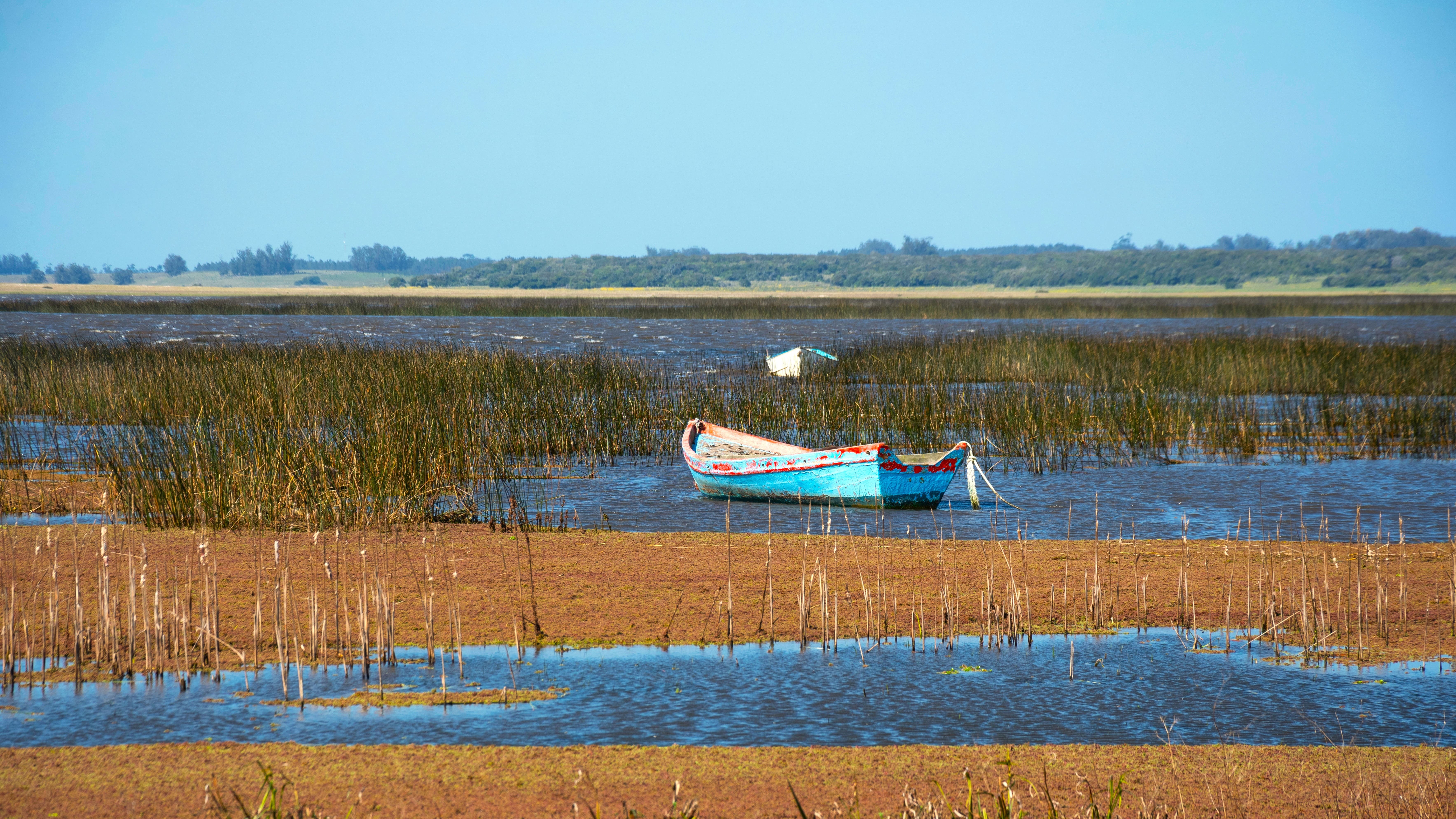
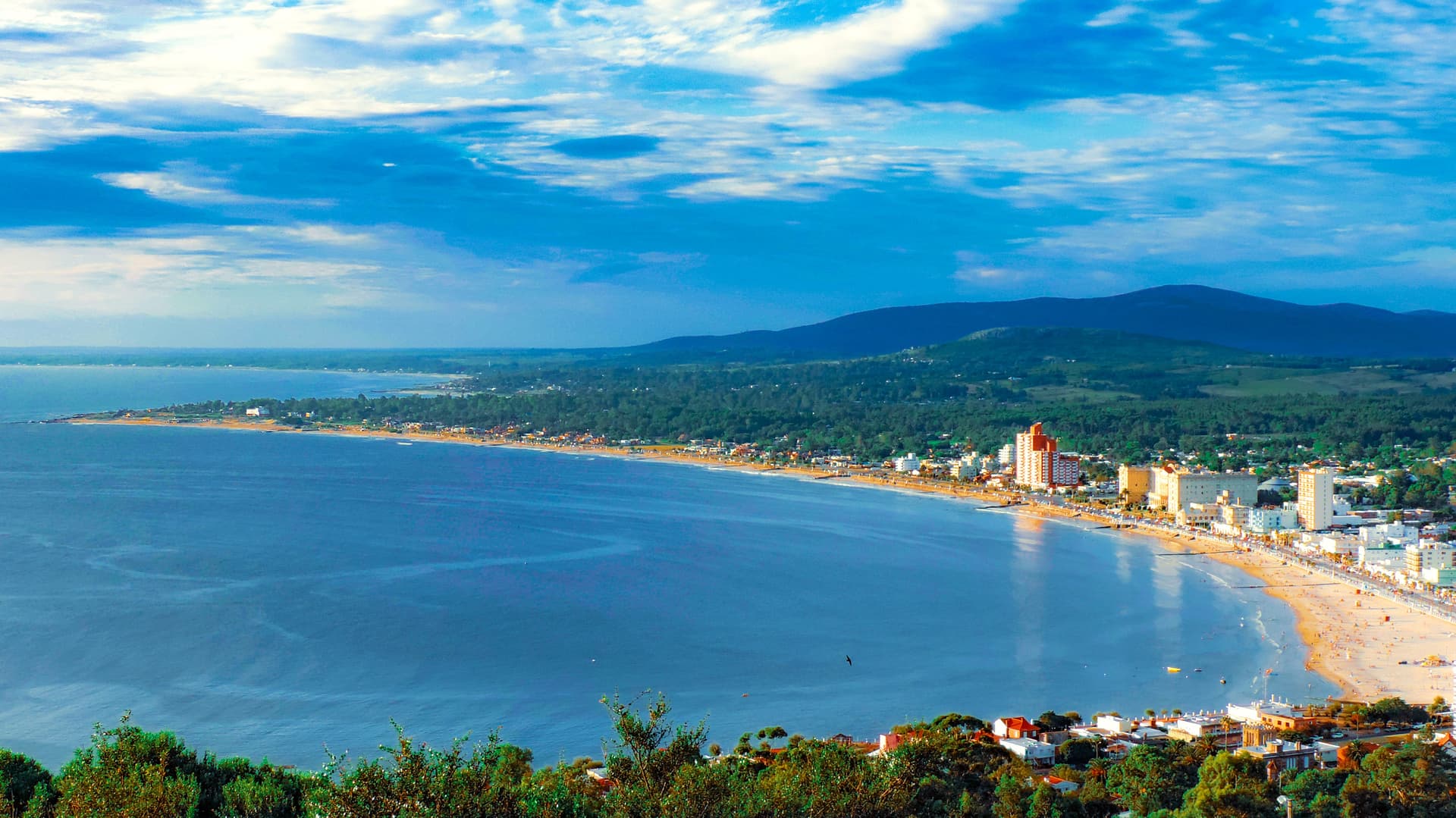
The Maldonado department stretches along Uruguay's Atlantic coast, east of Montevideo. It encompasses Punta del Este, the city of Maldonado, Gorriti Island and beach villages such as José Ignacio. A land of contrasts between wild beaches, estancias and vibrant nightlife, it concentrates the country's premium tourism while preserving remarkable natural spaces.
Practical information at a glance
- Access from Montevideo: approximately 130 km via Ruta 1 then Ruta Interbalnearia; regular buses from Tres Cruces terminal.
- Best time to visit: December to March for beaches; April-May for quieter tourism and reduced prices.
- Recommended duration: 3 to 7 days depending on chosen activities.
- Currency: Uruguayan peso; bank cards widely accepted in Punta del Este.
What to see there
The department offers a varied palette: the urban beaches of Punta del Este (Playa Mansa on the Río de la Plata side, Playa Brava on the Atlantic side), the colonial streets of Maldonado city with its cathedral and 18th-century cabildo, and the dunes and lagoon landscapes towards José Ignacio. The sculpture La Mano (Monument to the Drowned) on Playa Brava is the region's iconic image.
History and context
Founded in 1755 by the Spanish to counter Portuguese expansion, Maldonado was long a garrison town. Its port served as a base for expeditions to the Banda Oriental. Punta del Este, a simple spit of land at the time, only developed as a beach resort in the early twentieth century, gradually attracting Argentine and international clientele.
Highlights of the visit
Punta del Este and its beaches
The Punta del Este peninsula separates the calm waters of the Río de la Plata from Atlantic waves. Playa Mansa suits families; Playa Brava attracts surfers. The marina concentrates luxury restaurants and boutiques.
The city of Maldonado
A few kilometres from Punta del Este, the city of Maldonado retains its authentic character. The San Fernando Cathedral, the colonial cabildo and Santa Teresa fortress (in the neighbouring Rocha department, at the border) bear witness to the region's Spanish heritage.
Gorriti Island
Accessible by boat from Punta del Este's port, Gorriti Island harbours ruins of colonial fortifications and tranquil beaches. It makes for an appreciated half-day excursion.
José Ignacio
A fishing village turned exclusive high-end destination, José Ignacio seduces with its lighthouse, uncrowded beaches outside season and quality gastronomy. The atmosphere is deliberately understated and preserved.
Casapueblo
At Punta Ballena, artist Carlos Páez Vilaró's villa-museum features organic white architecture built into a clifftop. It houses his works and offers panoramic Atlantic views at sunset.
Photography tips
Sunset from Casapueblo or the José Ignacio lighthouse yields warm light on the ocean. The La Mano sculpture photographs best early morning to avoid summer crowds. Maldonado city's streets are more photogenic in the raking light of late afternoon.
Location and access
Maldonado lies approximately 130 km east of Montevideo. Frequent buses connect the two cities from Tres Cruces terminal. By car, Ruta Interbalnearia hugs the coast and serves the main resorts. An international airport sits at Laguna del Sauce, about twenty kilometres from Punta del Este, with seasonal direct flights from Buenos Aires and other regional destinations.
Nearby areas
- Punta del Este — international beach resort at the heart of the department, minutes from Maldonado city.
- José Ignacio — preserved fishing village, approximately 35 km east of Punta del Este.
- Casapueblo — Carlos Páez Vilaró's villa-museum at Punta Ballena, about fifteen kilometres west of Punta del Este.
- Gorriti Island — island accessible by boat from Punta del Este's port, ideal for a half-day escape.
- Rocha Department — neighbour to the east, with wild beaches and Rocha lagoon.
Frequently asked questions
December to March corresponds to the southern summer: animated beaches, high temperatures, but crowds and peak prices. April-May offers a pleasant compromise: still-warm sea, fewer crowds and cheaper accommodation.
A rental vehicle eases access to José Ignacio, Casapueblo and isolated beaches. Between Maldonado and Punta del Este, local buses and taxis suffice. Out of season, links to coastal villages are less frequent.
Yes. The distance of approximately 130 km is covered in two hours by bus or car. Many travellers spend two to three days in Montevideo then head to Maldonado for the rest of their stay.
Playa Mansa, on the Río de la Plata side, is calm and shallow: ideal for children. Playa Brava, on the Atlantic side, features stronger waves and suits adults and surfers better.
Water taxis depart regularly from Punta del Este's port in the summer season. The crossing is brief. Out of season, the service may be reduced or suspended: check on site.
No strict rules for the region's tourist sites. To visit Maldonado Cathedral, neat attire is expected, as in any place of worship.