The Legendary Centenario Stadium of Montevideo
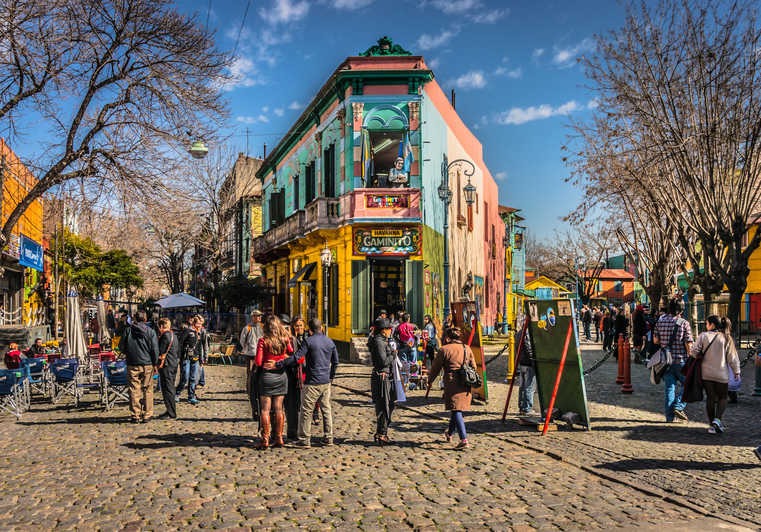
Montevideo, the capital of Uruguay, is nicknamed the little sister of Buenos Aires.
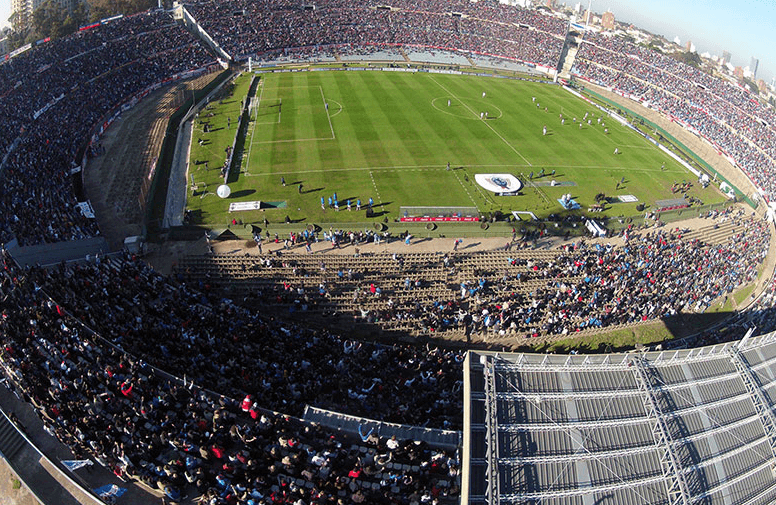
Montevideo, the capital of Uruguay, is nicknamed the little sister of Buenos Aires. The two cities are simply separated by the Rio de la Plata gulf, a stretch of the Atlantic Ocean that cuts between Uruguay and Argentina. Montevideo is renowned as the South American city with the highest quality of life, and is even among the 30 safest cities in the world. Yet something captivates crowds and sparks South American passion, as it does across much of the continent. Football. Though entirely distinct, Montevideo's football history is nearly as rich as that of its neighboring sister Buenos Aires. Centenario Stadium, the emblem of football in Uruguay's capital, attracts numerous purist travelers and passionate fans.
Visiting the historic monument of football
Estadio Centenario is the first stadium ever to host a football World Cup. The first in history—the 1930 edition organized in Uruguay, or more precisely in Montevideo, since all matches of the competition took place in this legendary venue. Capable at the time of hosting more than 100,000 spectators, the stadium later underwent renovations, most notably the installation of seated areas replacing standing room. Today it holds 60,000 seats. Visiting it will naturally stir your adrenaline as you contemplate what unfolded there a century ago.
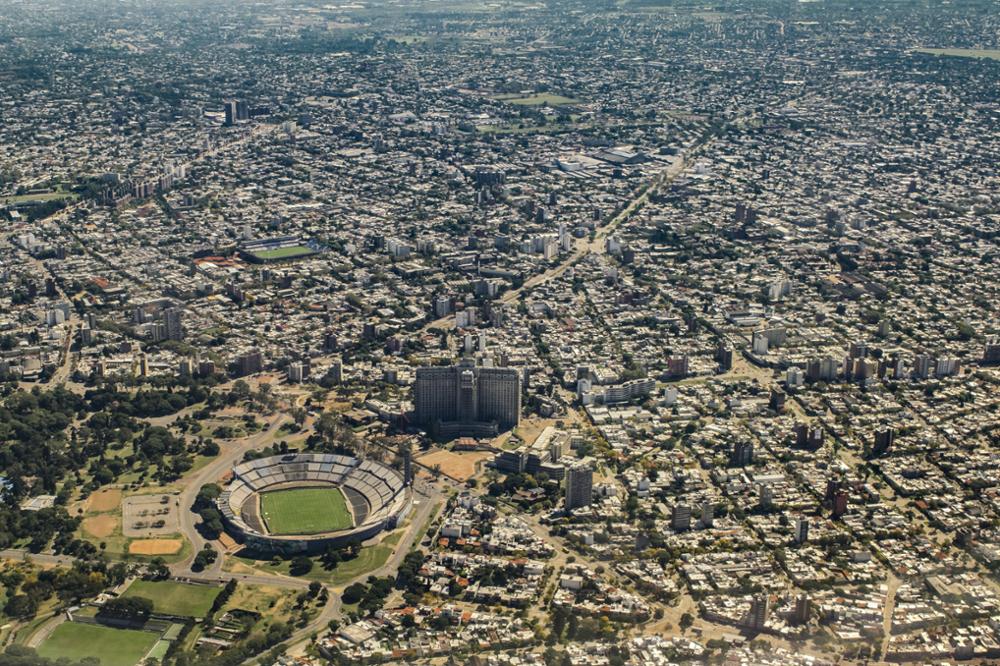
The Centenary Stadium was elevated by FIFA to the rank of historical monument of football. It is, in fact, the only stadium in the entire world to have received this honorary title. Within its walls stands a major museum devoted to the recent history of sport, particularly three key areas: World Cups, Olympic Games, and Uruguay's National Football Team. A legend formed around Montevideo and world football because Uruguay won the first FIFA World Cup in history. The nation would claim a second victory in 1950 at the Maracanã in Rio, against Brazil before 200,000 spectators, in a match that equally left its mark on the history of the sport.
A fraternal final
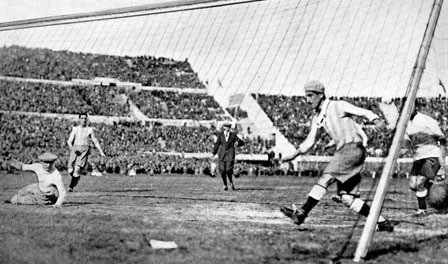
The first World Cup football final, which took place at Estadio Centenario on July 30, 1930, pitted Uruguay against its eternal rival Argentina. The two countries were already strong favorites before the competition, having faced each other frequently in the Olympic Games finals, which at the time were considered the world championship since the World Cup did not yet exist. Each won their semi-final 6-1, against Yugoslavia and the United States respectively.
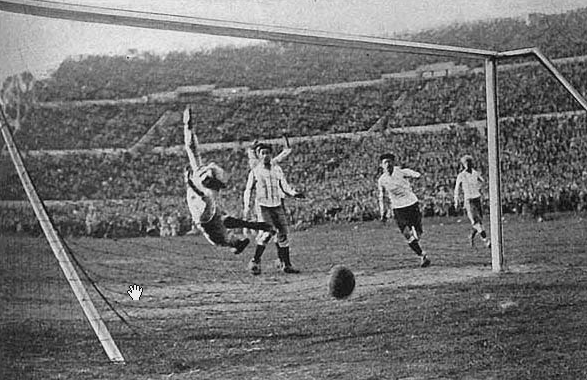
In a match for the ages, Uruguay, trailing 2-1 at halftime at home and coming perilously close to falling behind 3-1 when the crossbar blocked Francisco Varallo's shot, managed to ride the wave of their crowd's fervor and equalize 2-2 in the 57th minute! Then the match swung decisively in their favor and they scored two more goals before the final whistle. The score was 4-2 for Uruguay, the first country ever crowned world champion in the history of football. The trophy was presented to them by Frenchman Jules Rimet.
Frequently asked questions
Centenario Stadium is open for guided tours including museum access. It is located in Batlle Park in Montevideo. It is recommended to check opening hours on the official website or with the local tourism office before your visit.
Centenario Stadium is the only stadium in the world to have received the title of FIFA historical monument of football. It hosted all matches of the first Football World Cup in 1930, organized in Uruguay.
Uruguay won the first Football World Cup on July 30, 1930, defeating Argentina 4-2 in the final at Centenario Stadium. The trophy was presented to them by Frenchman Jules Rimet, founder of the competition.
The museum integrated into Centenario Stadium traces the history of football through three major themes: Football World Cups, Olympic Games, and the history of Uruguay's National Team. It is a must-visit for any football enthusiast.
Following several renovations, including the installation of individual seats, Centenario Stadium now has 60,000 seated places. Originally during the 1930 World Cup, it could accommodate more than 100,000 spectators.