La Paloma
La Paloma
A beach resort along Uruguay's Atlantic coast, La Paloma captivates with its varied beaches, the historic lighthouse at Cabo Santa María and the Laguna de Rocha nature reserve.
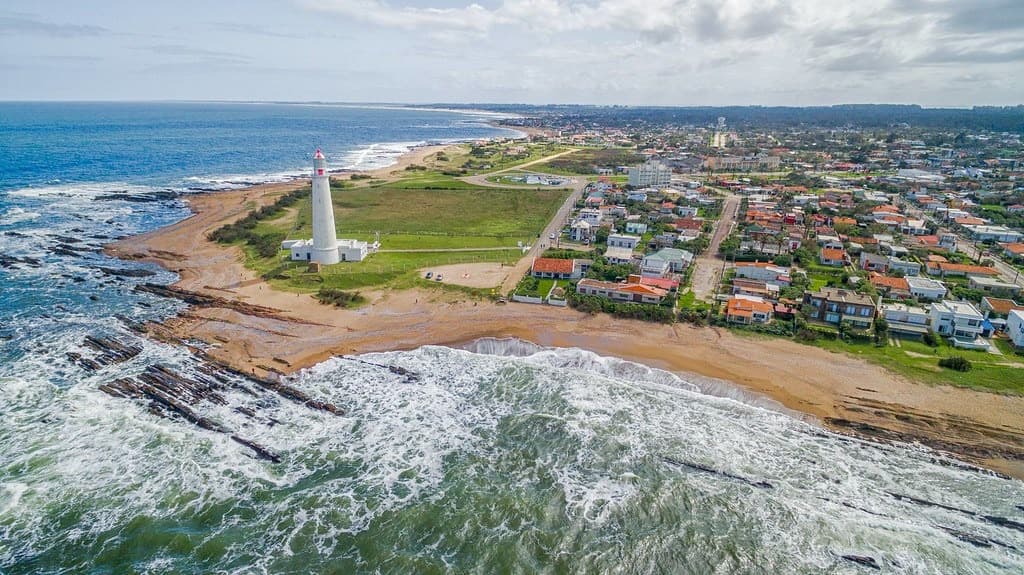
La Paloma is a beach resort that overlooks the Atlantic Ocean on Cape Santa Maria, in the Department of Rocha. It sits 100 kilometres from the celebrated Punta del Este and 240 km from Montevideo, the capital of Uruguay.
This town is remarkably quiet during the low season, home to just 5,000 residents. However, this figure multiplies sixfold during summer when tourists flock in to enjoy its generous beaches. Offering both a bay and a variety of beaches, diverse activities and lively nightlife, La Paloma is a premier destination for travellers. This seaside town appeals to families and young adults alike, as well as water sports enthusiasts.
History
La Paloma was discovered by navigator Juan Diaz de Solís alongside Spanish conquistadors in 1516. They built a fort, dams and settlements there.
The first city of San Salvador was established by the Spanish to facilitate cattle trade, which underpinned the local economy. Subsequently, the Spanish conquered Uruguay much as the Portuguese had conquered Brazil. As a result, the city of Montevideo was founded to serve as the seat of their military in 1726.
By 1777, Uruguay was under Spanish dominance, though the Spanish were later expelled following a revolution in 1811. The English succeeded them after Joseph Bonaparte took the throne of Madrid.
On 27 August 1827, Uruguay gained its independence through a treaty brokered by Brazil and Argentina.
Around 1860, when La Paloma still lacked a lighthouse, the coast experienced numerous shipwrecks.
Eight years later, the "Lisa Amelia," a small vessel from France struck the shore with around a hundred passengers on board, with no survivors. This tragedy marked La Paloma's history and prompted authorities to commission the construction of a lighthouse at Cape Santa Maria.
Following a call for proposals in 1870, construction of the lighthouse was entrusted to the firm Faros del Rio de la Plata & Cia. However, the lighthouse collapsed during completion, a tragedy that reverberated across the continent.
Work resumed nonetheless, and the second lighthouse was inaugurated on 1 September 1874. Since then, it has become a magnet for visitors from around the world keen to discover this celebrated lighthouse that so profoundly marked Uruguay's history.
Later, in 1976, it was recognized as a national historical monument and became an essential site in the Department of Rocha.
Today
La Paloma currently attracts tourists thanks to the singular charm of its beaches. In particular, La Balconada, which is highly favoured by lighthouse visitors for sunset-watching and perpetuating tradition—locals and tourists alike applaud during this eagerly awaited moment for holidaymakers.
Here, the primary activity for locals is fishing, while tourists love riding the waves and observing the passage of southern right whales (from August to November).
La Paloma is highly touristy during the summer season. It thus offers various types of accommodation to suit all budgets: campsites, bungalows, apartments, cabins and even large hotels.
Discovering La Paloma
La Paloma boasts a bay and lovely beaches for every taste, separated by just a few kilometres from one another. They differ in size, wave characteristics, rock formations and ocean depth. While some are suited for kitesurfing, others are ideal for observing different bird species such as flamingos, sunbitterns, clapper rails and more.
- La Balconada: this is the most frequented beach and therefore the liveliest. It's where holidaymakers head after visiting the lighthouse.
- La Pedrera: the ideal spot for surfing and windsurfing
- El Cabito: the favourite of children for its tranquil setting
Don't hesitate to explore the other beaches of La Paloma such as Bahia Grande, Bahia Chica, Los Botes and La Aguada, among others. Each has particular merits to charm you, whether for sunbathing, swimming, water sports or simply soaking in the scenery and sunset.
In the centre, the new town laid out around the historic core has everything to satisfy tourists. Indeed, the downtown area features shops and stores, restaurants, accommodation facilities, bars and even a casino—plenty to enliven your evenings!
The town also features an artisanal market. Fans of cinema are invited to visit the town's cinema.
Both sides of Avenida Solari are lined with luxurious, contemporary buildings frequented by affluent tourists.
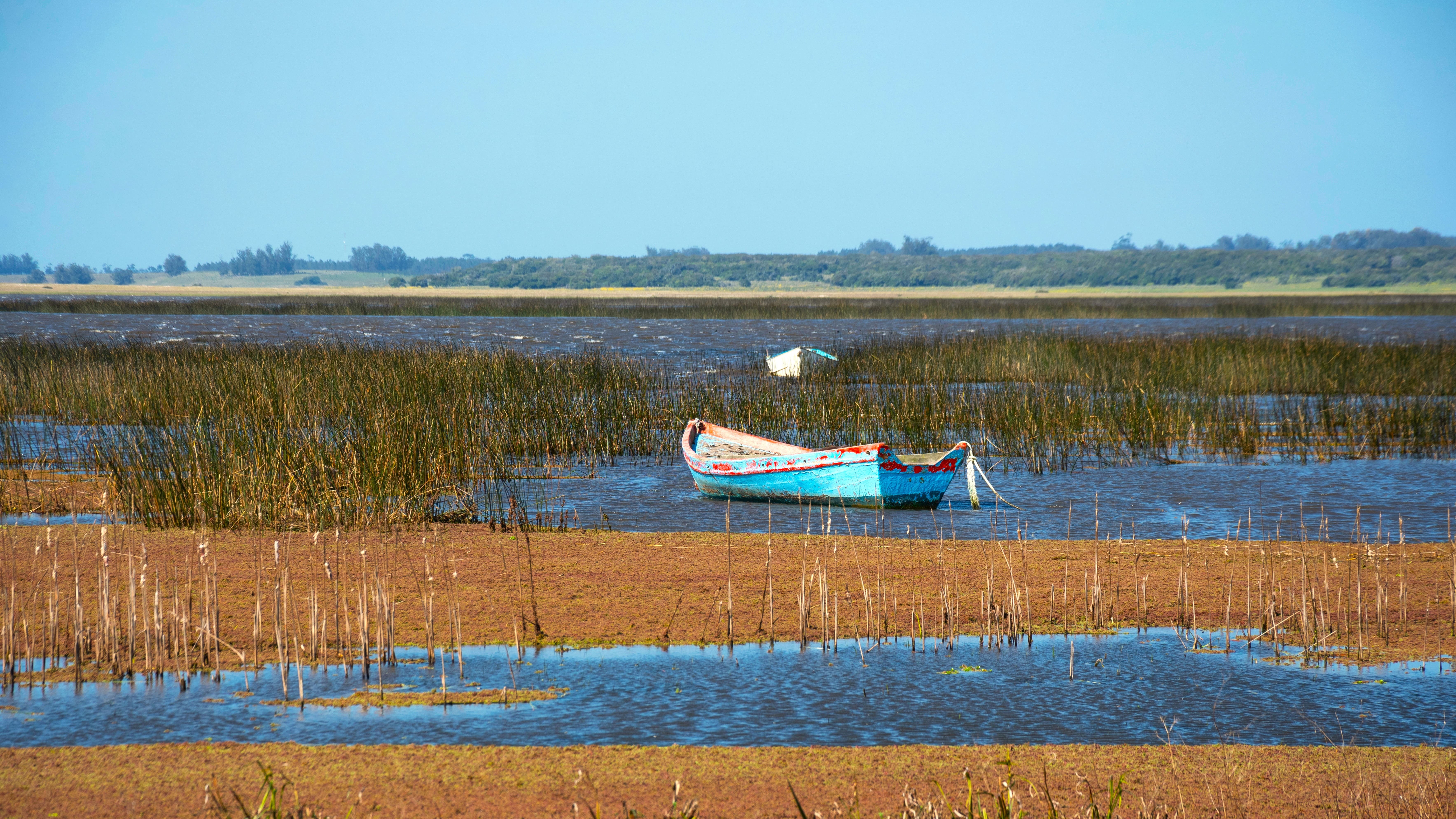
If you continue westward, you'll reach Laguna de Rocha. Teeming with fish, molluscs and shrimp, this spot is a true paradise for birds. Nature lovers will have the privilege of watching them feed and observing, among others: black-necked swans, Olrog's gulls, Chilean flamingos. Blessed with lush nature, this protected reserve is even frequented by giant otters, tuco-tucos, foxes and more.
Climate
La Paloma's climate is warm, humid and without a dry season. Rain is present nearly year-round, with average annual precipitation of 1,099.9 mm. Furthermore, the average temperature throughout the year is 16.4°C.
To enjoy sunny weather, the best time to visit La Paloma is from November to April, during the southern hemisphere summer. The months most suitable for swimming are between December and February, when average temperatures reach 27°C.
Note that December is the driest month, with average precipitation of 71 mm. However, in March, the wettest month, precipitation can reach nearly 112.4 mm. Finally, July is the coolest month with an average of 10.5°C.
The bus is the only transport option to reach La Paloma from Montevideo in Uruguay. Alternatively, you can drive the 224 kilometres, which takes approximately three hours.
From Buenos Aires, however, several means of reaching La Paloma are available:
- by plane: you can take a flight from Jorge Newbery Aeropark to Montevideo, then take the bus or drive to La Paloma.
- by river shuttle: from Avenida Córdoba or Puerto Madero, you can take a river shuttle to Montevideo and complete the journey by car or bus.
- by ferry: ferries to Montevideo are available from Puerto Madero. The route to La Paloma continues by bus or car.
Want to discover this destination?
Our local advisors design your tailor-made trip.