Isla de Lobos
Isla de Lobos
Located 8 km from Punta del Este, Isla de Lobos is home to South America's largest colony of sea lions and fur seals. Complete guide to visiting.
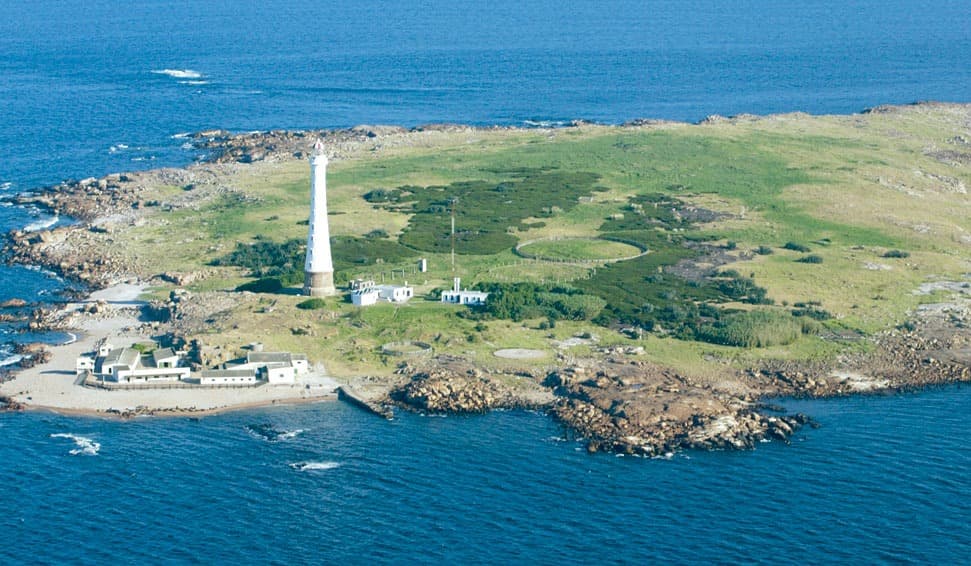
Isla de Lobos is a small island situated 8 kilometers southeast of Punta del Este at the mouth of the vast Rio de Plata estuary, which separates Uruguay from Argentina. A tiny islet also sits just a few meters off the eastern shore of the island. Once exploited for its natural resources and wildlife, Isla de Lobos is now under the protection of the Ministry of Livestock, Agriculture, and Fisheries, which has incorporated this patch of land into the "National Park of Coastal Islands" and elevated it to the status of nature reserve. Due to its geographical position, this small island, measuring approximately 400 meters wide by 600 meters long, attracted the attention of numerous European navigators and explorers.
History
Three explorers who frequently navigated together and worked hand in hand provided the world's libraries with documentation about this island in the 17th century.
Isla de Lobos was first documented by Spanish navigator Juan Díaz de Solís in October 1515, more than 300 years before Uruguay's independence. A few months before his death (January 20, 1516) and at the age of 45, the explorer took great interest in naming this island that welcomed sailors to the Rio de Plata estuary, then unknown to the Western world. He named it "San Sebastian de Cádiz", a name that would be adopted 200 years later by the famous castle on the Cadiz peninsula in Spain.
In 1527, it was Venetian navigator Sebastian Cabot who, accompanied by a fleet of more than 150 men, sailed up the Rio de Plata to study it and stopped at Isla de Lobos.
The following year, his friend and colleague Diego García de Moguer also visited and renamed the island: "Island of the Snapper".
Visiting Isla de Lobos
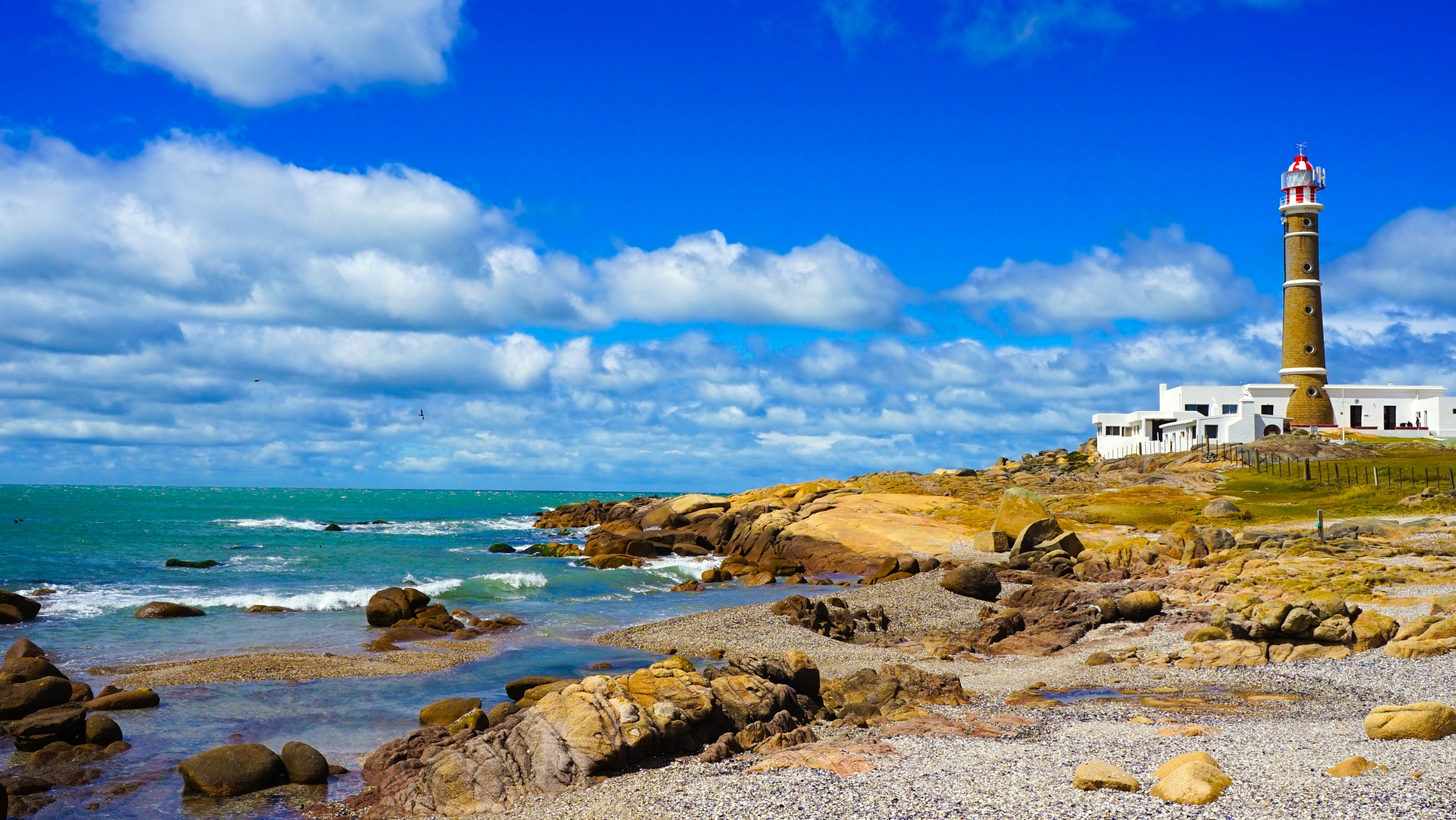
The primary landmark you notice upon arriving on the island is undoubtedly its majestic lighthouse, standing 59 meters tall and clearly visible from the waters off Punta del Este. It was first erected in 1858 by the Uruguayan government, then rebuilt in 1906. It features an exterior terrace accessible after climbing 240 circular steps, where visitors can enjoy panoramic views of the vast marine entrance to the Rio de Plata on one side, and the rest of the island, inhabited by numerous marine mammals, with the Uruguayan coastline visible in the distance on the other. It is famous throughout the country for being in 2001 Uruguay's first automated lighthouse, powered by solar energy.
As a nature reserve today, Isla de Lobos protects within its boundaries numerous wildlife species. Among them are sea lions and fur seals, which belong to the same family called Otariinae. Isla de Lobos is, in fact, the largest colony of these species in all of South America. When you visit, you may also have the chance to spot some majestic elephant seals. The salty sea air upon arrival will prepare you to admire these animal populations. If you wish, you can even take a quick swim among the marine mammals. In the waters near the island, orcas sometimes roam in search of their favorite meal: tuna.
Climate
The sun dominates the beaches and shores of Isla de Lobos between October and March. This is the best period to visit, and particularly between January and February, months when temperatures can reach 30 degrees Celsius. If you prefer cooler weather, come between July and August. During this time of year, temperatures range between 7 and 15 degrees Celsius throughout the day.
Isla de Lobos lies off the beach resort of Punta del Este. Simply head to the pier and board one of the shuttles that depart there daily. The journey to the island takes 45 minutes.
Want to discover this destination?
Our local advisors design your tailor-made trip.