Buenos Aires
Buenos Aires
From San Telmo to Recoleta, the complete guide to Buenos Aires: neighborhoods, tango, asado, climate and tips for a successful stay in Argentina's capital.
Capital of Argentina that thrives to the rhythms of Tango and football passion, Buenos Aires is also a premier tourist destination. Indeed, it is known for its generosity, originality and vibrant atmosphere. Identified as a European city, it is nonetheless deeply exotic—you won't have time to get bored with the multiple activities available across its 48 barrios (neighborhoods).
Considered the third largest city in Latin America, Buenos Aires sprawls across 3,800 km² and currently has more than 3 million inhabitants. Simple and sociable, these porteños are highly appreciated by tourists for their zest for life and warm hospitality.
History
Spanish aristocrat and expedition director Pedro de Mendoza y Luján founded the city of Puerto de Nuestra Señora Santa Maria del Buen Aire (the former name of Buenos Aires) in 1536.
Following the crisis caused by indigenous peoples, the city's founder departed in 1537 and died on his return voyage at sea. Other members of his colony then moved further north to found the current capital of Paraguay: Asunción.
The city founded by Mendoza became a secondary settlement in 1580 when new colonists led by Juan de Garay decided to repopulate it. It became conducive to smugglers over the following two centuries because of Spanish trade restrictions.
Suddenly, it gained great importance in 1776, when Spain designated it the capital of Rio de la Plata, a famous vice-royalty. Indeed, the British invaded around 1806 but quickly withdrew in the face of colonial resistance.
Power struggles succeeded one another for decades before the locality was granted the status of Buenos Aires Federal Territory and capital of Argentina in 1880. Separated from the province of the same name, Argentines know it as the Federal Capital.
Today
Buenos Aires is home today to many neighborhoods attractive for their activities and vibrant spirit. Like the canals of Tigre and Palermo Park, some are designed for relaxation while others will immerse you in Argentine football and Tango.
For a unique culinary experience, the city has adopted in recent years an innovative restaurant concept called "puerta cerrada." These are homes secretly converted into restaurants, with the address revealed only on the day itself.
Often abundant in meat, Argentine cuisine is rich in protein. However, it is also highly appreciated for its subtle desserts that delight the palate.
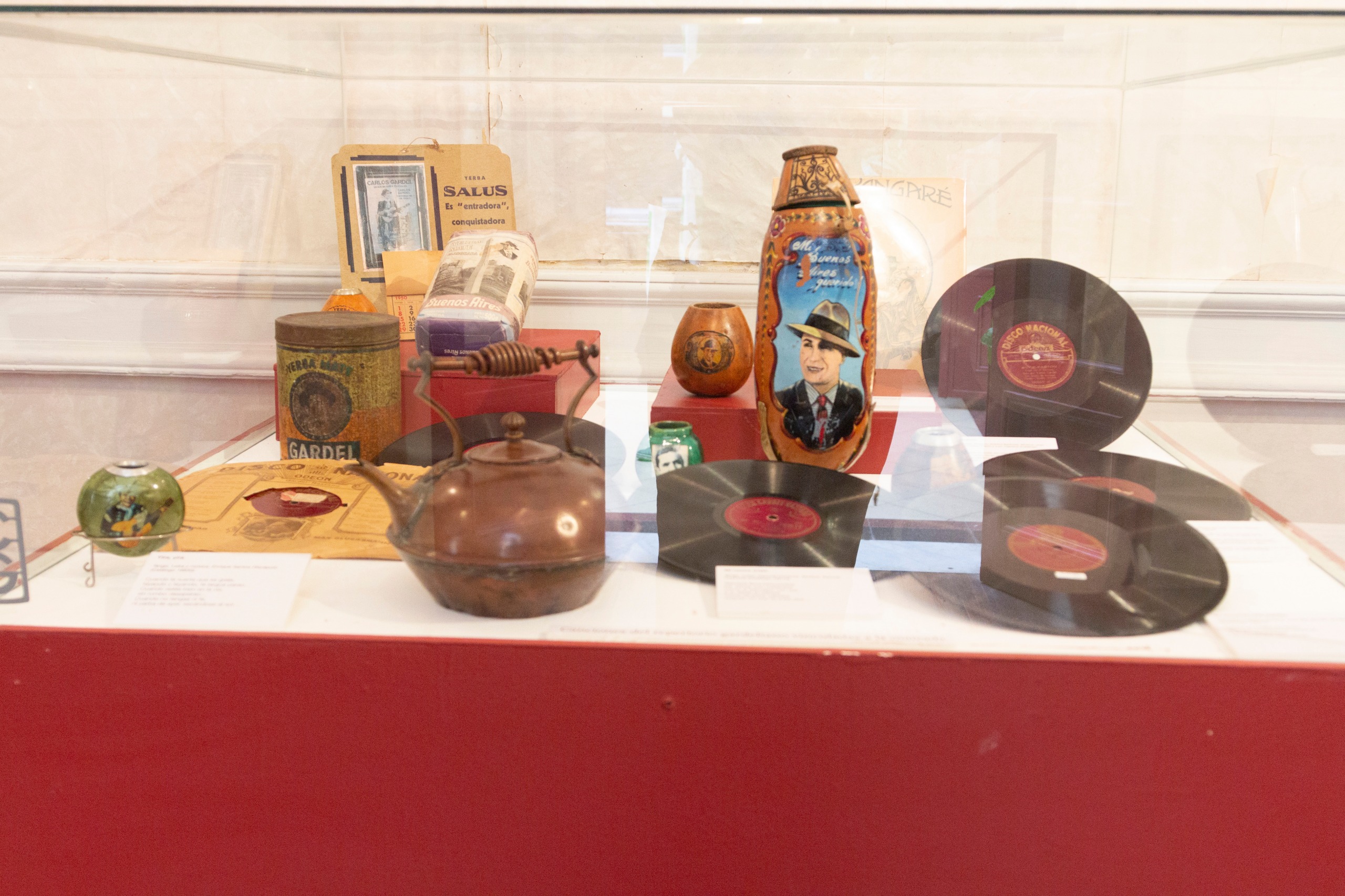
Filete Porteño, a painting technique unique to Buenos Aires, has made the city renowned today. Moreover, it was recognized as intangible cultural heritage of humanity by UNESCO in 2015.
Neighborhoods to Discover in Buenos Aires
Palermo
Absolutely worth visiting during your stay in Buenos Aires, Palermo is the largest and most "in" neighborhood in the city. Filled with numerous restaurants, a wide choice of accommodations, several bars and pubs, clubs and even major designer boutiques, Palermo is one of the best tourist destinations in the city. If you get the chance, also visit the Botanical Garden in the neighborhood, which houses thousands of plant species, and Palermo Park, known for its forest and lakes.
What to do in Palermo?
It is in this neighborhood that Buenos Aires Fashion Tour takes place.
Here, you can experience vibrant nightlife and the finest Argentine culinary experience.
It is also here that you will taste fine wine from the celebrated wine bar Lo de Joaquin Alberdi.
San Telmo
It is one of the old neighborhoods but also one of the most distinguished in Buenos Aires. It is full of important monuments such as museums, old churches, and antique shops. Tourists love visiting for its bohemian atmosphere. The best attraction in this neighborhood is La Plaza Dorrego, famous for its colonial architecture and exhibition of local artwork.
What to do in San Telmo?
Dine to the rhythm of Tango in the famous old warehouse El viejo Almacen and stroll around, as this antique dealer neighborhood hosts the Fashion Tour Vintage Experience.
La Boca
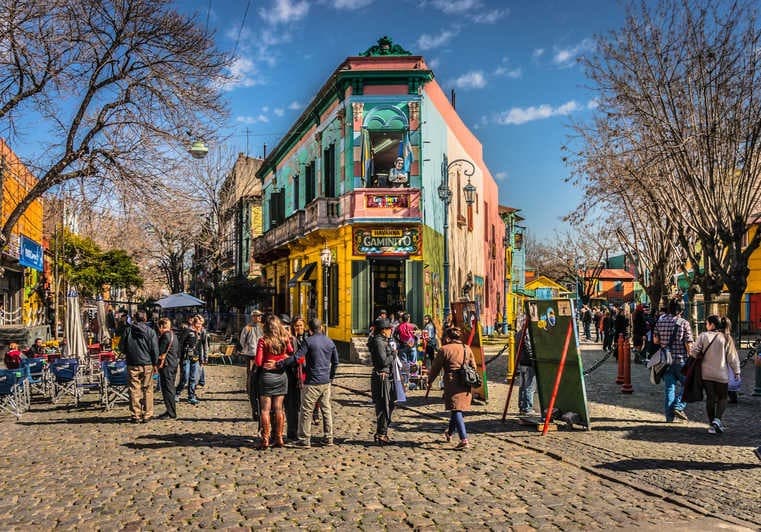
Bordered by galleries and multicolored houses, this neighborhood has Italian origins and still preserves Tango tradition and football passion. It is both a cultural and tourist neighborhood. You can visit the Tango Museum Caminito and Boca Junior stadium, also called La Bombonera.
What to do in La Boca?
Walking through this colorful city is truly enjoyable. It will allow you to see art galleries and trendy boutiques. It will also be ideal for discovering the Quinquela Martin Museum which is dedicated to the fine arts of La Boca.
Puerto Madero
This riverside neighborhood is very elegant and contemporary with its glass skyscrapers. You can see upscale restaurants usually frequented by affluent tourists and wealthy locals. It is currently the most important business district in Buenos Aires.
What to do in Puerto Madero?
Spend an invigorating evening at a dinner show at Madero Tango.
Enjoy a panoramic boat tour on the Rio de la Plata river or a bike tour to see the Puente de la Mujer (or "the Women's Bridge"), which is the Puerto Madero emblem.
The ecological reserve is also lovely for admiring nature and strolling to the river.
Plaza de Mayo
This neighborhood has held political significance since Argentine independence. Currently, it is home to the presidential residence Casa Rosada and other interesting buildings such as the Metropolitan Cathedral of Buenos Aires.
What to do at Plaza de Mayo?
There are many monuments to discover in this neighborhood; it is therefore preferable to take the tour bus to make the rounds.
Belgrano
It is a chic, quiet, and commercial neighborhood. Here, nature is very present around the many shops that line Avenida Cabildo. When you visit this neighborhood, don't forget to see Plaza Belgrano, which is the central square and gathering place for artists.
What to do in Belgrano?
Football enthusiasts will find what they're looking for in this neighborhood by attending a match on the River Plate Football Tour. A unique experience!
Moreover, a bike tour will be just as pleasant as a tour bus ride.
Tigre
This charming neighborhood is set back 28 kilometers north of Buenos Aires. Located along the banks of the Paraná Delta, it is appreciated by both tourists and porteños. Coming here, you can take a tour of the delta islands by boat or stroll through the theme park Parque de la Costa.
What to do in Tigre?
Take a tour of the delta islands.
Visit the port and fruit market to find handicrafts, spices, and more.
Mataderos
Discover Argentine folklore in this unique and vibrant neighborhood south of the city: traditions and traditional food, music, craftsmanship, local specialties, and more. Indeed, this popular neighborhood is home to the Feria de Mataderos, a market held every Sunday that brings together singers, dancers, gauchos and various activities in the midst of an essentially Argentine audience. It is the perfect place to mingle with locals and discover porteños in their traditional clothing.
What to do in Mataderos?
Discover gaucho traditions and culture.
Taste regional specialties and dance with locals to traditional music.
Climate
Buenos Aires has a humid and warm subtropical climate, characterized by the absence of a dry season. Rainfall is therefore significant with an average annual precipitation of 916.9 mm. Regarding temperature, it averages 17.9°C throughout the year.
The best time to visit Buenos Aires is between November and May. It is warm and these months are conducive to swimming.
Capital of a Spanish-speaking country visited by nearly 2 million tourists in 2018, Buenos Aires is a highly sought-after tourist destination in South America. If the Argentine metropolis is so frequently visited by foreigners, it is because it is easily accessible, whether from Europe or the Americas. Indeed, it is served by both airlines and land transportation. It is even accessible by waterway from Uruguay, departing from Montevideo or Colonia.
- Air travel: thanks to direct international flights, air is the best solution for getting to Buenos Aires from major South American cities, North America or Europe. Unlike domestic flights that land at Aeroparque Jorge Newbery, most of them stop at Ministro Pistarini International Airport, located 35 km south of the city;
- Train: a few trains coming from Córdoba, Bahía Blanca, Mar Del Plata, Tandil and Rosario stop in Buenos Aires. However, they are infrequent and advance reservation is needed to ensure you have a seat.
- Bus: different bus lines are available from the five countries that share a border with Argentina.
Comfortable and practical, tour buses will take you to the main attractions in the city without worrying about directions. One thing is certain, you won't miss any information about the sites as these tour buses are equipped with audio guides available in multiple languages.
The metro has seven lines to get you from one point to another and facilitate sightseeing.
Car rental is not the best option because of poor road traffic. However, you can rent bikes to ride peacefully on the cycling paths.
Taxis are plentiful in the city. Drivers are willing to pick you up when you see the vacant sign. On the other hand, Uber is available between 10 p.m. and 6 a.m., offering lower fares than night taxis.
Given the city's size, it is not highly recommended to visit on foot unless you have good walking shoes.
Finally, the most used transport by porteños is the colectivos. These urban buses run throughout the city day and night, and their fare varies depending on the distance.
Want to discover this destination?
Our local advisors design your tailor-made trip.