Carmelo
Carmelo
Uruguay's wine capital just 2 hours from Buenos Aires, Carmelo blends tannat bodegas, colonial port charm and peaceful riverside living along the Río de la Plata.
Known primarily for its vineyards, Carmelo stands among the must-see destinations on any Uruguay itinerary. This charming small town is located in Colonia Department, in the eastern part of the country. It sits on Route 21, which connects Nueva Palmira to the northwest and Colonia del Sacramento to the southeast. Carmelo is increasingly drawing travelers with its picturesque landscapes, viticulture, and unhurried, peaceful atmosphere.
The History of Carmelo
During the 15th-century Spanish conquest, the Fuerte de San Lázaro was built in early 1527 near the mouth of Arroyo de las Vacas. The settlement was established under the command of Sebastián Caboto, leader of a Spanish expedition. San Lázaro was abandoned for two years but repopulated from 1529 through the mid-1530s.
In 1611, Hernando Arias de Saavedra, a hidalgo and governor of Asunción, landed livestock near the mouth of Arroyo de las Vacas. A populated settlement was established there, and the locality received the title of "Pueblo" (village) before the country's independence.
José Gervasio founded the modern city on February 12, 1816. It was elevated to the status of "Ciudad" or city on August 17, 1920 under Law No. 7,257. It remains the only city founded by this national hero.
Carmelo Today
Carmelo now boasts numerous modern amenities. The city has two main squares: Plaza Artigas, which features monuments commemorating Carmelo's founding, the historic Templo del Carmen church, and the city museum. The second plaza, located more centrally, serves as the commercial heart. A commercial street runs south to a bridge, where it becomes Route 21, branching toward multiple destinations.
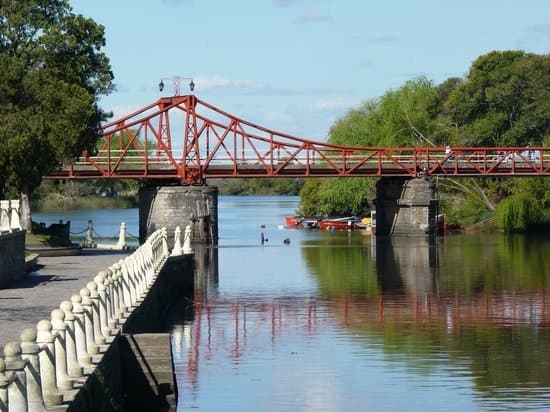
The Arroyo de las Vacas river, which borders Carmelo's eastern and southern edges, serves as the city's port. Its northern bank is home to the Puerto Carmelo-Tigre, with small catamaran ferries transporting passengers from the Río de la Plata in Argentina. The Puente Giratorio de Carmelo spans the river—a rotating bridge operational since May 1, 1912. It connects the city's northern section with a southern area where a port accommodates private boats and the Yacht Club Carmelo. Along this shoreline lies Playa Sére. A park, small zoo, and hotel-casino complete the landscape.
What to Do in Carmelo?
Begin your Carmelo exploration at the historic center on Plaza Artigas. The Carmen Church ranks among the architectural jewels worth admiring. Continue your visit along the Rambla de los Constituyentes, which runs beside Arroyo de las Vacas river, leading to the iconic swing bridge erected in 1912. This structure stands as one of the city's emblematic monuments. You can also venture into Carmelo's casino, golf course, or small animal park.
With its human-scaled dimensions, Carmelo invites exploration on foot or by bicycle. Wander its charming streets to discover colorful facades. Water sports enthusiasts will enjoy Playa Sére, which offers both recreation and a magnificent setting for relaxation. Many visitors stay until sunset to witness the stunning light over the river.
Among other activities to prioritize, visiting the wine estates in the surrounding area is essential. You'll be invited to taste local wines during your visits.
For gastronomic experiences, head to the main avenue near the Plaza de la Independencia, where you'll find numerous restaurants and pizzerias.
To reach Carmelo by car, drive south from Puerto Madero across the Río de la Plata to Colonia del Sacramento, then take Highway 21 for approximately one hour.
From Buenos Aires' 9 de Julio Avenue, you can catch a bus operated by La Cacciola, which runs daily service with a 2-hour crossing from Tigre to Carmelo.
Want to discover this destination?
Our local advisors design your tailor-made trip.